Knowing how to use vitamin C serum makes the difference between a bottle that brightens your skin and one that turns orange in your cabinet. Vitamin C is a well-studied antioxidant that can help even out tone, support collagen and add a layer of defense against daily environmental stress. But it comes in many forms and strengths, and some versions are fussy about light, air and pH. Here's how to choose one, apply it and keep it working.
Key takeaways
- Vitamin C is an antioxidant that helps brighten dullness, fade dark spots over time and support your sunscreen.
- L-ascorbic acid is the most researched form; derivatives are gentler and more stable but may work more slowly.
- Most people do well with 10–15% L-ascorbic acid, or a lower strength if skin is sensitive.
- Apply it in the morning on clean skin, then moisturizer and sunscreen, and store it away from light and heat.
In this guide
- 01What does vitamin C serum do for your skin?
- 02L-ascorbic acid vs vitamin C derivatives: which form should you choose?
- 03What concentration of vitamin C is best?
- 04How to use vitamin C serum step by step
- 05How do you know if vitamin C serum has oxidized?
- 06Does vitamin C cause irritation, and what can you pair it with?
- 07Frequently asked questions
What does vitamin C serum do for your skin?
Vitamin C serum helps neutralize free radicals from UV exposure and pollution, which can contribute to dullness, uneven tone and early signs of aging. Used consistently, it can make skin look brighter and more even.
Its main benefits fall into a few groups:
- Antioxidant protection: it helps limit the damage caused by daily sun and pollution exposure, especially when worn under sunscreen.
- Brightening: it interferes with excess pigment production, so it can gradually soften dark spots and post-acne marks.
- Collagen support: vitamin C is needed for the skin to make collagen, which is why it often appears in anti-aging routines.
- Overall glow: many people notice a fresher, less dull complexion after a few weeks of steady use.
It's a supporting player, not a miracle. For stubborn pigmentation, it works best alongside daily sunscreen and other proven steps covered in our guide on how to fade dark spots.
L-ascorbic acid vs vitamin C derivatives: which form should you choose?
L-ascorbic acid is the pure, most researched form of vitamin C, but it's also the least stable and can sting sensitive skin. Derivatives are gentler and last longer in the bottle, though they generally need to be converted by the skin and may show results more slowly.
| Form | Stability | Gentleness | Good for |
|---|---|---|---|
| L-ascorbic acid | Low: oxidizes with air, light and heat | Can tingle or sting | Normal, oily or resilient skin wanting the most proven option |
| Sodium ascorbyl phosphate | Good | Gentle | Sensitive or acne-prone skin |
| Magnesium ascorbyl phosphate | Good | Very gentle, hydrating | Dry or sensitive skin |
| Ascorbyl glucoside | Good | Gentle | Beginners and sensitive skin |
| Tetrahexyldecyl ascorbate | Good, oil-soluble | Gentle | Dry skin; often found in oil-based serums |
| Ethyl ascorbic acid | Fairly good | Usually gentle | People who want a middle ground |
Formulas that pair L-ascorbic acid with vitamin E and ferulic acid tend to be more stable, and that combination is well regarded. If your skin is reactive, a derivative is a sensible place to start.
What concentration of vitamin C is best?
For L-ascorbic acid, 10% to 15% is a good range for most people, and 20% is generally considered the upper end of what's useful. Going higher tends to add irritation rather than benefit.
If you're new to vitamin C or have sensitive skin, start with a lower strength (around 5% to 10%) or a derivative. Derivative percentages aren't directly comparable to L-ascorbic acid, so don't judge them by the number alone. Look at the overall formula, the packaging and how your skin responds.
How to use vitamin C serum step by step
Apply vitamin C serum in the morning after cleansing and before moisturizer and sunscreen. That way it can work alongside your SPF during the hours you're exposed to UV and pollution.
Cleanse
Wash with a gentle cleanser and pat your face dry. Applying to dry skin reduces the chance of stinging with L-ascorbic acid.
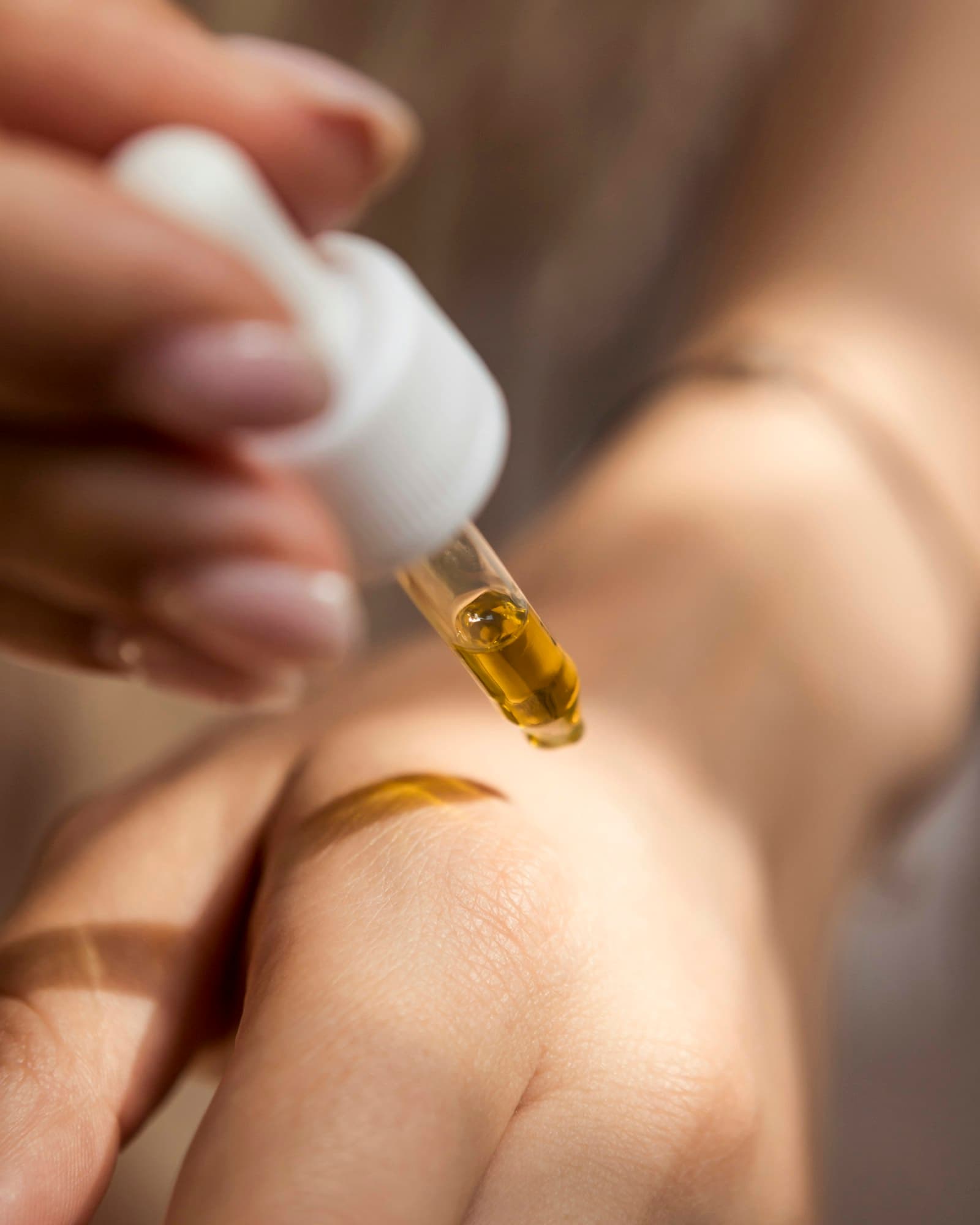
Apply 3 to 5 drops
Dispense a few drops into your palm or directly onto your face and press it over cheeks, forehead, nose, chin and neck. Avoid the eye area unless the product says it's suitable.
Let it absorb
Give it about a minute before the next step so it doesn't pill under your moisturizer.
Moisturize
Follow with a moisturizer suited to your skin type to keep your barrier comfortable.
Finish with sunscreen
Apply a broad-spectrum SPF 30 or higher as your last step. Vitamin C supports sunscreen but never replaces it. See our guide on how to choose a sunscreen if you need one.
Start every other morning for the first week or two, then move to daily use if your skin is calm. If you're unsure where it fits among your other products, check our skincare routine order guide.
How do you know if vitamin C serum has oxidized?
A vitamin C serum that has turned dark yellow, orange or brown has oxidized and is likely less effective. A slight pale yellow tint can be normal for some formulas, but a noticeable color change or a stronger smell is a sign to replace it.
Do
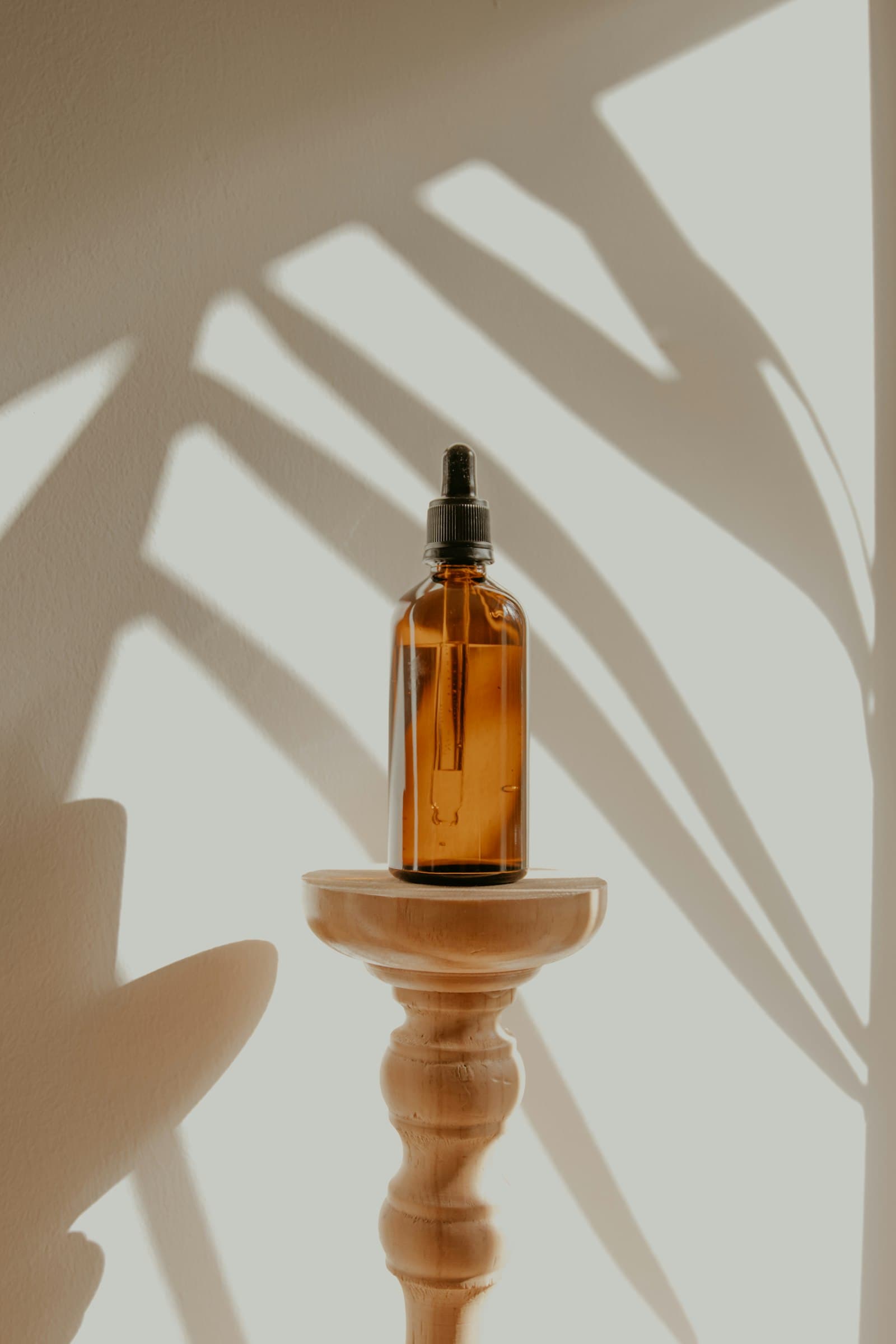
- Buy serums in opaque, amber or airtight pump packaging.
- Keep the cap tightly closed between uses.
- Store it in a cool, dark place, away from a steamy shower.
- Choose a smaller bottle you'll finish within a few months.
- Check the color every few weeks.
Don't
- Leave it on a sunny windowsill or in a hot car.
- Keep using a serum that has turned orange or brown.
- Stock up on several bottles at once.
- Decant it into a clear container.
- Assume a darker color means it's “stronger.”
Some people keep their vitamin C in the fridge to slow oxidation. That's fine as long as the product doesn't advise against it.
Does vitamin C cause irritation, and what can you pair it with?
Mild tingling for a few seconds is common with L-ascorbic acid because of its low pH. Ongoing stinging, redness, itching or breakouts mean the formula or strength isn't right for you.
Vitamin C pairs well with sunscreen, vitamin E, ferulic acid, hyaluronic acid and moisturizers with ceramides. Niacinamide is generally fine too. To be cautious, use retinol and strong AHAs or BHAs at night instead of layering them with vitamin C. Our guide to skincare ingredients you should not mix covers this in more detail.
Saw a glowing morning routine on TikTok and want to know which serum went on first? Paste the video link into SaveAI to see each product and the order it was applied in, then check whether it suits your skin.
Frequently asked questions
Should I use vitamin C in the morning or at night?
Morning is usually recommended because vitamin C's antioxidant effect pairs well with sunscreen during the day. It still works at night, so choose the time you'll stick with.
How long does vitamin C serum take to work?
Many people notice a brighter look within a few weeks. Changes in dark spots usually take two to three months of consistent daily use along with sunscreen.
Can I use vitamin C with niacinamide?
Yes, for most people. Modern formulas of both are generally safe to layer. If you notice flushing or redness, use them at different times of day.
Is it normal for vitamin C serum to tingle?
A brief, mild tingle is common with L-ascorbic acid. Stinging that lasts, redness or itching means you should switch to a lower strength or a gentler derivative.
This guide is for general information only and isn't medical advice. If you have a skin condition or a reaction to a product, talk to a dermatologist.
More guides in Ingredients