Knowing how to choose a sunscreen for your face saves you from a drawer full of tubes you never finish. The best sunscreen is the one that protects well and that you actually enjoy wearing every single day. This guide breaks down the label terms that matter, then helps you match texture and finish to your skin type.
Key takeaways
- Pick a broad-spectrum sunscreen with SPF 30 or higher for daily use.
- Broad spectrum and PA ratings tell you about UVA protection, which SPF alone does not.
- Choose water resistance for sweating or swimming, and remember it lasts 40 or 80 minutes, not all day.
- Texture and finish decide whether you will wear it daily, so match them to your skin type.
In this guide
- 01What should you look for on a sunscreen label?
- 02Do you need a different sunscreen for daily wear and outdoor days?
- 03What do PA ratings mean on sunscreen?
- 04Which sunscreen texture suits your skin type?
- 05How do you avoid a white cast?
- 06How to test a new sunscreen before committing
- 07Saw a sunscreen in a video and want to find it?
- 08Frequently asked questions
What should you look for on a sunscreen label?
Look for three things: “broad spectrum,” SPF 30 or higher, and water resistance if you will be sweating or swimming. These are the baseline the American Academy of Dermatology recommends for everyone.
SPF measures protection mainly against UVB, the rays that cause sunburn. “Broad spectrum” means the product also passed a test for UVA, the longer rays linked to wrinkles, dark spots and skin cancer. A high SPF without broad-spectrum protection leaves a real gap.
| Label term | What it means | What to look for |
|---|---|---|
| SPF | Protection mainly against UVB (burning) rays | 30 or higher for daily use |
| Broad spectrum | Also protects against UVA (aging) rays | Always, on every sunscreen you buy |
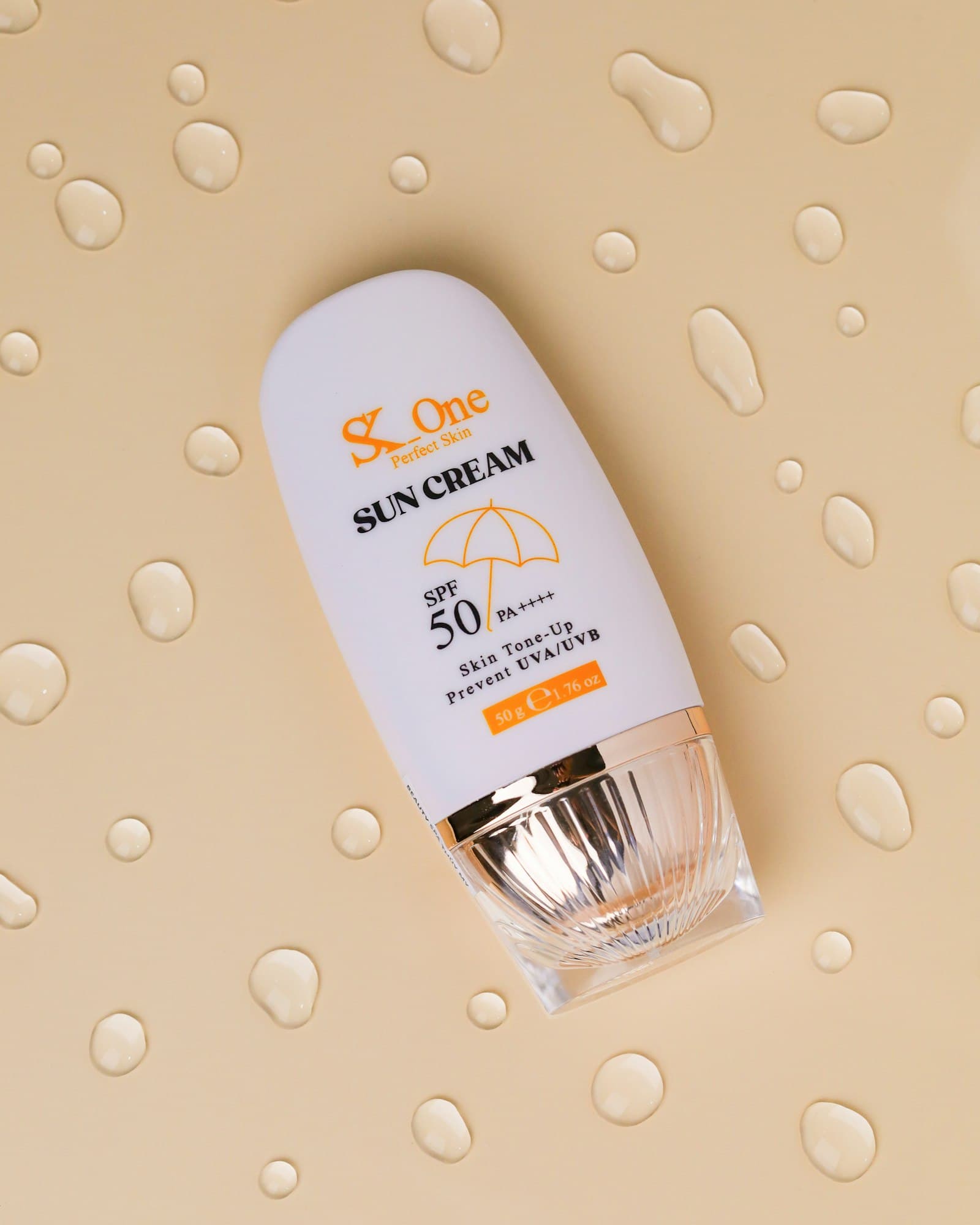
| PA rating | UVA protection grade used in Japan, Korea and other parts of Asia | PA+++ or PA++++ for strong UVA coverage |
| Water resistant (40 or 80 min) | Stays effective while wet or sweating for the stated time | Choose it for workouts, beach and pool days |
Also check the expiration date. Sunscreen filters can lose strength over time, especially if the bottle sits in a hot car or beach bag. If there is no date printed, many products are designed to stay effective for about three years, but toss anything that has changed color, smell or texture.
Do you need a different sunscreen for daily wear and outdoor days?
Many people do best with two sunscreens: a light, elegant one for everyday life and a sturdier one for long days outside. Your needs on a workday at a desk are very different from a hike or a day at the beach.
| Situation | What to choose | Why |
|---|---|---|
| Office, school, errands | Broad-spectrum SPF 30+ lotion, fluid or gel you enjoy wearing | Comfort means you will apply it every morning |
| Sitting near windows or driving | Broad-spectrum SPF 30+ with high UVA protection (PA+++ or higher) | UVA passes through most glass |
| Hiking, sports, gardening | SPF 50, water resistant (80 min) | Long exposure plus sweat |
| Beach or pool | SPF 50, water resistant (80 min), plus hat and shade | Water and sand reflect UV |
Your daily sunscreen should be the last step of your morning skincare, after moisturizer and before makeup. If you are building a routine from scratch, our skincare routine for beginners shows where it fits. Sunscreen is also the best partner for treatments that make skin more sun-sensitive, like retinoids and exfoliating acids.
What do PA ratings mean on sunscreen?
PA ratings grade UVA protection with plus signs, from PA+ (some) to PA++++ (extremely high). You will mostly see them on sunscreens made in Asia. US labels do not use PA, so there you rely on the “broad spectrum” claim instead.
Rules for testing and labeling sunscreen differ between countries, which is why the same product can carry different claims depending on where it is sold. If you buy imported sunscreen online, make sure it comes from a trustworthy seller. Our guide on how to spot fake skincare products covers the warning signs, which matter a lot for a product your health depends on.
Which sunscreen texture suits your skin type?
Match the formula to your skin, and you are far more likely to wear it every day. Not sure what you are working with? Start with how to find your skin type.
- Oily or acne-prone: lightweight gels, fluids or “oil-free” lotions labeled non-comedogenic. A matte or semi-matte finish helps control shine.
- Dry: creamy lotions with hydrating ingredients like glycerin or ceramides. Some can replace your morning moisturizer.
- Sensitive: fragrance-free formulas, often mineral (zinc oxide or titanium dioxide), which tend to be less irritating. See mineral vs chemical sunscreen for the full comparison.
- Combination: a light lotion or fluid usually works. You can use a mattifying formula on the T-zone and a richer one on dry cheeks.
- Mature: hydrating lotions with a dewy finish keep fine lines from looking emphasized.

How do you avoid a white cast?
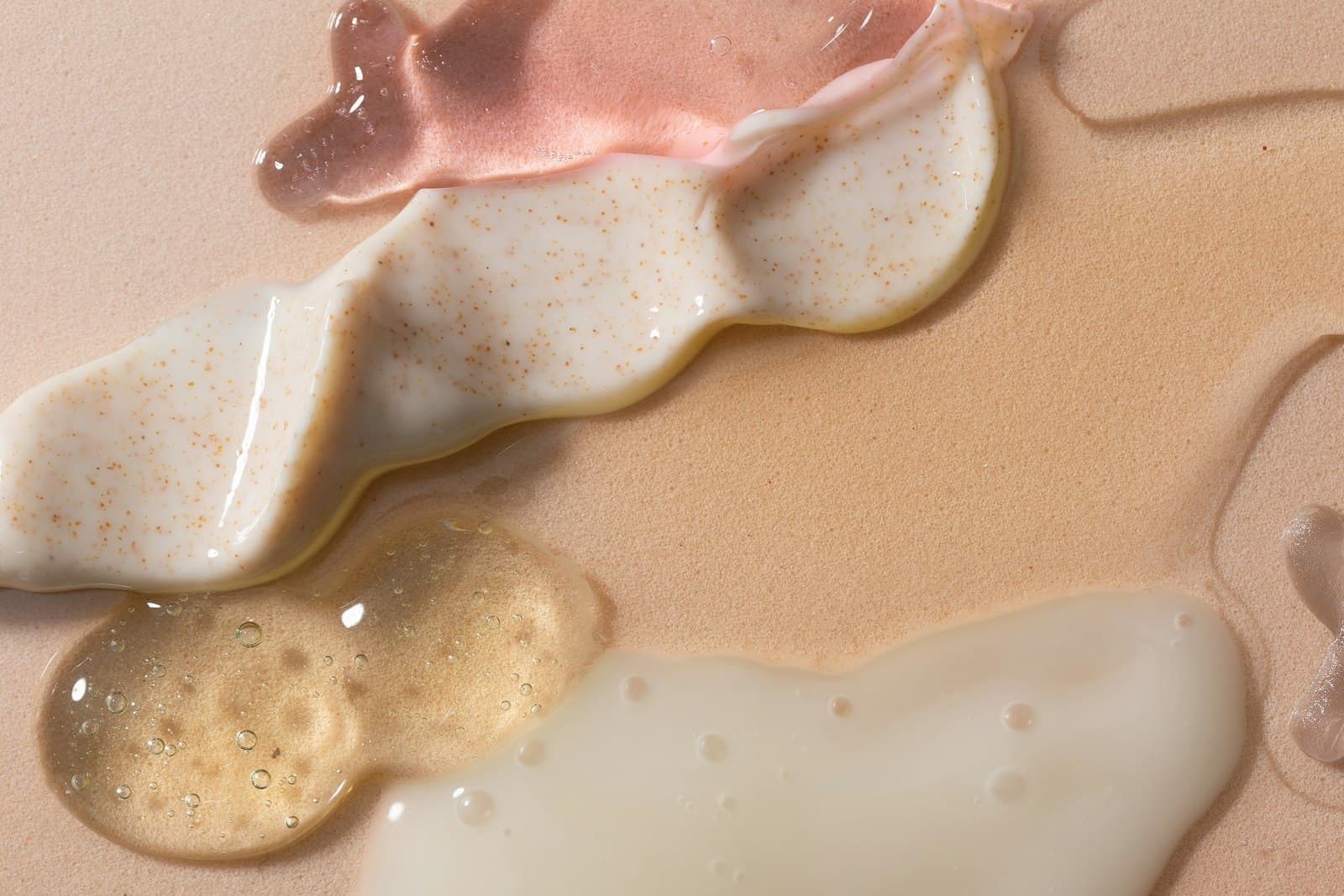
White cast comes mostly from mineral filters, especially in thick, untinted formulas. It shows up more on medium and deep skin tones. You have a few easy options.
- Choose a tinted mineral sunscreen. The iron oxides in tinted formulas blend into the skin and also help block visible light, which can worsen dark spots and melasma.
- Try a chemical (organic filter) sunscreen, which usually goes on clear.
- Look for mineral formulas described as sheer or with micronized particles.
- Apply in two thinner layers instead of one thick one, so it blends more evenly.
Whatever you choose, don't solve white cast by using less product. A thin layer looks better but protects far less than the label promises.
How to test a new sunscreen before committing
A sunscreen can look perfect on paper and still sting, pill or break you out. Give each new one a short trial.
Patch test first
Apply a small amount to your inner arm or along your jawline for a few days. Our guide to patch testing skincare explains exactly how.
Wear it over your routine
Put it on after your usual moisturizer and check whether it pills, feels greasy or stings your eyes.
Try it under makeup
If you wear foundation, see whether the sunscreen stays smooth or separates underneath.
Check it at midday
Look in the mirror after a few hours. Excess shine, flaking or patchiness tells you to try a different texture.
Saw a sunscreen in a video and want to find it?
Creators often show off a sunscreen that seems to disappear on the skin without naming it clearly. If you spot one you like, paste the video link into SaveAI to see which products appear in the TikTok or Instagram video and how they are applied. Then check its label against this checklist before you buy.
Keep in mind that lighting, filters and editing can hide white cast or shine, and a creator's skin type may be very different from yours. A sunscreen that looks invisible on camera is worth trying, but your own patch test and midday mirror check have the final say.

Frequently asked questions
Is SPF 30 enough for your face?
Yes, for most daily use. A broad-spectrum SPF 30 applied generously and reapplied when needed is what dermatologists recommend. Consider SPF 50 for long outdoor days or if you burn easily.
Can I use body sunscreen on my face?
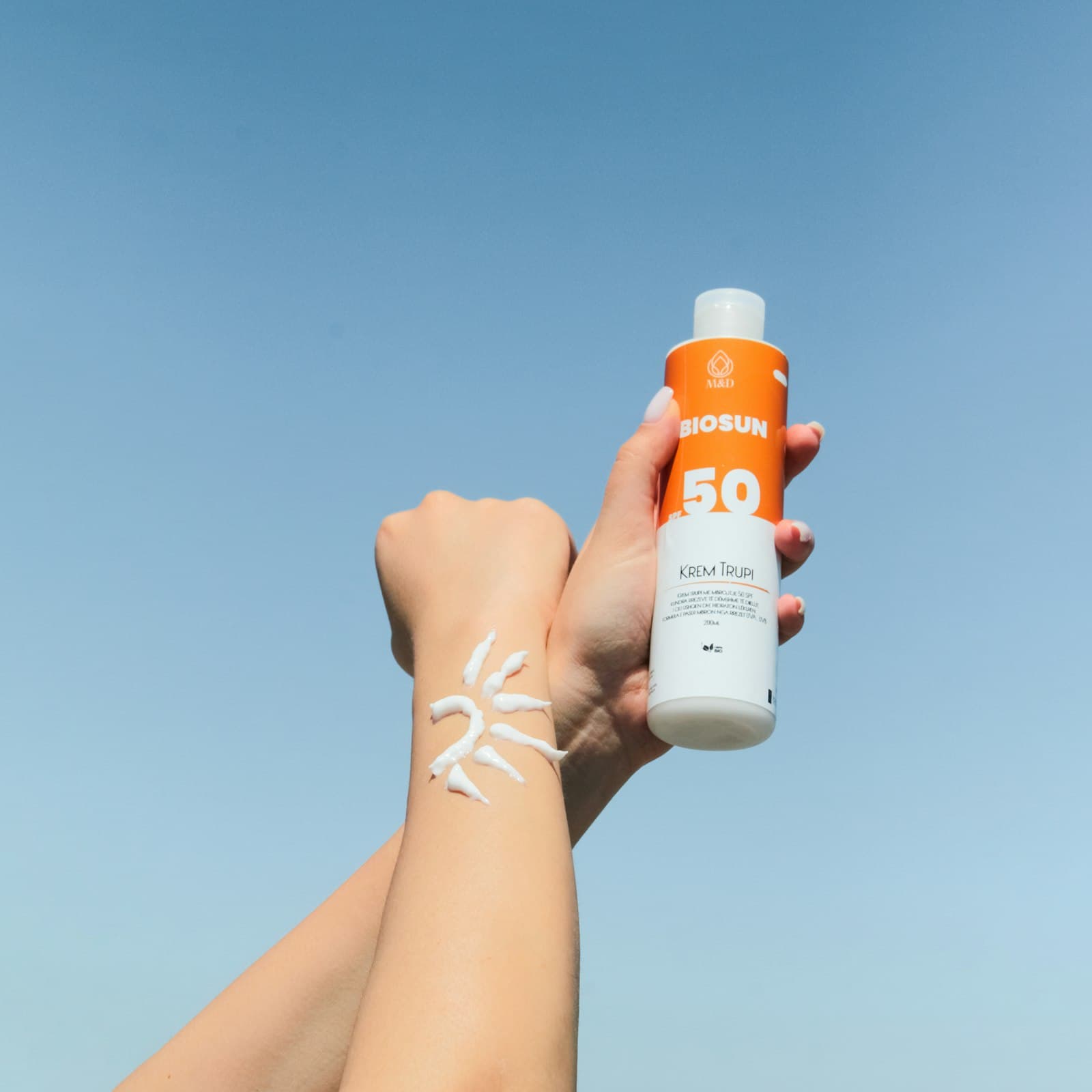
You can, as long as it is broad spectrum and SPF 30 or higher. Facial sunscreens are just formulated to feel lighter and be less likely to clog pores or sting the eyes.
Does moisturizer with SPF count as sunscreen?
It can, if it is broad spectrum, SPF 30 or higher, and you apply a full sunscreen amount. Most people use less moisturizer than that, so a separate sunscreen is often the safer choice.
Do I need water-resistant sunscreen every day?
Not for a normal day indoors or in the office. Choose water resistance when you will sweat or swim, and reapply after the 40 or 80 minutes stated on the label.
This guide is for general information only and isn't medical advice. If you have a skin condition or a reaction to a product, talk to a dermatologist.
More guides in Sun Protection