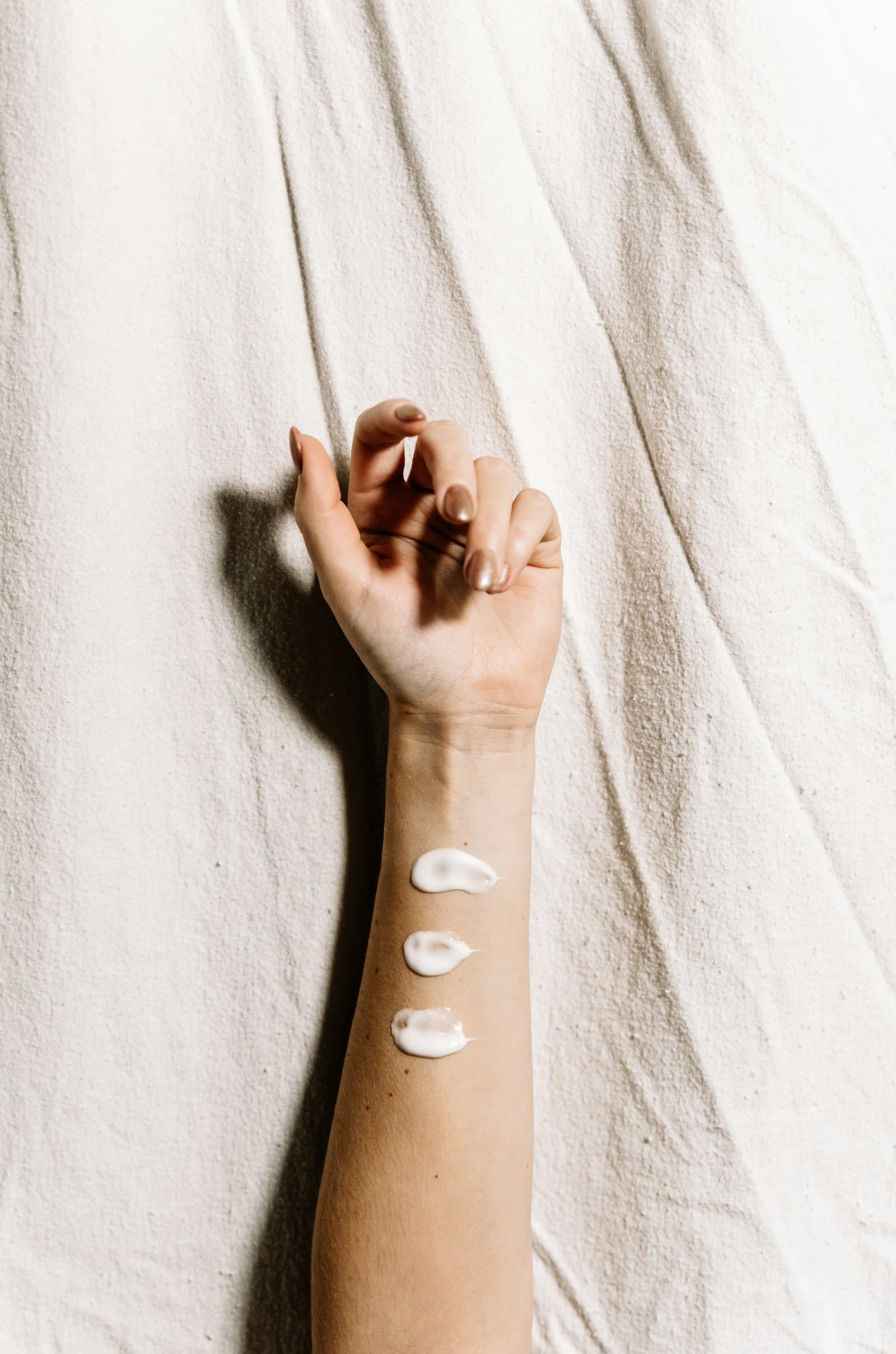
Learning how to patch test skincare takes a few minutes and can save you from a week of red, itchy skin. A patch test lets you try a new product on a small area first, so if your skin reacts, it's a coin-sized problem instead of your whole face. Here's exactly where to test, how long to wait and how to read what your skin tells you.
Key takeaways
- Patch testing means applying a small amount of a new product to a small area before using it all over.
- Test behind the ear, along the jawline or on the inner arm, depending on the product.
- Most people test once or twice daily for several days; reactions can take a couple of days to appear.
- A clear patch test lowers your risk but doesn't guarantee your face won't react.
In this guide
What is a skincare patch test?
A patch test is a small trial of a product on a limited area of skin to check for irritation or an allergic reaction before you use it more widely. It's the at-home version of the more formal patch testing a dermatologist can do to identify specific allergies.
There are two main kinds of reactions it can catch. Irritant reactions happen when a product is simply too strong or harsh for your skin, and they often show up quickly as stinging, redness or dryness. Allergic reactions happen when your immune system reacts to a specific ingredient, such as a fragrance component or preservative, and they can be delayed, itchy and spread beyond where you applied the product.
It's especially worth doing if you have sensitive skin, a history of reactions, eczema or rosacea, or if you're trying a product with strong actives.
Where should you patch test skincare?
The best spot depends on what you're testing. The inner arm is easy to watch but thicker and less sensitive than your face, so a spot closer to your face often gives a more realistic result.
| Location | Best for | Things to know |
|---|---|---|
| Behind the ear | Most face products, especially fragranced ones | Skin is thin and close to facial skin, and it's discreet |
| Side of the jawline or neck | Face serums, moisturizers and actives | A good final check before going all over the face |
| Inner forearm or elbow crease | A first, low-risk test for allergies | Less sensitive than the face, so it may miss mild irritation |
| A small area of the face | Acne treatments and actives meant for the face | Pick a spot like the side of the cheek, not around the eyes |
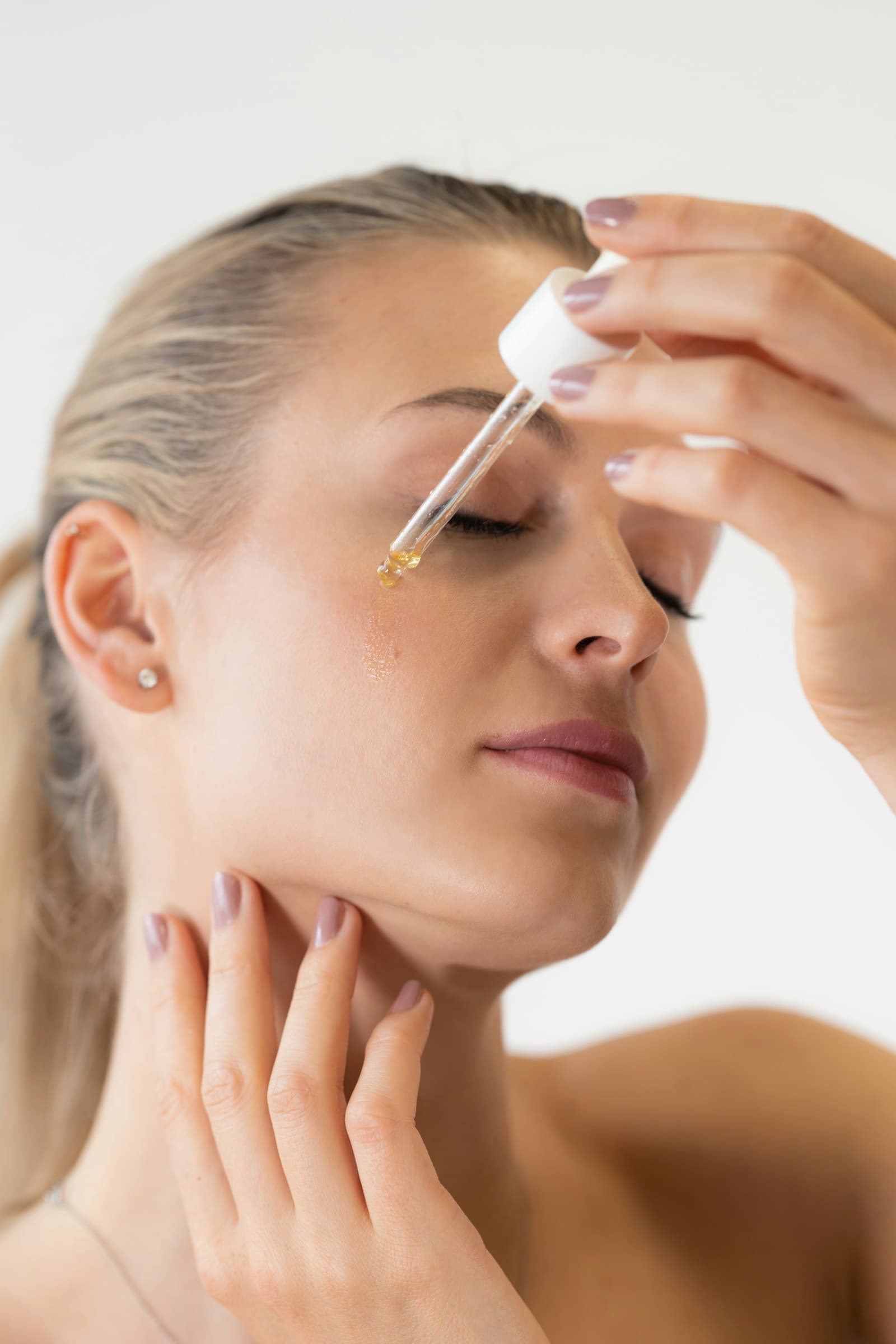
How to patch test a new product, step by step
Start with clean, calm skin
Pick an area that isn't irritated, broken or sunburned, and wash it gently. Test one new product at a time so you know what caused any reaction.
Apply a small amount
Use about a pea-sized amount or less on a coin-sized patch, applied the way you'd normally use it.
Leave it on as directed
Leave-on products like serums and moisturizers stay on. For wash-off products like cleansers and masks, rinse them off as you normally would.
Repeat for several days
Apply once or twice a day, in the same spot, for about five to seven days. Some reactions only appear after repeated use.
Check the area every day
Look for redness, itching, bumps, swelling or burning. Note how it feels as well as how it looks.
Move to the face gradually
If the area stays calm, start using the product on your face. For actives, begin a few times a week rather than daily.
How long should you patch test skincare?
Most dermatologists suggest testing for at least a few days, and up to a week or so, before using a product on your whole face. Allergic reactions in particular can take 24 to 72 hours to show up after exposure.
Wash-off products like cleansers spend only a minute or so on your skin, so they tend to cause fewer problems than leave-on serums, moisturizers and sunscreens. Even so, test them the way you'll use them, including rinsing, for several days.
A quick 24-hour test is better than nothing, but it can miss delayed reactions and irritation that builds with repeated use. If you're very sensitive or have had reactions before, err on the longer side.
What do patch test reactions mean?
Not every sensation is a problem, but some reactions mean you should stop right away.
Usually fine
- No change at all after several days.
- A very brief, mild tingle that fades within a minute, especially from acids or vitamin C.
- Slight dryness from a retinoid or acid that settles with moisturizer.
Stop using it
- Redness that lasts or spreads beyond the test area.
- Itching, hives, small bumps or blisters.
- Burning or stinging that doesn't fade.
- Swelling, oozing or a rash that appears a day or two later.
Patch testing actives vs. gentle products
Strong actives like retinoids, exfoliating acids and benzoyl peroxide are a special case. They commonly cause some dryness or irritation as skin adjusts, so a patch test is more about checking for an obvious allergy or severe irritation than expecting zero response.
- Test actives on the jawline or side of the face, since the inner arm can tolerate them very differently.
- Apply every other night during the test, the way you'd start using them anyway.
- Don't test two actives at the same time, and avoid layering them with other strong products. See our guide to retinol for beginners for how to start slowly.
- Gentle products like basic moisturizers can follow the standard daily patch test.
Before you buy something you saw in a viral routine, it helps to know exactly what it is. You can paste the video link into SaveAI to identify each product, then patch test one at a time. Buying from authorized sellers also matters, since counterfeit skincare may not contain what the label says.
Frequently asked questions
Do I need to patch test every skincare product?
It's most important for products with actives, fragrance or essential oils, and for anyone with sensitive or reactive skin. Many people with resilient skin skip it for simple, fragrance-free basics, but testing is always the safer choice.
Can you patch test on your arm?
Yes, the inner arm is a common starting point for checking allergies. Because it's less sensitive than your face, a second test on the jawline or behind the ear gives a more realistic result for face products.
Can a product cause a reaction after a successful patch test?
Yes. Facial skin is more sensitive than most test areas, irritation can build over weeks, and allergies can develop over time. Stop using any product that starts causing redness, itching or burning.
Should I patch test makeup?
It's a good idea for foundations, concealers and other products that stay on your skin for hours, especially if you have sensitive or acne-prone skin.
This guide is for general information only and isn't medical advice. If you have a skin condition or a reaction to a product, talk to a dermatologist.
More guides in Skincare Basics