Layering several active ingredients can feel like you're doing more for your skin, but some combinations cause irritation or simply cancel each other out. The good news: most combinations are fine if you split them between morning and night. Here's a clear breakdown of which skincare ingredients you shouldn't mix and which ones work well together.
Key takeaways
- Don't use retinol and exfoliating acids in the same routine while starting out.
- Vitamin C goes in the morning; retinol goes at night.
- Niacinamide and vitamin C can be used together. The old warning is mostly a myth.
- When in doubt, split actives between AM and PM or alternate nights.
In this guide
Quick reference: what to mix and what to avoid
| Combination | Verdict | How to use them |
|---|---|---|
| Retinol + AHA/BHA | Avoid together | Alternate nights |
| Retinol + benzoyl peroxide | Avoid together | Benzoyl peroxide in the morning, retinol at night |
| Retinol + vitamin C | Split | Vitamin C in the morning, retinol at night |
| Vitamin C + AHA/BHA | Split | Use on different times of day |
| AHA + BHA | Use with care | Fine in a well-formulated product; avoid stacking several exfoliants |
| Niacinamide + vitamin C | OK | Can be layered |
| Retinol + hyaluronic acid | Great | Hyaluronic acid helps with dryness |
| Vitamin C + sunscreen | Great | Boosts daytime protection |
Retinol and exfoliating acids (AHA/BHA)
Retinol increases cell turnover and acids like glycolic, lactic and salicylic acid dissolve the bonds between dead skin cells. If you're new to it, start with our retinol for beginners guide. Used together, they can over-exfoliate your skin and leave it red, raw and sensitive, especially when you're new to either one. Use them on alternate nights instead, for example acids on Monday and Thursday, retinol on the other nights.
Retinol and benzoyl peroxide
Benzoyl peroxide is a common acne treatment, but it can be very drying. Combined with a retinoid in the same routine, irritation becomes much more likely, and benzoyl peroxide can also break down some forms of retinoids, like tretinoin. Use benzoyl peroxide in the morning and the retinoid at night. Adapalene is an exception: it's stable with benzoyl peroxide and the two are even sold together, but only use such combinations as directed.
Vitamin C with retinol or acids
Pure vitamin C (L-ascorbic acid) works best at a low pH and is easily destabilized. Layering it with acids or retinol in one routine increases the chance of stinging and irritation. The simplest fix is timing: vitamin C in the morning, where it pairs well with sunscreen, and retinol or acids at night.
Niacinamide and vitamin C: the myth
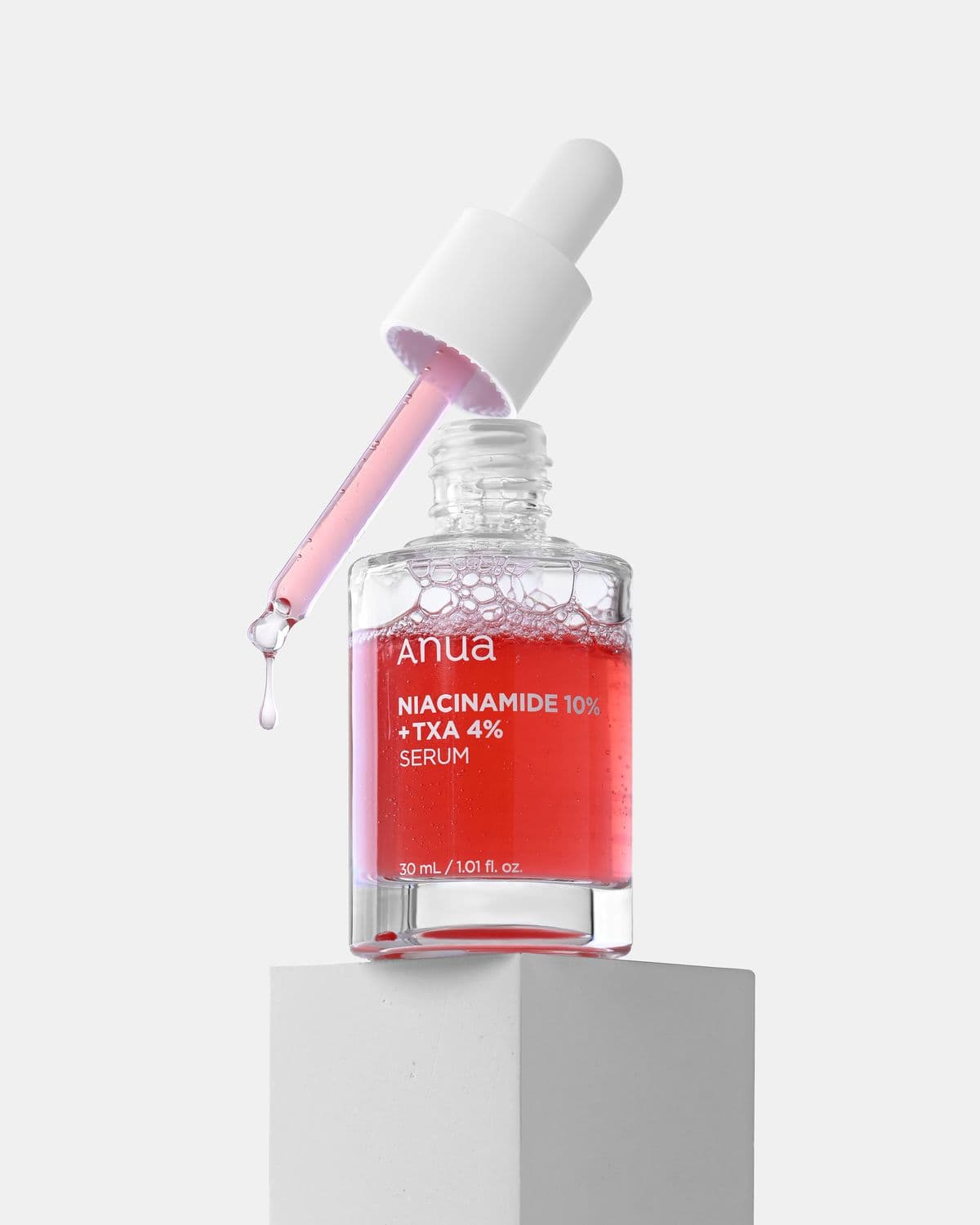
You may have read that niacinamide cancels out vitamin C. That idea comes from older studies using pure ingredients under conditions that don't match how modern skincare is formulated or used. Today's formulas are generally fine to layer. If your skin flushes when you combine them, simply use them at different times of day.
Combinations that work well
- Vitamin C + vitamin E + ferulic acid: a classic trio that makes vitamin C more stable.
- Vitamin C + sunscreen: extra defense against daytime damage.
- Retinol + ceramides or hyaluronic acid: hydration that offsets dryness.
- Salicylic acid + niacinamide: a common pairing for oily, acne-prone skin.
- Niacinamide + hyaluronic acid: gentle, hydrating and suitable for almost every skin type.
Checking the routines you see online
Many viral routines stack several serums one after another. Before you copy one, it helps to know exactly what's in it. Paste the video link into SaveAI to see each product, plus when and how it's applied, so you can spot combinations that may not suit your skin.
Frequently asked questions
Can I use niacinamide and vitamin C together?
Yes. Modern niacinamide and vitamin C products are generally safe to layer. If you notice redness, use them at different times of day.
Can I use retinol and salicylic acid together?
Not in the same routine, especially when starting out. Use them on alternate nights, or salicylic acid in the morning and retinol at night if your skin tolerates both.
Can I use hyaluronic acid with everything?
Almost. Hyaluronic acid is a gentle hydrator that pairs well with retinol, vitamin C, niacinamide and acids.
How many active ingredients should I use at once?
Most people do well with one or two actives per routine. Using more increases the chance of irritation without adding much benefit.
This guide is for general information only and isn't medical advice. If you have a skin condition or a reaction to a product, talk to a dermatologist.
More guides in Ingredients