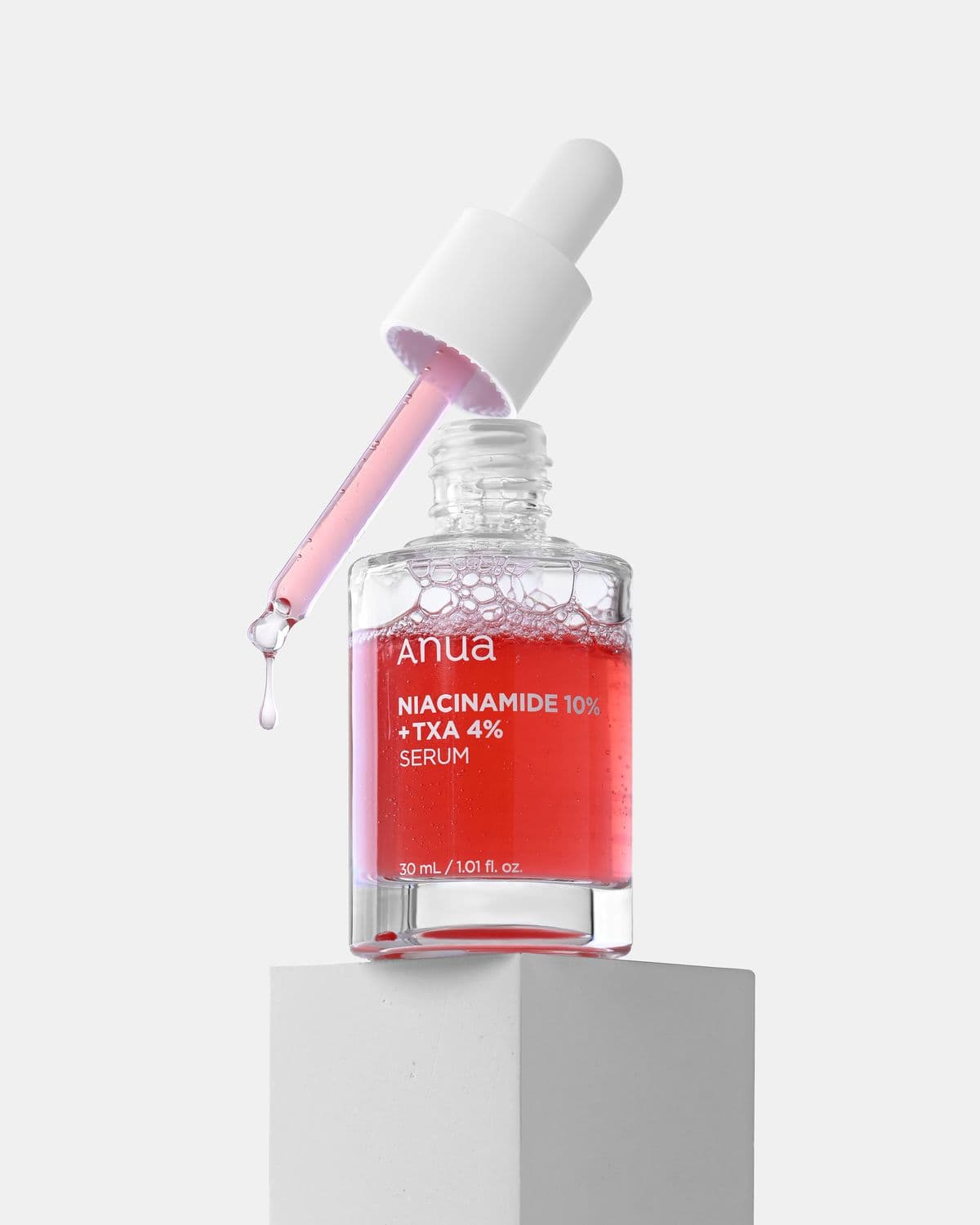
The niacinamide benefits list is long for a reason: this form of vitamin B3 helps with oiliness, redness, uneven tone and a weak skin barrier, and it's gentle enough for most skin types. That versatility is also why it shows up in so many routines on social media, sometimes at very high strengths. This guide explains what niacinamide actually does, how much you need and how to use it without overdoing it.
Key takeaways
- Niacinamide is vitamin B3; it supports the skin barrier, helps balance oil and can soften redness and dark spots.
- Around 2–5% is enough for most people; very high percentages can cause irritation without clear extra benefit.
- It can be used morning, night or both, and fits almost anywhere in a routine after cleansing.
- It pairs well with most ingredients, including retinol, hyaluronic acid, sunscreen and, for most people, vitamin C.
In this guide
What is niacinamide and what does it do?
Niacinamide, also called nicotinamide, is a water-soluble form of vitamin B3. On the skin, it helps strengthen the barrier, regulate oil and calm the look of redness, which makes it one of the most versatile ingredients you can use.
Here are the benefits that have the most support:
- Barrier support: it helps the skin produce ceramides and other lipids, so skin holds onto moisture better and feels less reactive.
- Oil control: it can help reduce excess shine over time, which is why it's popular for oily and combination skin.
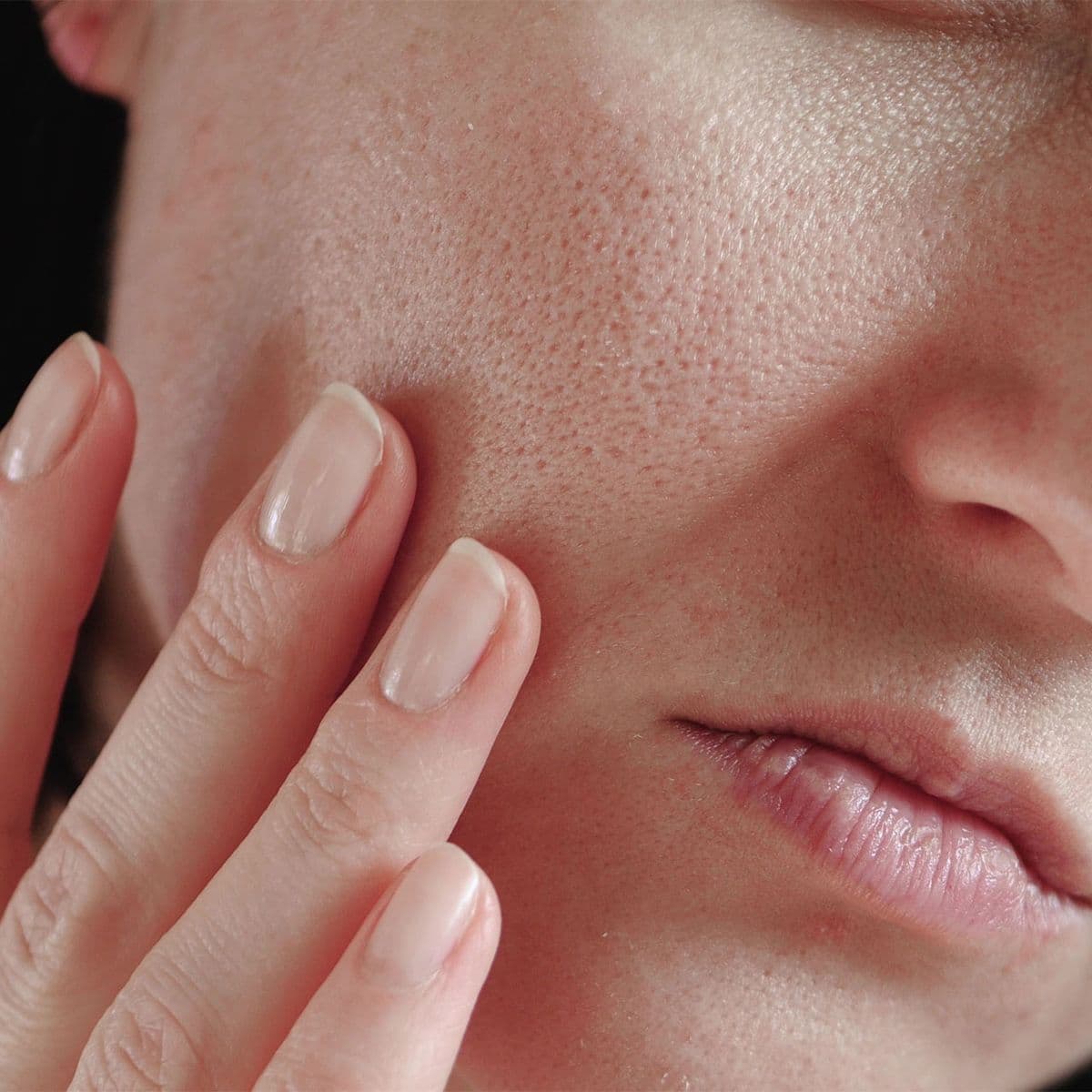
- Smaller-looking pores: by keeping pores clearer and less stretched by oil, it can make them look less noticeable. It can't permanently shrink them.
- More even tone: it reduces the transfer of pigment to the skin's surface, so it can gradually soften dark spots and post-acne marks.
- Less visible redness: its calming effect can help with blotchiness and irritation.

What percentage of niacinamide is best?
Most of the benefits linked to niacinamide come from concentrations around 2% to 5%. Higher strengths are widely sold, but they aren't necessarily more effective and are more likely to cause redness or tingling.
| Strength | Who it suits | Notes |
|---|---|---|
| 2–5% | Almost everyone, including sensitive skin | The best-supported range; often found in moisturizers and serums |
| 5–10% | Oily or resilient skin that tolerates lower strengths | Increase only if your skin is calm and you want more oil control |
| Above 10% | Rarely needed | Higher chance of redness or irritation with no clear extra benefit |
How to use niacinamide in your routine
Apply niacinamide after cleansing and before heavier creams, either in the morning, at night or both. Because it's gentle, it can usually be used every day.
Patch test
Try it on a small area for a few days before using it on your whole face. Here's how to patch test skincare properly.
Cleanse and tone
Start with clean skin. If you use a hydrating toner or essence, apply it first.
Apply a few drops
Spread 2 to 4 drops of serum over your face and neck. If your niacinamide is in your moisturizer, skip this step.
Layer the rest
Follow with other serums from thinnest to thickest, then moisturizer. In the morning, finish with sunscreen.
Be consistent
Give it 8 to 12 weeks of regular use before judging results on oil, tone or texture.
Not sure where it fits among your other steps? Our skincare routine order guide walks through the full sequence.
Who should use niacinamide?
Niacinamide suits nearly every skin type, which is a big part of its appeal. It's especially helpful for a few groups:
- Oily and combination skin: helps reduce shine and the look of enlarged pores. Pair it with the steps in our skincare routine for oily skin.
- Acne-prone skin: its calming and oil-balancing effects can complement acne treatments, though it isn't a replacement for them.
- Dry or compromised skin: barrier support can make skin feel more comfortable and less tight.
- Uneven tone: useful for post-acne marks and mild discoloration, especially alongside daily sunscreen.
What can you pair niacinamide with?
Niacinamide plays well with almost everything, so it's an easy add-on to an existing routine. Here's a quick look at common pairings.
Great pairings
- Hyaluronic acid, for gentle hydration.
- Retinol, to help offset dryness and irritation.
- Salicylic acid, for oily and acne-prone skin.
- Ceramides, for extra barrier support.
- Sunscreen, in a morning routine.
Use with care
- Vitamin C: usually fine, but separate them if you notice redness.
- Strong AHA peels: niacinamide isn't the issue, but layering actives raises irritation risk.
- Several niacinamide products at once: the amounts add up.
- Very high-strength formulas on sensitive skin.
The old warning that niacinamide and vitamin C cancel each other out comes from older lab conditions that don't reflect modern formulas. For more combinations, see skincare ingredients you should not mix.
Finding the niacinamide in the routines you see online
Niacinamide often hides in toners, moisturizers and even sunscreens, so a routine that looks simple can contain it three times over. Paste the video link into SaveAI to see every product in a TikTok or Instagram routine and how it's applied, then check the labels for overlapping actives before you copy it.

Frequently asked questions
Can I use niacinamide every day?
Yes. Niacinamide is gentle enough for daily use, morning and night, for most people. Lower the frequency if you notice redness or itching.
How long does niacinamide take to work?
Some people notice less shine within a few weeks, but changes in tone and texture usually take 8 to 12 weeks of consistent use.
Can niacinamide cause breakouts?
It's uncommon, but some people react with small bumps, often from a high strength or the rest of the formula. Try a lower percentage or a different product.
Is niacinamide good for sensitive skin?
Usually, yes, at around 2% to 5%. It supports the skin barrier, but patch test first and avoid very high-strength serums.
This guide is for general information only and isn't medical advice. If you have a skin condition or a reaction to a product, talk to a dermatologist.
More guides in Ingredients