If you want to know how to fade dark spots, the honest answer starts with sunscreen, not a serum. Dark spots form when skin makes extra pigment, and sun exposure keeps that process going. With daily SPF and one or two proven ingredients, most spots fade noticeably over a few months. Here's how to do it without irritating your skin and making things worse.
Key takeaways
- Daily broad-spectrum SPF 30+ is the foundation. Without it, no brightening product can keep up.
- Vitamin C, niacinamide, azelaic acid and retinoids are the most useful over-the-counter options.
- Expect gradual fading over 8 to 12 weeks or longer; deeper spots and melasma take more time.
- Gentle beats aggressive, especially for darker skin tones, where irritation can cause new marks.
In this guide
What are the different types of dark spots?
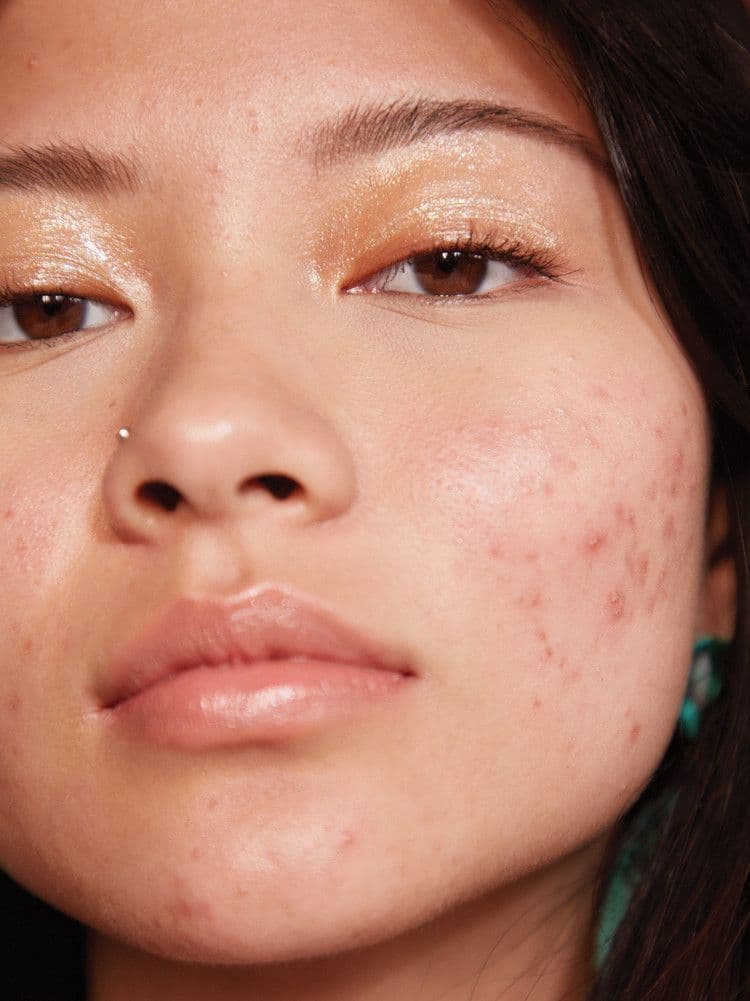
Dark spots are areas of hyperpigmentation, where skin produces more melanin than the surrounding area. Knowing which type you have helps you pick the right approach.
| Type | What it looks like | Common triggers |
|---|---|---|
| Post-inflammatory hyperpigmentation (PIH) | Flat brown, gray or dark marks where a pimple, bite or scratch healed | Acne, picking, rashes, irritation |
| Sun spots | Small, flat brown spots on face, hands and chest | Years of sun exposure |
| Melasma | Larger, symmetrical patches, often on cheeks, forehead and upper lip | Hormones, sun, heat, visible light |
| Post-inflammatory erythema (PIE) | Pink or red marks after acne, more common on lighter skin | Inflammation and healing blood vessels |
Red or pink acne marks are not true pigment, so brightening ingredients help them less. They often fade with time, gentle care and sun protection.
Why is sunscreen the most important step?
Sun exposure triggers pigment production, so unprotected skin keeps darkening spots even while you treat them. Daily sunscreen protects your progress and helps stop new spots from forming.
- Use broad-spectrum SPF 30 or higher every morning, even on cloudy days and indoors near windows.
- Apply enough: about two finger-lengths for face and neck. Our guide on how much sunscreen to use breaks it down.
- Reapply every two hours when you're outdoors.
- For melasma, a tinted sunscreen with iron oxides adds protection from visible light.
Which ingredients help fade dark spots?
The best-supported over-the-counter options are vitamin C, niacinamide, azelaic acid and retinoids. You don't need all of them. One or two, used consistently, is plenty.
- Vitamin C: an antioxidant that brightens and helps protect against sun damage. Best used in the morning under sunscreen. See our vitamin C serum guide for how to choose one.
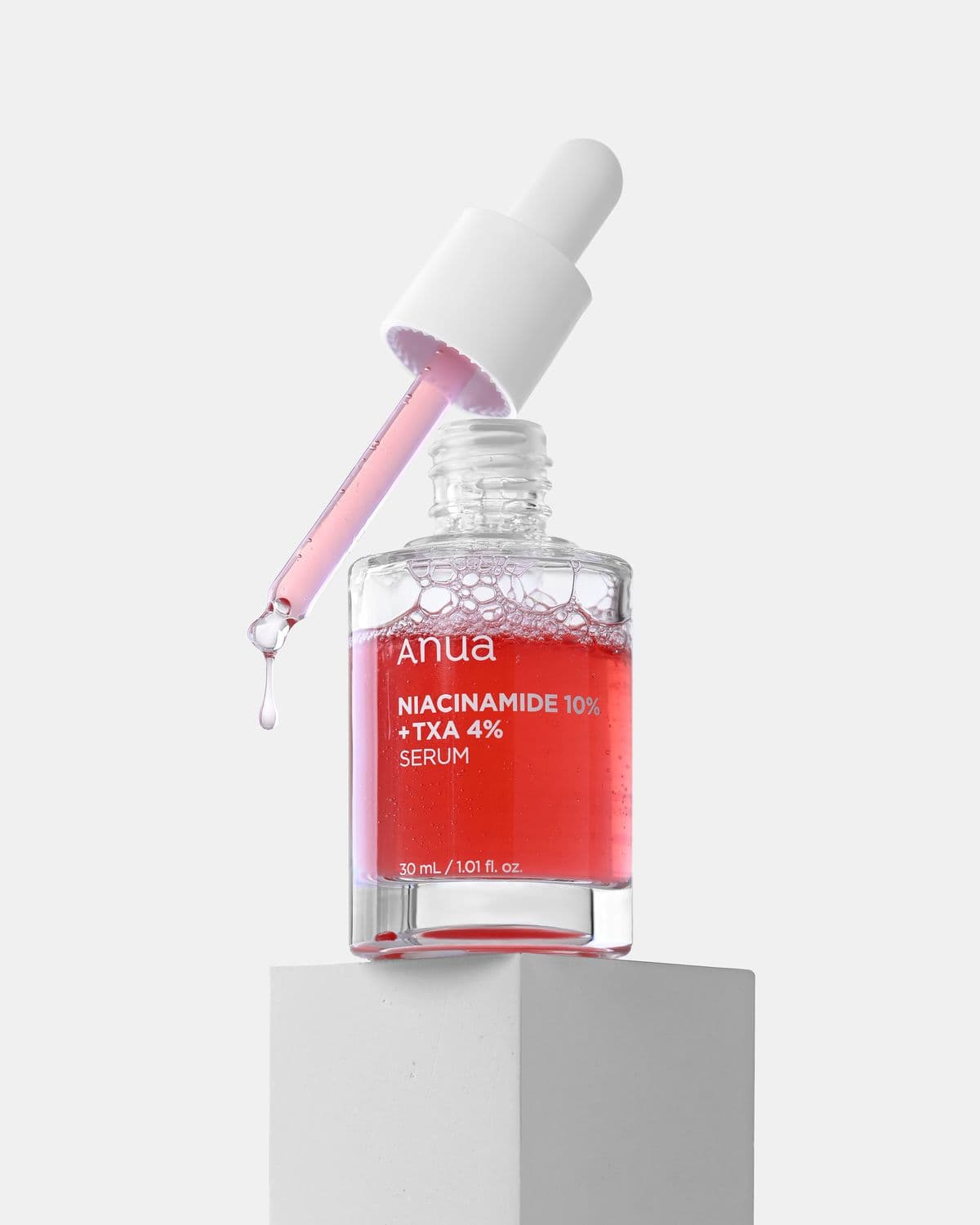
- Niacinamide: helps reduce the transfer of pigment to the skin surface and is very well tolerated. Learn more in our niacinamide benefits guide.
- Azelaic acid: calms redness and evens tone, a good option for sensitive or acne-prone skin.
- Retinoids: speed up cell turnover so pigmented cells shed faster. Start slowly, and avoid them during pregnancy.
- Gentle exfoliating acids: glycolic, lactic or mandelic acid can help brighten when used a few times a week.
Whatever you choose, patch test first and introduce one new product at a time. Our guide on how to patch test skincare shows the simple method. Irritation is the enemy here, because inflamed skin can make more pigment, not less.
For stubborn spots or melasma, ask a dermatologist about prescription options and in-office treatments.
A simple routine to fade dark spots
Cleanse gently
Use a mild, non-stripping cleanser morning and night. Irritation can trigger more pigment.
Morning: vitamin C or niacinamide
Apply a few drops to dry skin and let it absorb.
Morning: moisturizer and SPF
Finish with moisturizer and a generous layer of broad-spectrum SPF 30+.
Night: one targeted treatment
Use a retinoid or azelaic acid, starting two or three nights a week. Don't layer several strong actives on the same night.
Night: moisturize
A barrier-supporting moisturizer helps your skin tolerate treatments over the long haul.
How long does it take to fade dark spots?
Spots fade from the outside in, so changes can be easy to miss day to day. Take photos in the same natural light every few weeks to track progress honestly. And remember that preventing new spots, by treating acne early and not picking, matters as much as fading the old ones.
Most people see gradual improvement after 8 to 12 weeks of daily use and sun protection. Lighter, newer PIH may fade faster, while older sun spots and melasma often take several months and can come back with sun or heat exposure.
Trying a brightening routine you saw online? Paste the video link into SaveAI to identify every product in it and see when each one is applied.
How to fade dark spots on darker skin tones
Darker skin tones are more prone to PIH, and spots can last longer. The key is avoiding irritation, because any inflammation can create new marks.
Helpful
- Gentle ingredients like azelaic acid and niacinamide.
- Slowly introduced retinoids with plenty of moisturizer.
- Daily sunscreen, including tinted formulas with no white cast.
- Treating acne early to prevent new marks.
Risky
- Strong peels or high-strength acids at home.
- Harsh scrubs and frequent exfoliation.
- Unregulated “skin lightening” creams sold online.
- Picking at pimples or ingrown hairs.
If you're considering in-office treatments like peels or lasers, choose a dermatologist experienced with your skin tone.
Frequently asked questions
What fades dark spots the fastest?
There's no instant fix. Consistent daily sunscreen plus one proven ingredient, such as a retinoid, azelaic acid or vitamin C, gives the most reliable results over a few months. A dermatologist can suggest faster prescription or in-office options.
Can dark spots go away on their own?
Post-inflammatory marks often fade on their own over months, especially with sun protection. Sun spots and melasma usually need treatment and ongoing SPF to improve.
Is niacinamide or vitamin C better for dark spots?
Both can help. Vitamin C adds antioxidant protection and works well in the morning, while niacinamide is gentler and easier for sensitive skin. Many people use both.
Can I use retinol for dark spots while pregnant?
Retinoids are generally not recommended during pregnancy. Ask your doctor about alternatives, such as azelaic acid, which is often considered a safer option.
This guide is for general information only and isn't medical advice. If you have a skin condition or a reaction to a product, talk to a dermatologist.
More guides in Skin Concerns