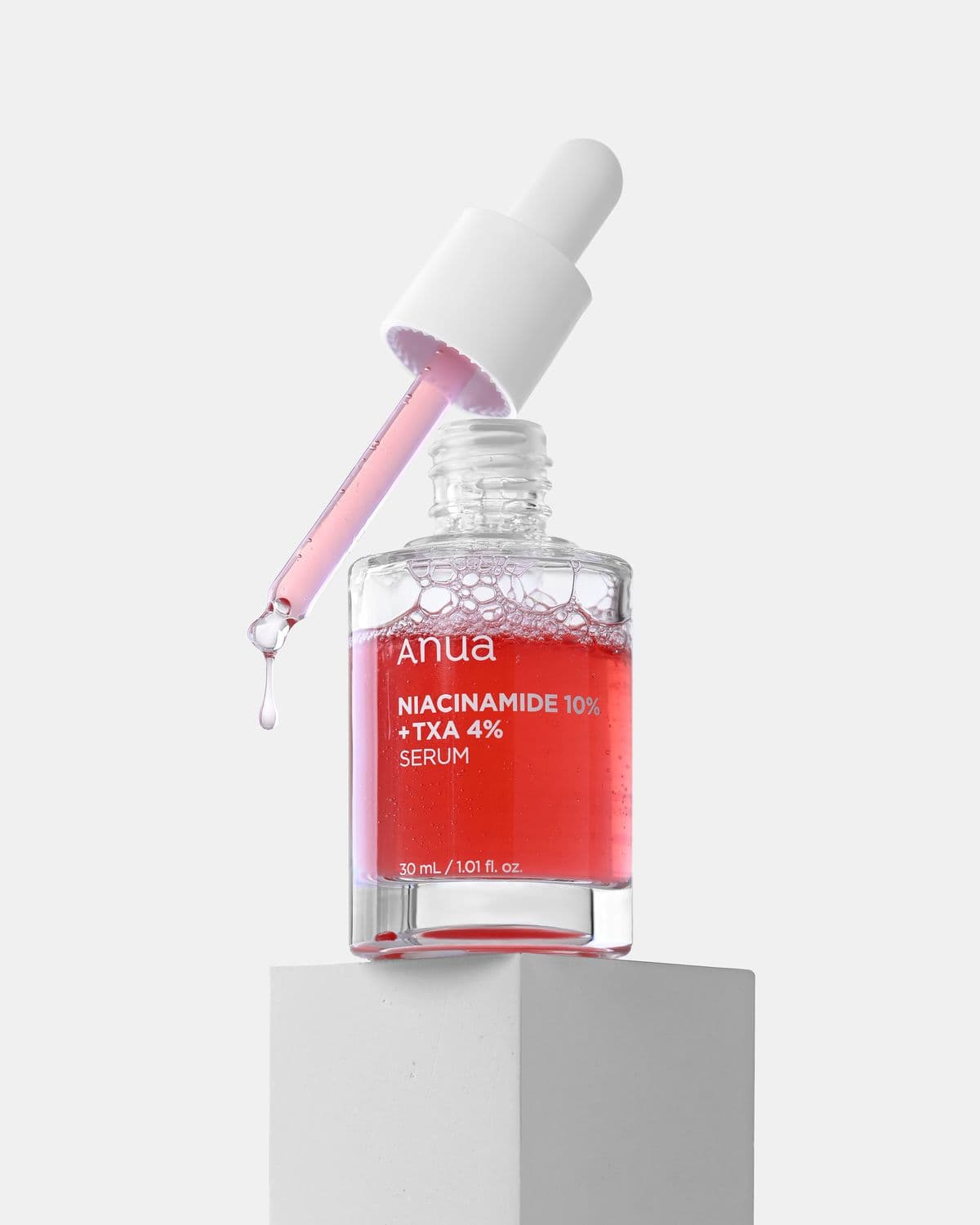
A good skincare routine for oily skin isn't about scrubbing away every trace of oil. Your skin needs some sebum to stay healthy, and stripping it too hard can leave it irritated and even shinier by midday. The goal is balance: clean pores, lightweight hydration and a few targeted ingredients that keep shine and breakouts in check.
Key takeaways
- Cleanse gently twice a day. Harsh, squeaky-clean washing can backfire.
- Oily skin still needs moisturizer: choose a lightweight gel or oil-free lotion.
- Niacinamide and salicylic acid are two of the most useful ingredients for shine and clogged pores.
- Sunscreen is non-negotiable. Look for a fluid or gel texture labeled non-comedogenic.
In this guide
What does oily skin actually need?
Oily skin needs gentle cleansing, lightweight hydration and sun protection, plus an ingredient or two that helps regulate shine and keep pores clear. It doesn't need harsh scrubs, alcohol-heavy toners or skipping moisturizer.
Oil production is largely driven by genetics and hormones, and it often shifts with heat, humidity and stress. You can't switch it off with skincare, but you can manage how it looks and feels, and reduce the clogged pores and breakouts that often come with it.
If only your T-zone gets shiny while your cheeks feel normal or dry, you likely have combination skin. The same routine works, but you can apply a mattifying or treatment product only where you need it and use a slightly richer moisturizer on drier areas.

Morning skincare routine for oily skin
Keep mornings light so your products sit well under makeup and don't add extra shine.
Gentle gel or foaming cleanser
Wash with lukewarm water and a mild cleanser. Hot water and harsh soaps can irritate skin without reducing oil long term.
Niacinamide serum (optional)
A few drops of a niacinamide serum can help with the look of shine and enlarged pores. It plays well with most other ingredients.
Lightweight moisturizer
A gel or oil-free lotion hydrates without feeling heavy. Look for non-comedogenic on the label.
Sunscreen
Broad-spectrum SPF 30 or higher in a fluid, gel or matte finish. Some people with oily skin use a moisturizing sunscreen and skip the separate moisturizer.
If you wear makeup, let your sunscreen set for a few minutes first. Oil-free or non-comedogenic foundations and a light dusting of powder on the T-zone can help your base last longer, and blotting through the day keeps shine down without piling on more product.
Night skincare routine for oily skin
Night is the time to clean thoroughly and use your treatment products, since your skin isn't dealing with sun exposure.
Remove sunscreen and makeup
If you wear makeup or water-resistant SPF, start with an oil cleanser or micellar water. It sounds counterintuitive, but oil cleansers rinse clean and dissolve sebum well. Our double cleansing guide explains how.
Gentle cleanser
Follow with your regular gel or foaming cleanser.
Treatment
Use a salicylic acid (BHA) product two to three nights a week, or a retinoid on other nights. Don't start both in the same week.
Moisturizer
Finish with your lightweight moisturizer. If your skin feels tight after actives, a slightly richer gel-cream is fine.
Best ingredients for oily skin
You don't need all of these. Pick one or two that match your main concern.
| Ingredient | What it helps with | How to use it |
|---|---|---|
| Niacinamide | The look of shine, enlarged pores and uneven tone | Daily, morning or night; usually well tolerated |
| Salicylic acid (BHA) | Clogged pores, blackheads and breakouts, since it's oil-soluble | Start 2 to 3 times a week, usually at night |
| Retinoids | Clogged pores, acne and texture over time | Night only, a few times a week at first, with daily sunscreen |
| Clay | Temporarily absorbs surface oil | As a mask once or twice a week, not left on until it cracks |
| Hyaluronic acid or glycerin | Lightweight hydration without heaviness | Daily, on slightly damp skin before moisturizer |
Want to go deeper? Read our guide to niacinamide benefits, or see how to minimize the look of pores if that's your main concern.
What mistakes make oily skin worse?
The most common mistake is over-cleansing. Washing too often or with harsh products can damage your skin barrier, leaving it red, flaky and still oily.
- Washing more than twice a day, or using gritty scrubs to “deep clean.”
- Using alcohol-heavy toners that feel tingly and tight.
- Skipping moisturizer, which can leave skin dehydrated and irritated.
- Layering several acids and retinoids at once.
- Touching or picking at your face throughout the day.
- Skipping sunscreen because it “feels greasy.” Lightweight formulas exist for exactly this reason.
Oily skin, breakouts and when to see a dermatologist
Oily skin and acne often go together, but they're not the same. If you're dealing with frequent breakouts, our acne skincare routine builds on these steps. If you're seeing a routine on TikTok or Instagram that claims to fix oily skin, you can paste the video link into SaveAI to see exactly which products were used before deciding if they fit your skin.

See a dermatologist if you have painful, deep or scarring acne, if over-the-counter products haven't helped after a few months, or if oiliness changes suddenly. Prescription options can make a real difference.
Whatever you try, give it time. Oil-control and pore-clearing ingredients usually need several weeks of consistent use before you can fairly judge them, and switching products every few days makes it hard to know what works. If you're also bothered by clogged pores on the nose, our guide on how to get rid of blackheads has more targeted tips.
Frequently asked questions
How many times a day should I wash oily skin?
Twice a day, morning and night, is enough for most people. Add an extra rinse after heavy sweating, but avoid washing more often than that.
Is niacinamide or salicylic acid better for oily skin?
They do different jobs. Niacinamide helps with the look of shine and pores and is gentle enough for daily use, while salicylic acid gets into pores to clear clogs. Many people use both, at different times.
Can oily skin use face oil?
Some people with oily skin tolerate lightweight oils, but it's not necessary. If you're prone to clogged pores, a lightweight gel moisturizer is usually the safer choice.
Why is my skin oily but also flaky?
That's often a sign of dehydration or barrier damage, frequently from over-cleansing or too many actives. Scale back to gentle basics and a moisturizer, and see a dermatologist if flaking persists, since conditions like seborrheic dermatitis can look similar.
This guide is for general information only and isn't medical advice. If you have a skin condition or a reaction to a product, talk to a dermatologist.
More guides in Routines