A good skincare routine for acne-prone skin is simpler than most social media routines make it look. You need a gentle cleanser, one or two proven acne ingredients, a moisturizer and sunscreen. Everything else is optional. This guide shows you how to put those pieces together, how long to wait for results and when it's time to get professional help.
Key takeaways
- Keep it simple: gentle cleanser, one active treatment, non-comedogenic moisturizer and daily sunscreen.
- Salicylic acid, benzoyl peroxide and adapalene are the best-studied over-the-counter acne ingredients.
- Give any new acne treatment 8 to 12 weeks before judging it, and introduce one product at a time.
- See a dermatologist for painful, deep, scarring or persistent acne. Prescription options work well.
In this guide
What causes acne in the first place?
Acne forms when oil and dead skin cells clog a pore, and acne-causing bacteria and inflammation take over from there. Hormones, genetics, stress, some medications and certain hair or skin products can all make it more likely.
That's why a good acne routine does three jobs: keeps pores clear, calms inflammation and protects your skin barrier so it can heal. Scrubbing harder or stacking five actives usually works against you, because irritated skin tends to break out and mark more easily.
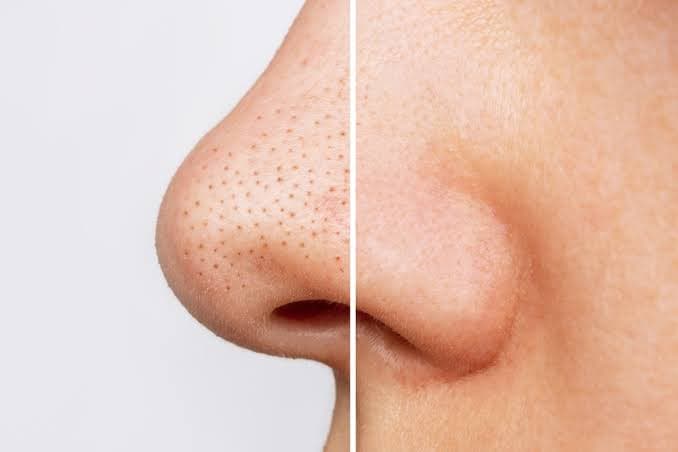
- Blackheads and whiteheads: clogged pores without much inflammation.
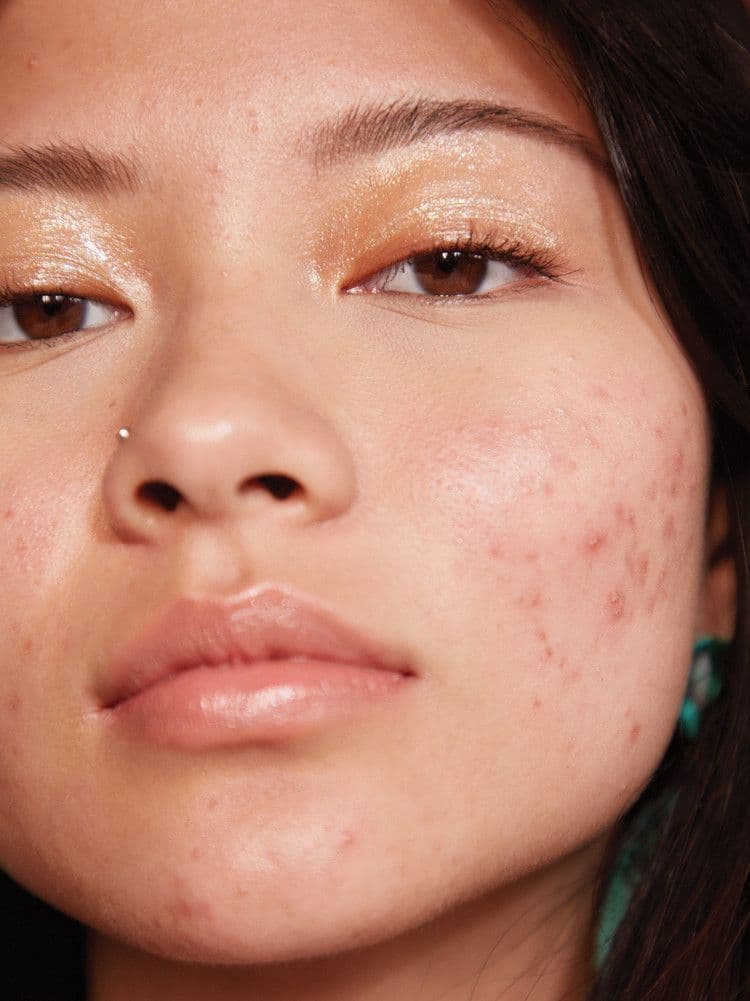
- Papules and pustules: red bumps and whiteheads with pus, the classic “pimple.”
- Nodules and cysts: deep, painful lumps that can scar and usually need a dermatologist.
Which ingredients actually help acne?
The most reliable over-the-counter options are salicylic acid, benzoyl peroxide and adapalene. Each works in a different way, so the right pick depends on what your breakouts look like.
| Ingredient | What it does | Best for | Watch out for |
|---|---|---|---|
| Salicylic acid (BHA) | Oil-soluble exfoliant that clears inside pores | Blackheads, whiteheads, oily skin | Dryness if overused |
| Benzoyl peroxide | Reduces acne-causing bacteria | Red, inflamed pimples | Dryness, can bleach fabric |
| Adapalene | Retinoid that keeps pores from clogging | Recurring breakouts of all types | Early dryness and irritation, sun sensitivity |
| Azelaic acid | Calms redness and helps marks fade | Sensitive skin, post-acne marks | Mild tingling at first |
| Niacinamide | Soothes and supports the barrier | Pairing with stronger actives | Rarely irritating |
Lower strengths are often enough. A 2.5% to 5% benzoyl peroxide tends to be gentler than 10% while still working well. If you're curious how these fit with other actives, see our guide to skincare ingredients you shouldn't mix.
A simple acne routine, morning and night
Here is a starting routine that works for most acne-prone skin. Follow the right skincare routine order so each product goes on where it works best.
Morning: gentle cleanse
Use a mild, fragrance-free gel or cream cleanser. A benzoyl peroxide wash, left on for a minute before rinsing, is a good option here.
Morning: light moisturizer
Choose a non-comedogenic, oil-free moisturizer. Even oily skin needs hydration, especially while using drying actives.
Morning: sunscreen
Apply SPF 30 or higher every day. Sun can darken post-acne marks, and some acne treatments make skin more sun-sensitive.
Night: cleanse again
Remove sunscreen, makeup and oil. If you wear heavy makeup, a double cleanse with a non-comedogenic cleansing balm or oil can help.
Night: one treatment
Apply your main active, such as adapalene or a salicylic acid serum, on dry skin. Start two or three nights a week and build up.
Night: moisturize
Finish with a soothing moisturizer to reduce dryness and support your barrier.
Acne dos and don'ts
Do
- Look for “non-comedogenic” or “won't clog pores” on labels.
- Introduce one new product at a time, about two weeks apart.
- Change pillowcases often and clean your phone screen.
- Use spot treatments sparingly on top of your regular routine.
Don't
- Pick, pop or squeeze pimples.
- Scrub with harsh physical exfoliants.
- Use several strong actives on the same night.
- Skip moisturizer because your skin is oily.
Picking pushes inflammation deeper and greatly raises the chance of dark marks and scars. If a spot is bothering you, a hydrocolloid patch can protect it and help you keep your hands off.
How long does it take to see results?
Most acne treatments take 8 to 12 weeks of consistent use to show clear improvement. Some people also notice a short increase in breakouts in the first weeks of a retinoid, often called purging.
Resist the urge to switch products every week. Changing too often makes it impossible to know what's working and raises the chance of irritation. If your skin feels tight, stings or flakes a lot, cut back how often you use your active rather than quitting the routine entirely, and lean on a soothing moisturizer for a few days.
Keep a simple photo log every two weeks in the same lighting. It's much easier to judge progress that way than in the mirror day to day. If you've been following a routine from a creator, you can paste the video link into SaveAI to see exactly which products and steps they used before copying it.
When should you see a dermatologist?
See a dermatologist if your acne is painful, deep, leaving scars or dark marks, affecting your confidence, or not improving after about three months of a consistent routine.
- Deep, painful bumps or cysts under the skin.
- Acne that leaves scars, pits or long-lasting dark marks.
- Sudden adult acne along with other symptoms, such as irregular periods or unusual hair growth.
- No real improvement after about three months of consistent care.
A dermatologist can check for other conditions that look like acne and discuss prescription treatments, including stronger topical and oral options, that aren't available over the counter. Ask a dermatologist which approach fits your skin, health and plans, especially if you might become pregnant.
Frequently asked questions
Can I use salicylic acid and benzoyl peroxide together?
Many people do, but using both at once can be drying. A gentler approach is to use them at different times, such as a benzoyl peroxide wash in the morning and salicylic acid at night, and to back off if your skin gets irritated.
Should I moisturize if I have acne?
Yes. A lightweight, non-comedogenic moisturizer helps your skin tolerate acne treatments and supports healing. Skipping it often leads to dryness and irritation.
Does toothpaste work on pimples?
No. Toothpaste can irritate and even burn skin. Use a proper spot treatment with benzoyl peroxide or salicylic acid instead.
Why am I breaking out more after starting a new product?
It could be purging from a retinoid or exfoliant, which usually settles within about four to six weeks in your usual breakout areas. New breakouts in unusual spots, or redness and itching, are more likely a reaction, so stop the product.
This guide is for general information only and isn't medical advice. If you have a skin condition or a reaction to a product, talk to a dermatologist.
More guides in Skin Concerns