Learning how to minimize pores starts with a reality check: you can't permanently shrink them or close them. Pore size is mostly set by genetics, age and how oily your skin is. What you can do is keep pores clear and skin firm so they look noticeably smaller. Here's what actually works, and which viral tricks to skip.
Key takeaways
- Pore size is largely genetic. Skincare makes pores look smaller but can't change them permanently.
- Clean, unclogged pores look smaller, so gentle cleansing and BHA are the first steps.
- Retinoids and daily SPF help keep skin firm, which keeps pores from looking stretched over time.
- Ice, pore strips and harsh scrubs give a temporary effect at best and can irritate skin.
In this guide
Why do pores look large?
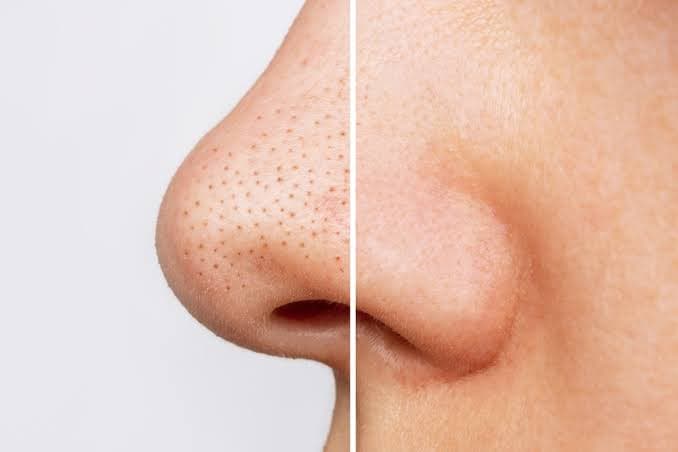
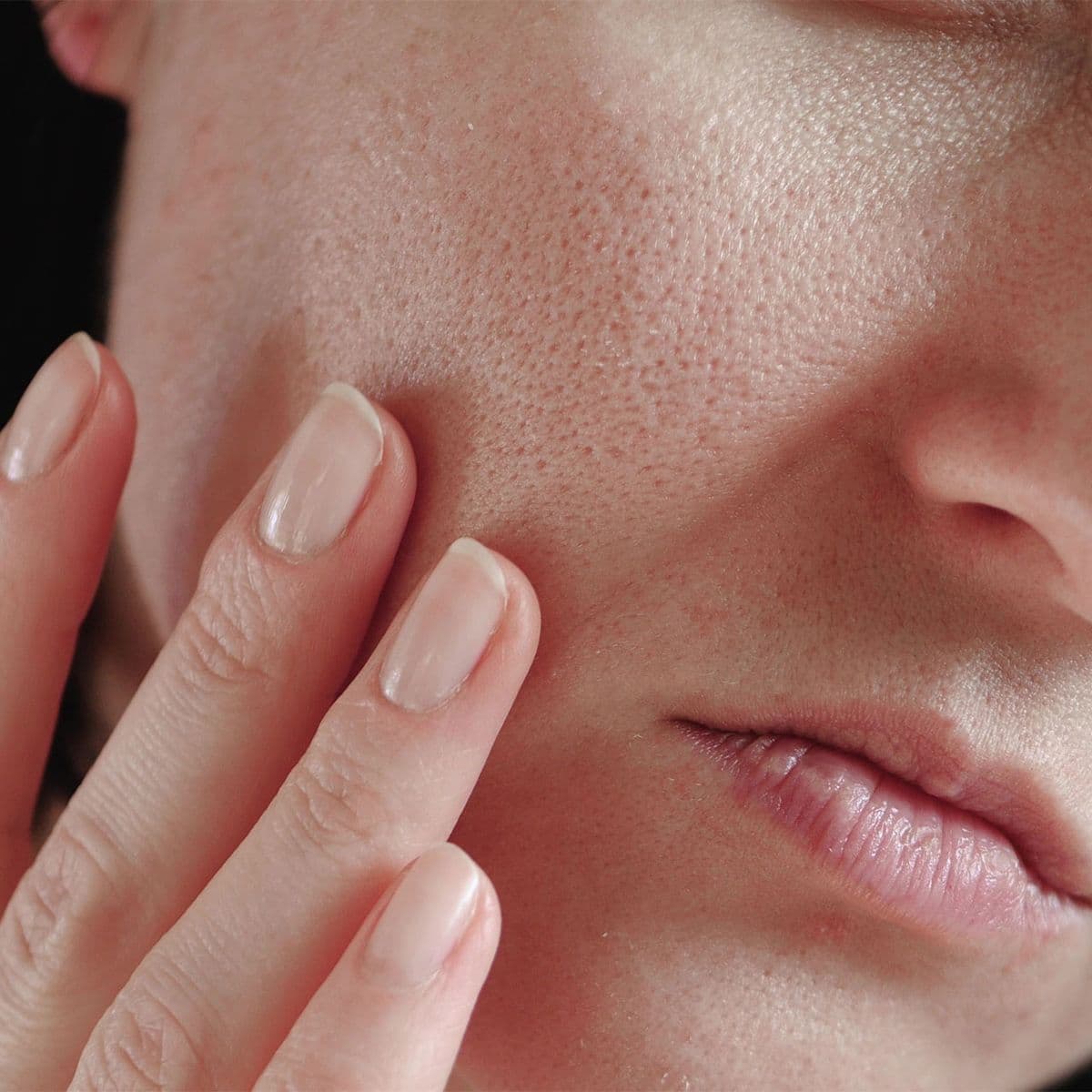
Pores look larger when they're filled with oil and dead skin, when skin produces a lot of oil, or when skin around them loses firmness with age and sun damage. Genetics sets the baseline.
- Oil production: oily skin tends to have more visible pores, especially on the nose, forehead and cheeks.
- Clogging: a pore packed with oil and debris stretches and looks darker.
- Loss of firmness: collagen naturally declines with age and sun exposure, so pores can look stretched.
- Genetics: some people simply have larger pores, and that's normal.
Can you actually shrink pores?
Not permanently. But you can make them look significantly smaller by keeping them clear, controlling excess shine and supporting firm skin.
Think of it as two goals: short term, keep pores clean so they don't look stretched or dark. Long term, protect collagen so the skin around pores stays firm. Results build gradually and fade if you stop, so the best routine is one simple enough to keep doing every day. If you're not sure how oily your skin really is, start with our guide on how to find your skin type.
A routine to minimize the look of pores
Cleanse gently twice a day
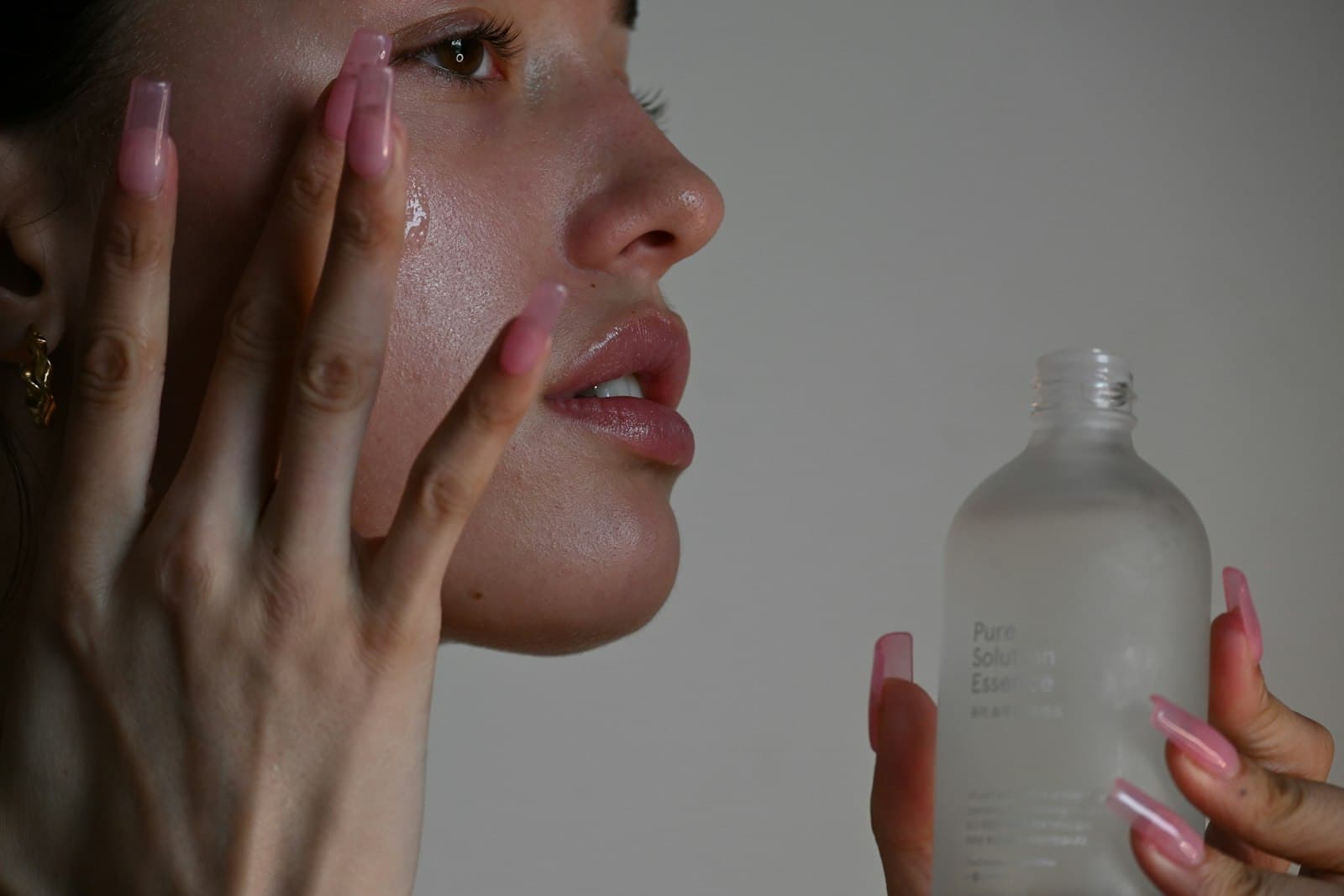
Use a gentle gel or foaming cleanser that removes oil without leaving skin tight. Over-stripping can make skin produce more oil.
Exfoliate with BHA
Use a salicylic acid toner or serum two to four times a week. It's oil-soluble, so it works inside the pore to clear buildup.
Add niacinamide
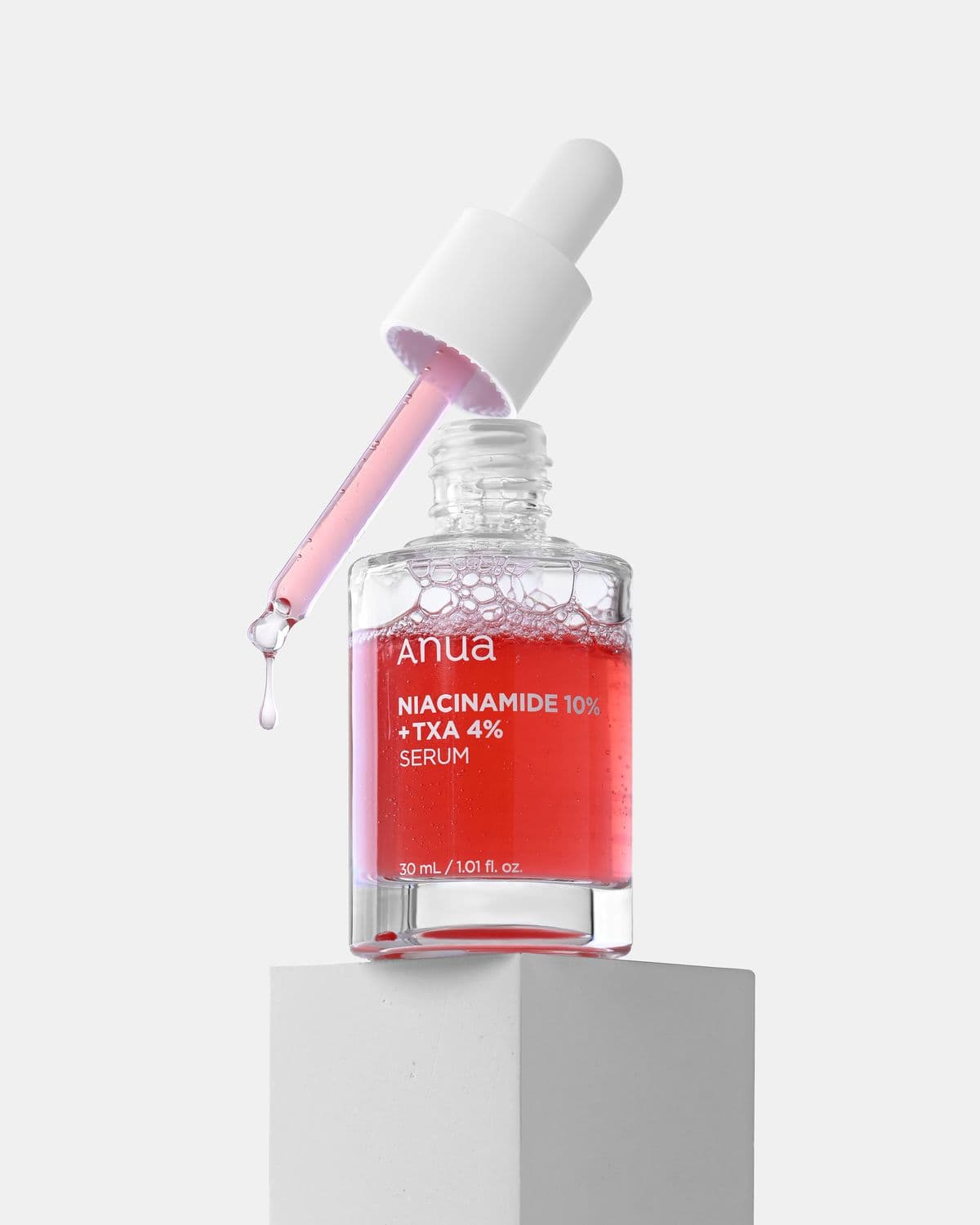
A niacinamide serum can help balance oil and improve how pores look. It pairs well with most routines.
Moisturize lightly
Choose a lightweight, non-comedogenic gel or lotion. Dehydrated skin can look rougher and pores more obvious.
Protect with SPF
Daily sunscreen protects collagen, which helps keep pores from looking larger over time.
Night: retinoid (optional)
A retinoid a few nights a week helps clear pores and supports collagen. Start low and slow.
Which ingredients help pores look smaller?
| Ingredient | How it helps | How often |
|---|---|---|
| Salicylic acid (BHA) | Clears oil and debris inside pores | 2 to 4 times a week, or daily if tolerated |
| Niacinamide | Helps balance oil and refine the look of pores | Once or twice daily |
| Retinoids | Speed cell turnover and support collagen | Start 2 to 3 nights a week |
| Clay masks | Absorb surface oil for a temporary matte look | Once or twice a week |
| Sunscreen | Protects collagen from sun damage | Every morning |
Start with one active, usually BHA, and give it four to six weeks before adding a second. If your skin is dry or sensitive rather than oily, a gentler routine with niacinamide and a mild retinoid may work better than frequent exfoliation.
Want to go deeper on two of these? Read our retinol for beginners guide and our niacinamide benefits guide before adding them.
Do ice, pore strips and scrubs work?
They give a short-lived effect at best. Ice can make skin look tighter for a few minutes, pore strips pull out the top of some clogs, and scrubs can smooth the surface, but none of them change pore size.
Worth it
- Regular BHA exfoliation.
- Niacinamide and retinoids for long-term results.
- Daily sunscreen.
- A clay mask before an event for a matte finish.
Skip it
- Rubbing ice directly on skin, which can cause irritation.
- Frequent pore strips, which can irritate and pull at skin.
- Harsh scrubs with jagged particles.
- Squeezing pores, which can stretch and scar them.
Saw a “pore-erasing” routine on TikTok? Paste the video link into SaveAI to see every product in it before deciding whether it's worth trying.
Makeup tricks for smoother-looking pores
Skin prep matters as much as the products. Start with moisturized, not greasy, skin, and give your sunscreen a few minutes to settle before makeup. Heavy, very matte foundations can settle into pores, so a lighter, satin-finish base often looks smoother up close.
A silicone-based or mattifying primer can blur the look of pores temporarily. Apply a thin layer only where you need it, usually the nose and cheeks, and pat rather than rub.
Blotting papers are a handy midday fix for shine. Press them on gently instead of wiping, so you lift oil without moving your makeup around.
Remove makeup thoroughly every night so it doesn't build up in pores. If you wear long-wear makeup or heavy sunscreen, a double cleanse can help.
Frequently asked questions
Can you permanently shrink pores?
No. Pore size is mostly genetic. Skincare can make pores look smaller by keeping them clear and skin firm, but results last only as long as you keep up the routine.
Does cold water close pores?
No. Pores don't open or close. Cold water can make skin look briefly tighter, but it doesn't change pore size.
What is the best ingredient for large pores?
Salicylic acid is a great starting point because it clears oil inside pores. Niacinamide and retinoids add longer-term benefits, and daily sunscreen protects the skin's firmness.
How long does it take to see smaller-looking pores?
Clearer pores from BHA can show within a few weeks. Changes from retinoids and better firmness usually take three months or more.
This guide is for general information only and isn't medical advice. If you have a skin condition or a reaction to a product, talk to a dermatologist.
More guides in Skin Concerns