Double cleansing means washing your face twice in a row: first with an oil-based cleanser, then with a water-based one. It's a staple of Korean skincare routines and all over beauty TikTok, but it isn't something everyone needs every day. Here's how it works, who benefits, which first step to choose and the mistakes that turn a good habit into irritated skin.
Key takeaways
- Double cleansing uses an oil-based cleanser to break down makeup and sunscreen, then a water-based cleanser to wash everything away.
- It's most useful at night if you wear makeup, water-resistant sunscreen or have oily skin.
- Cleansing oils, balms and micellar water all work as a first step; choose by skin type and preference.
- Rubbing hard, using hot water or picking two harsh cleansers can damage your skin barrier.
In this guide
What is double cleansing?
Double cleansing is a two-step method: an oil-based cleanser first, followed by a gentle water-based cleanser. The idea is simple: oil dissolves oil.
Makeup, sunscreen and sebum are largely oil-based, so they can be hard to remove fully with a regular cleanser alone. The first cleanse loosens and lifts them; the second removes the leftover residue along with sweat and dirt, leaving skin clean and ready for the rest of your routine. It's a common first step in the Korean glass skin routine.
The two steps don't have to be two separate products every time. Some people use a cleansing oil or balm followed by their usual gentle cleanser, while others with light makeup simply use micellar water and then rinse. What matters is that your skin ends up clean without feeling stripped.
Who needs to double cleanse?
Double cleansing is most helpful at night for people who wear makeup or long-wearing sunscreen, or who have oily skin. If you wear neither and have dry or sensitive skin, a single gentle cleanse is usually enough.
Likely to benefit
- You wear foundation, long-wear or waterproof makeup.
- You use water-resistant or high-SPF sunscreen daily.
- You have oily or acne-prone skin and feel residue after one cleanse.
- You live in a city or sweat a lot during the day.
May not need it
- You wear little or no makeup and a light sunscreen.
- Your skin is very dry or sensitive and feels tight after cleansing.
- Your skin barrier is currently damaged or irritated.
- It's the morning: a gentle single cleanse or water rinse is usually plenty.
Cleansing oil, balm or micellar water: which first step is best?
All three remove makeup and sunscreen. The right one depends on your skin type, what you wear and the texture you enjoy using.
| First cleanser | Texture and feel | Best for | Watch out for |
|---|---|---|---|
| Cleansing oil | Liquid oil that turns milky when mixed with water | Most skin types, heavy makeup, waterproof sunscreen | Fragrance or essential oils if you're sensitive; rinse well |
| Cleansing balm | Solid balm that melts into an oil on skin | Dry and normal skin, heavy or waterproof makeup | Can feel rich; some formulas leave more residue |
| Micellar water | Water-like liquid used on a cotton pad | Sensitive skin, light makeup, quick cleansing | Rubbing with pads can irritate; may struggle with waterproof products |
| Cleansing milk | Light, creamy lotion | Dry or sensitive skin with light makeup | Less effective on heavy, long-wear makeup |
If you wear eye makeup, check that your first cleanser is labeled safe for the eye area, and keep your eyes closed while you massage. Waterproof mascara usually needs an oil or balm rather than micellar water alone.
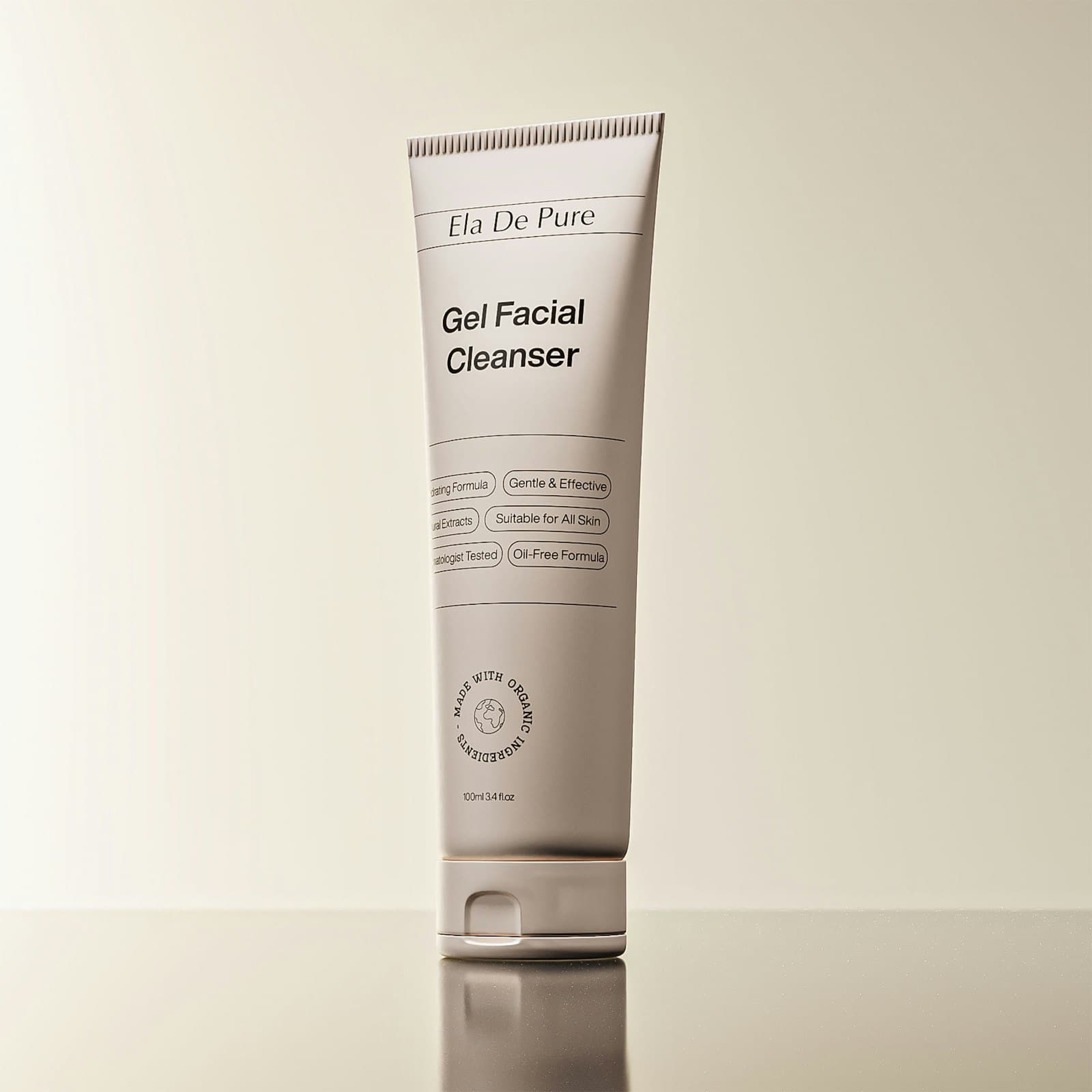
For the second step, pick a gentle, non-stripping water-based cleanser suited to your skin: a gel for oily skin, a cream or low-foam cleanser for dry or sensitive skin. Not sure which you have? Start with finding your skin type.
How to double cleanse, step by step
Start with dry hands and a dry face
Most cleansing oils and balms work best on dry skin. Water too early can make them emulsify before they've broken down makeup.
Massage in the oil or balm
Use one to two pumps of oil or a small scoop of balm. Gently massage over your face, including around the eyes if the product allows it, for about 30 to 60 seconds.
Emulsify and rinse
Add a little lukewarm water and keep massaging until the product turns milky, then rinse thoroughly. If using micellar water, gently press and sweep with a soft pad instead.
Follow with a water-based cleanser
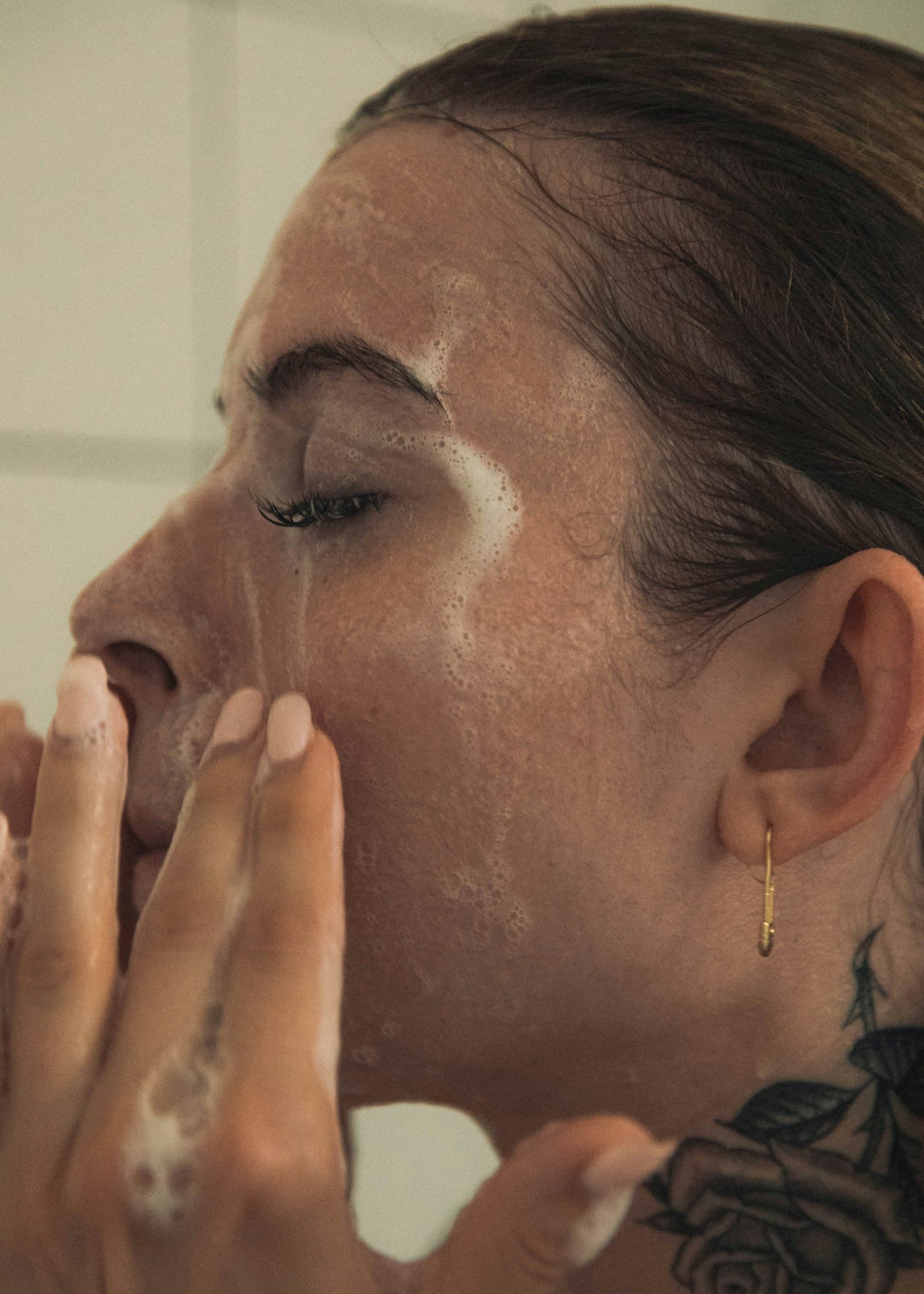
Lather a small amount of gentle cleanser in damp hands and massage for about 30 seconds, then rinse with lukewarm water.
Pat dry and moisturize
Pat your face dry with a clean towel and apply the rest of your routine while skin is still slightly damp. Our skincare routine order guide shows what comes next.

Common double cleansing mistakes
- Using two harsh cleansers: if both steps leave your skin squeaky and tight, your second cleanser is too strong.
- Scrubbing or rubbing hard: let the product do the work, especially around the eyes.
- Skipping the emulsify step: rinsing an oil cleanser without water mixing in can leave residue behind.
- Using very hot water: it can strip your skin's natural oils. Lukewarm is best.
- Cleansing too long: about a minute per step is plenty.
- Double cleansing morning and night by default: most people only need it in the evening.
Spotting the cleansers in viral routines
Double cleansing shows up in countless “get unready with me” and nighttime routine videos, but creators rarely name every product clearly. If you want to know which oil or balm someone used and how long they massaged it in, paste the video link into SaveAI to see each product and step. Then check whether it suits your skin type before buying.
Frequently asked questions
Should I double cleanse in the morning?
Usually not. Your skin hasn't been wearing makeup or sunscreen overnight, so a single gentle cleanse or even a water rinse is generally enough in the morning.
Is double cleansing good for acne-prone skin?
It can be, especially if you wear sunscreen or makeup, because it helps remove residue that might contribute to clogged pores. Choose non-comedogenic products and a gentle second cleanser, and stop if your skin becomes irritated.
Can I use micellar water as my only cleanser?
For light makeup or a quick cleanse, many people do. If you wear heavier makeup or water-resistant sunscreen, following it with a water-based cleanser or rinse removes leftover residue more thoroughly.
Do I need to double cleanse if I don't wear makeup?
If you wear sunscreen daily, especially water-resistant formulas, a double cleanse at night can help remove it fully. If you only use a light sunscreen and have dry or sensitive skin, one gentle cleanse is often enough.
This guide is for general information only and isn't medical advice. If you have a skin condition or a reaction to a product, talk to a dermatologist.
More guides in Skincare Basics