If you're searching for how to get rid of blackheads, you've probably already tried squeezing, strips or scrubs and watched them come right back. Blackheads are clogged pores, so the real fix is keeping pores clear consistently, not digging them out. Before you start, it's worth checking that they're blackheads at all, because many “blackheads” on the nose are actually normal sebaceous filaments.
Key takeaways
- Blackheads are clogged pores whose contents darken when exposed to air. They aren't dirt.
- Sebaceous filaments look similar but are a normal part of skin and can't be removed for good.
- Salicylic acid (BHA) and retinoids are the most effective at-home treatments.
- Squeezing can cause inflammation, scarring and stretched pores; leave extractions to professionals.
In this guide
What are blackheads?
A blackhead is a pore clogged with oil and dead skin cells that stays open at the surface. The dark color comes from the plug reacting with air, not from dirt.
They're most common on the nose, chin, forehead and sometimes the back and shoulders, especially on oily skin. Blackheads are a mild form of acne, so the same pore-clearing ingredients help.
Blackheads vs sebaceous filaments: how to tell them apart
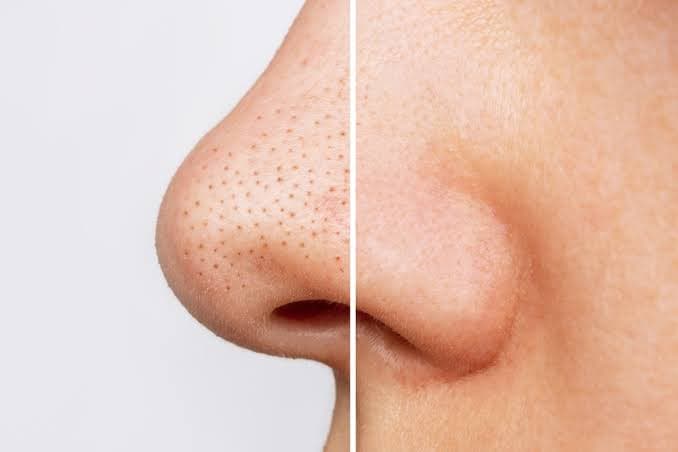
Sebaceous filaments are tiny, evenly spaced gray or tan dots, usually on the nose, that help guide oil to the skin surface. They're normal and refill within days if you squeeze them.
You can't get rid of sebaceous filaments, but the same BHA, niacinamide and oil-cleansing steps that treat blackheads can make them look smaller and lighter. Leave them alone otherwise: squeezing them only irritates skin and stretches pores.
| Blackheads | Sebaceous filaments | |
|---|---|---|
| Color | Dark brown or black | Gray, tan or yellowish |
| Look | Raised or clearly plugged, uneven sizes | Flat, small and evenly spaced |
| Where | Nose, chin, forehead, back | Mostly nose and inner cheeks |
| Can you get rid of them? | Yes, with consistent care | You can make them less visible, not remove them |
How do you get rid of blackheads at home?
The most effective approach is regular exfoliation with salicylic acid, plus gentle cleansing and, for stubborn blackheads, a retinoid. Expect to see a difference in four to eight weeks.
Cleanse gently
Wash morning and night with a mild cleanser. At night, an oil cleanser or cleansing balm can help loosen oil and sunscreen before your regular cleanser.
Use a BHA
Apply a salicylic acid toner, serum or leave-on gel to blackhead-prone areas. Start three times a week and build up to daily if your skin is comfortable.
Add a retinoid
On nights you don't use BHA, a retinol or adapalene helps keep pores from clogging. Avoid retinoids if you're pregnant or trying to conceive.
Try a clay mask weekly
Clay absorbs surface oil and can make blackheads look less obvious. Use it once or twice a week, not daily.
Moisturize and protect
Finish with a non-comedogenic moisturizer and daily SPF. Actives work better on skin that isn't irritated.
Mixing actives? Check our guide to skincare ingredients you shouldn't mix so your BHA and retinoid nights don't overlap.
Does oil cleansing help blackheads?
It can. Oil dissolves oil, so a cleansing oil or balm helps break down sunscreen, makeup and surface sebum. Gently massaging it in for a minute may loosen small plugs over time.
Choose a formula labeled non-comedogenic that emulsifies, meaning it turns milky with water and rinses clean. Follow it with a gentle water-based cleanser. Oil cleansing alone won't clear stubborn blackheads, but it pairs well with a BHA used afterward. Our double cleansing guide walks through the method.
If you've seen a viral oil-cleansing routine and want to know exactly what was used, paste the video link into SaveAI to get a list of every product and step.
Should you squeeze blackheads?
It's best not to. Squeezing with fingers or metal tools at home can push debris deeper, tear skin, cause inflammation and leave dark marks or scars.
Better options
- Daily or near-daily BHA.
- A retinoid a few nights a week.
- Professional extractions by a dermatologist or licensed esthetician.
- Patience: blackheads clear gradually.
Avoid
- Squeezing with fingers or nails.
- At-home extractor tools and suction devices without training.
- Frequent pore strips.
- Gritty scrubs and DIY baking soda masks.
How to keep blackheads from coming back
- Keep using BHA regularly, even after blackheads clear.
- Choose non-comedogenic moisturizers, sunscreens and makeup.
- Remove makeup and sunscreen every night.
- Wash pillowcases and makeup brushes often.
- Keep hair products away from your face where possible.
Consistency is the real secret. Blackheads form slowly and clear slowly, and most people who see them return after a few weeks simply stopped exfoliating once things looked better. Treat BHA as a long-term maintenance step, not a one-time fix. If your blackheads come with red, inflamed breakouts, follow our skincare routine for acne-prone skin instead.
Blackheads and visible pores often go together. For more ways to refine texture, read how to minimize pores.
Frequently asked questions
What dissolves blackheads?
Salicylic acid is the best-known blackhead ingredient because it's oil-soluble and works inside the pore. Retinoids help prevent new clogs from forming.
Do pore strips get rid of blackheads?
They remove the top of some blackheads temporarily, but pores refill within days. Frequent use can irritate skin, so regular BHA is a better long-term option.
Why do my blackheads keep coming back?
Your skin keeps making oil and shedding cells, so pores can clog again. Ongoing use of BHA or a retinoid is what keeps blackheads under control.
Are the dots on my nose blackheads or sebaceous filaments?
If they're small, flat, gray or tan and evenly spaced, they're likely sebaceous filaments, which are normal. Dark, raised plugs of different sizes are more likely blackheads.
This guide is for general information only and isn't medical advice. If you have a skin condition or a reaction to a product, talk to a dermatologist.
More guides in Skin Concerns