Knowing your skin type is the first step to choosing products that actually work for you. A cleanser that's perfect for oily skin can leave dry skin tight and flaky, and a rich cream that saves dry skin can clog oily pores. Here's how to find your skin type at home in under an hour, and what to look for in products once you know it.
Key takeaways
- There are five common skin types: oily, dry, combination, normal and sensitive.
- The bare-face test takes about 30 minutes and needs no special tools.
- Skin type is different from skin concerns like acne, dehydration or dark spots.
- Your skin type can shift with seasons, hormones and age, so re-test once in a while.
In this guide
The five skin types
| Skin type | How it looks and feels | Look for |
|---|---|---|
| Oily | Shiny all over by midday, visible pores, prone to breakouts | Gel cleansers, lightweight gel moisturizers, niacinamide, salicylic acid |
| Dry | Feels tight, may flake, looks dull, fine lines show more easily | Cream cleansers, ceramides, hyaluronic acid, richer moisturizers |
| Combination | Oily T-zone (forehead, nose, chin), normal or dry cheeks | Balanced formulas; use lighter products on the T-zone if needed |
| Normal | Comfortable, few breakouts, not noticeably oily or dry | Gentle basics; focus on SPF and any specific concerns |
| Sensitive | Stings, burns or turns red easily, reacts to new products | Fragrance-free, short ingredient lists, soothing ingredients like centella |
The bare-face test
This is the most reliable way to find your skin type at home.
Cleanse
Wash your face with a gentle cleanser and pat it dry.
Leave it bare
Don't apply any toner, serum or moisturizer.
Wait 30 minutes
Go about your normal activities indoors while your skin settles.
Check in natural light
Look at your skin near a window and notice how it feels.
- Shiny everywhere: you likely have oily skin.
- Tight, rough or flaky: you likely have dry skin.
- Shiny only on the forehead, nose and chin: you likely have combination skin.
- Comfortable and even: you likely have normal skin.
- Red, itchy or stinging even after a gentle cleanser: you may have sensitive skin.

The blotting sheet test
For a quicker check, gently press a blotting paper on different areas of your face about an hour after cleansing, then hold it up to the light. If it picked up a lot of oil from every area, your skin is oily. Oil only from the T-zone points to combination skin. Little or no oil means your skin is normal or dry, and if it also feels tight, it's most likely dry.
Skin type vs. skin concern
Your skin type describes how much oil your skin naturally produces and how it reacts. Skin concerns are conditions you can have with any type, like acne, hyperpigmentation, fine lines or dehydration.
Building a routine for your skin type
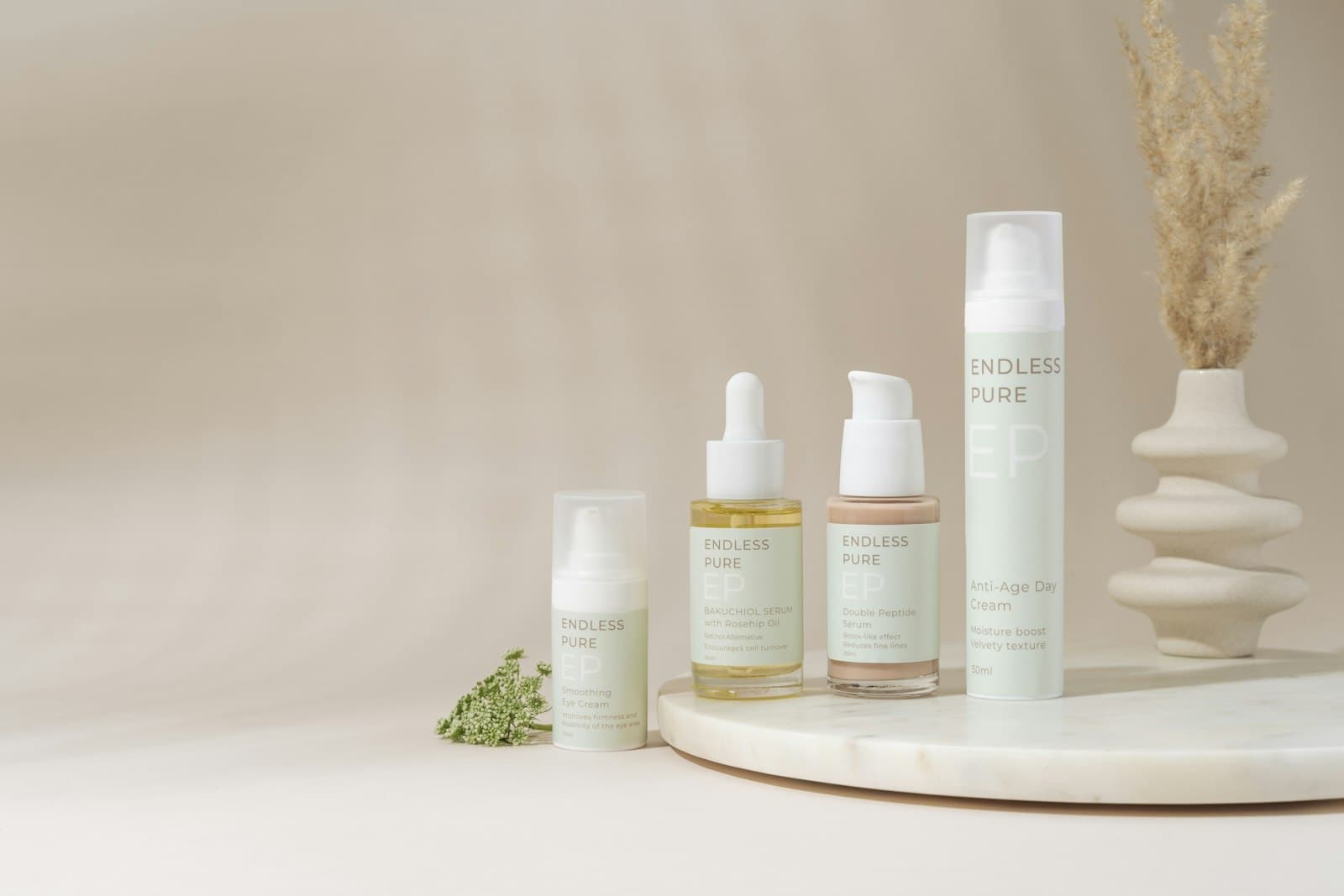
Once you know your skin type, keep the routine simple and build from there. A cleanser, a moisturizer and daily sunscreen chosen for your type will make a bigger difference than a shelf full of trending serums. When you see a product going viral on TikTok, check whether it's made for your skin type before you buy. You can paste the video into SaveAI to see exactly which products were used and how.
When to see a dermatologist
See a dermatologist if you have persistent redness, painful or cystic acne, patches that itch or scale, or if your skin reacts to almost everything. These can be signs of conditions like rosacea, eczema or dermatitis that need proper diagnosis and treatment.
Frequently asked questions
Can your skin type change?
Yes. Hormones, age, climate, seasons and medications can all change how oily or dry your skin is. It's worth repeating the bare-face test every few months or when your skin starts behaving differently.
Is sensitive skin a skin type?
Sensitive skin is often listed as a skin type, but it can occur alongside any other type. You can have oily sensitive skin or dry sensitive skin, for example.
What is the most common skin type?
Combination skin is one of the most common skin types, with an oilier T-zone and normal to dry cheeks.
Does oily skin need moisturizer?
Yes. Oily skin still needs hydration. A lightweight, oil-free gel moisturizer helps keep the skin barrier healthy without adding shine.
This guide is for general information only and isn't medical advice. If you have a skin condition or a reaction to a product, talk to a dermatologist.
More guides in Skincare Basics