Sunscreen myths spread fast, especially in short videos, and they can leave you with sun damage you didn't see coming. Some sound logical, like skipping SPF when it's cloudy, while others are simply outdated. Here are seven of the most common, with what dermatologists actually recommend.
Key takeaways
- Every skin tone can burn, develop sun damage and get skin cancer.
- UV rays pass through clouds and most window glass, so daily sunscreen matters.
- Higher SPF doesn't last longer: reapplication still matters.
- A tan is a sign of skin damage, not protection.
In this guide
- 01Myth 1: People with dark skin don't need sunscreen
- 02Myth 2: You don't need sunscreen on cloudy days
- 03Myth 3: You're safe from the sun indoors
- 04Myth 4: The SPF in your makeup is enough
- 05Myth 5: A higher SPF means you're covered all day
- 06Myth 6: Sunscreen causes vitamin D deficiency
- 07Myth 7: A base tan protects you from sunburn
- 08Frequently asked questions
Myth 1: People with dark skin don't need sunscreen
Melanin does offer some natural protection, but nowhere near enough to prevent all sun damage. People with deep skin can still burn, and UV exposure worsens hyperpigmentation and melasma, which are often a bigger concern for darker skin.
Skin cancer is less common in people with darker skin, but when it does happen it is often found later, when it is harder to treat. Dermatologists recommend broad-spectrum SPF 30+ for everyone. Tinted formulas can also help with visible light, which is linked to dark spots. Learn more in our guide on how to fade dark spots.
White cast is a common reason people with deeper skin tones skip sunscreen. Today there are many sheer chemical, hybrid and tinted mineral options that blend in. Our mineral vs chemical sunscreen guide explains which types are least likely to leave a cast. Also check your skin regularly, including palms, soles and under nails, and see a dermatologist about any spot that changes.
Myth 2: You don't need sunscreen on cloudy days
The same goes for cold weather. Temperature has nothing to do with UV, which is why skiers and snowboarders can burn badly in winter, and why UV is stronger at higher altitudes.
Clouds block some UV, but a large share still gets through, even on overcast days. Many people get surprise sunburns on cool, cloudy days precisely because they skipped protection. Snow, sand and water also reflect UV, increasing exposure.
A simple habit fixes this: make sunscreen part of your morning routine whatever the weather. Checking the daily UV index in your weather app is a helpful way to know when to be extra careful.

Myth 3: You're safe from the sun indoors
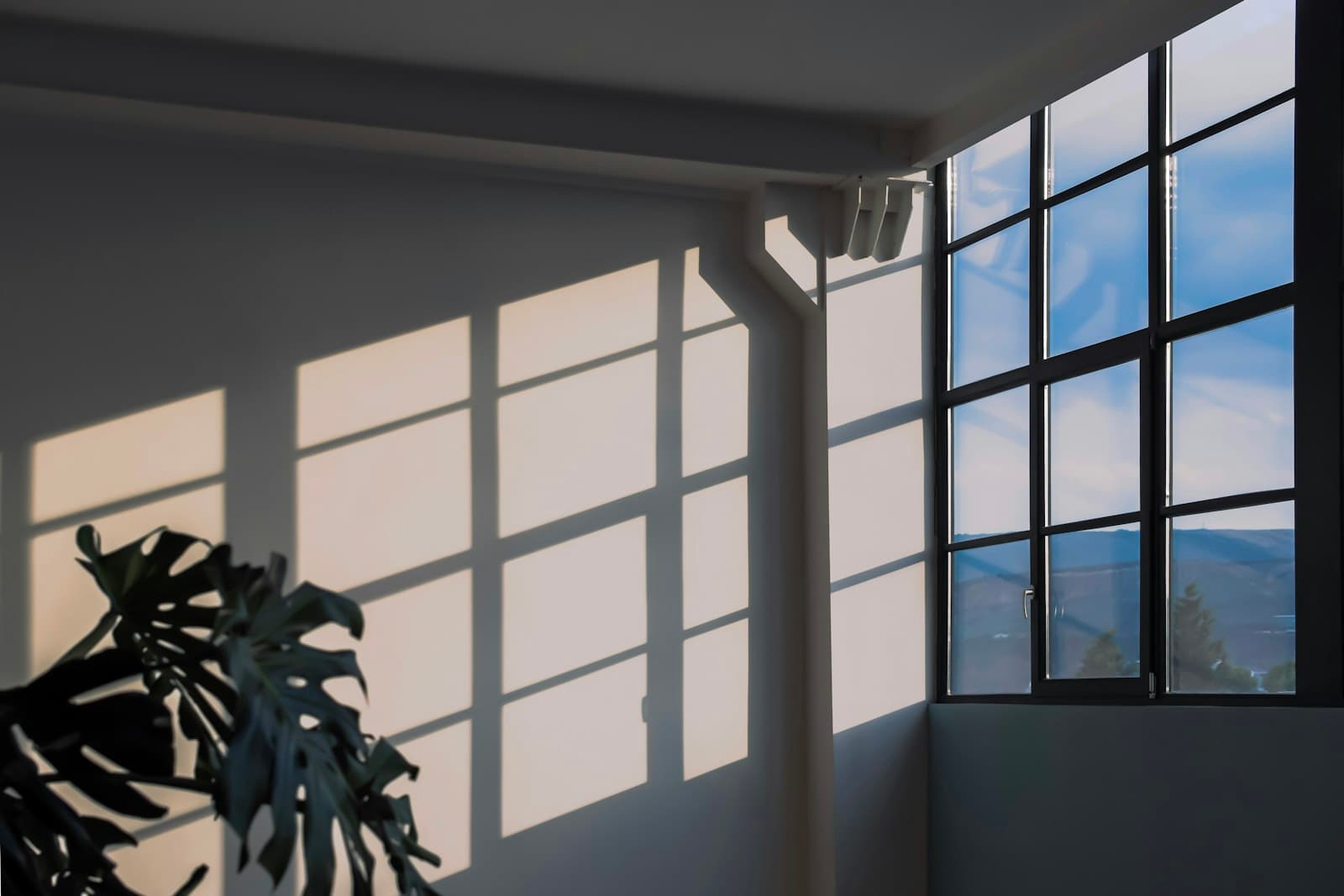
Most standard window glass blocks UVB, the burning rays, but lets much of UVA through. UVA is linked to wrinkles, dark spots and skin cancer. If you sit near windows at work, at home or while driving, apply sunscreen in the morning.
Screens and indoor lights are not a major source of UV, so you don't need sunscreen for your phone or laptop. The concern is daylight coming through glass.
If you stay well away from windows all day, the risk is low. Car windshields are usually treated to block more UV than side windows, which is why sun damage often shows up more on the side of the face closest to the driver's window.
Myth 4: The SPF in your makeup is enough
To get the SPF on a foundation label, you would need to apply roughly the same amount you'd use of sunscreen, about 1/4 teaspoon for your face. Nobody wears that much foundation, and it often isn't spread evenly. Treat makeup SPF as a bonus layer, not your main protection.
Apply real sunscreen first
Use a full dose, as explained in how much sunscreen to use.
Let it set
Wait a few minutes so your base goes on smoothly.
Add your SPF makeup on top
It adds a little extra protection and coverage.
Reapply when outdoors
Use a spray, stick or cushion every two hours. See how to reapply sunscreen over makeup.
Myth 5: A higher SPF means you're covered all day
SPF tells you how strong protection is, not how long it lasts. Every sunscreen wears off with sweat, water, touching and time in the sun, so the two-hour reapplication rule applies to SPF 30 and SPF 100 alike.
| SPF | Approximate UVB filtered | Still need to reapply? |
|---|---|---|
| SPF 15 | About 93% | Yes, every two hours outdoors |
| SPF 30 | About 97% | Yes, every two hours outdoors |
| SPF 50 | About 98% | Yes, every two hours outdoors |
Higher SPFs can be worth it for fair, burn-prone skin or long outdoor days, but only if you apply them generously and reapply on schedule. Our guide on how to choose a sunscreen for your face explains what else to look for.
Myth 6: Sunscreen causes vitamin D deficiency
In real life, people don't apply sunscreen perfectly or cover every inch of skin, and studies of regular sunscreen users generally haven't found that it causes vitamin D deficiency. The AAD recommends getting vitamin D from food and supplements rather than unprotected sun.
Foods like fatty fish, eggs, and fortified milk, plant milks and cereals all contribute vitamin D. These sources give you what you need without the skin cancer and aging risks that come with deliberately going unprotected in the sun.
Myth 7: A base tan protects you from sunburn
A tan is your skin's response to UV damage. Any protection it adds is tiny, far less than even a low-SPF sunscreen, and getting that tan, whether outdoors or in a tanning bed, increases your risk of skin cancer and premature aging.
- Want a glow? Self-tanners give color without UV, though they don't protect you either.
- Seek shade between late morning and mid-afternoon, when UV is usually strongest.
- Wear a wide-brimmed hat, sunglasses and UV-protective clothing.
- Use broad-spectrum SPF 30+ on all exposed skin and reapply.
Heard one of these myths in a skincare video? Paste the video link into SaveAI to identify the products shown, then use this guide to judge the advice for yourself.
Frequently asked questions
Do you need sunscreen if you have dark skin?
Yes. Darker skin can still burn and develop sun damage, dark spots and skin cancer. Dermatologists recommend broad-spectrum SPF 30 or higher for every skin tone.
Do you need sunscreen on cloudy days?
Yes. A large share of UV passes through clouds, so wear sunscreen whenever you'll be outside, whatever the weather.
Can UV rays go through windows?
Yes. Most standard glass blocks UVB but lets much of UVA through, so wear sunscreen if you sit near windows or drive a lot.
Is SPF 100 better than SPF 50?
Only slightly. The difference in UVB filtered is small, and both need the same generous application and reapplication every two hours outdoors.
This guide is for general information only and isn't medical advice. If you have a skin condition or a reaction to a product, talk to a dermatologist.
More guides in Sun Protection