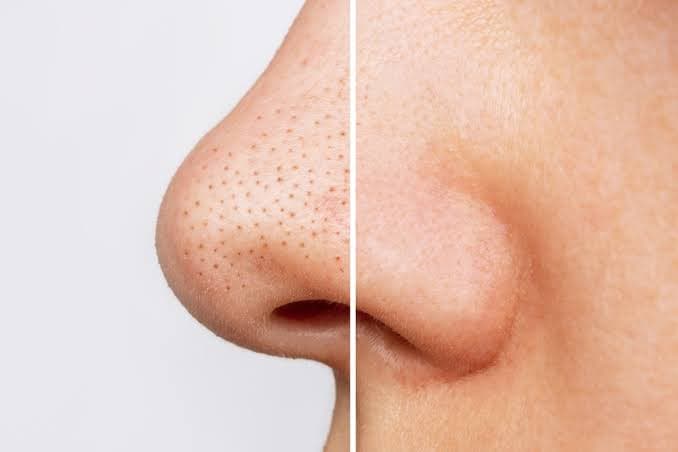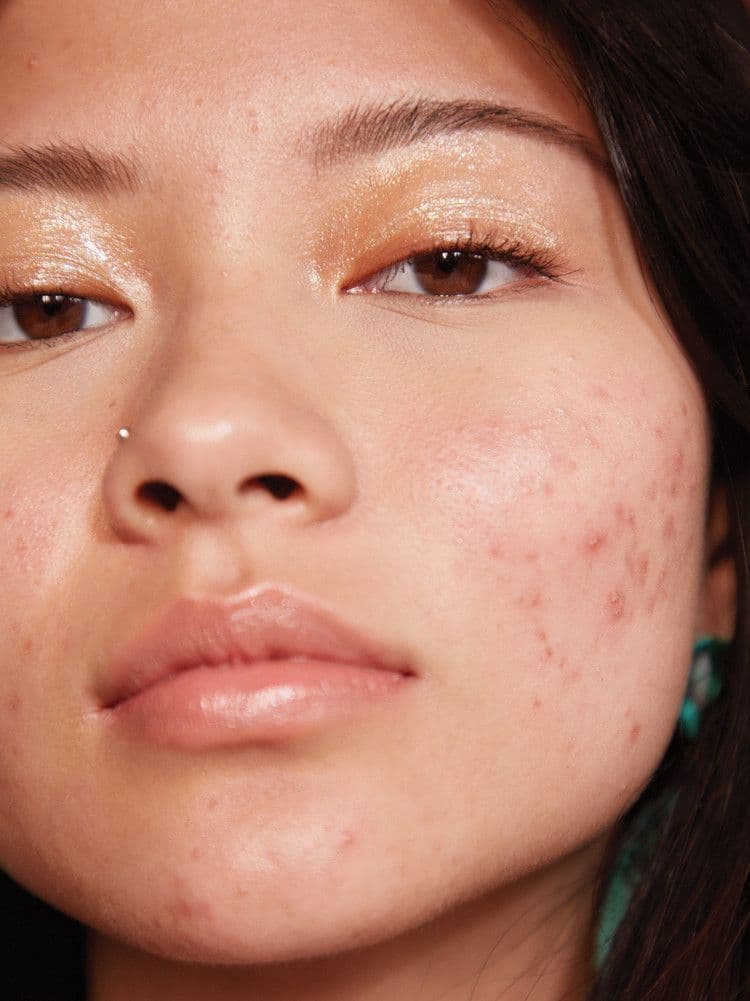
Salicylic acid is the go-to ingredient for blackheads, clogged pores and breakouts, and it's in everything from cleansers to toners and serums. It's a beta hydroxy acid (BHA), and unlike most exfoliants, it's oil-soluble, so it can work inside the pore instead of only on the surface. It's also easy to overuse. Here's what it actually does, which format to pick and how to use it without drying your skin out.
Key takeaways
- Salicylic acid is an oil-soluble exfoliant that clears dead skin and oil from inside pores.
- Best for oily, acne-prone skin and blackheads. Most over-the-counter products use 0.5% to 2%.
- Start 2 to 3 times a week and build up. Daily use is fine only if your skin stays comfortable.
- Don't layer it with other strong acids or retinoids on the same night, and wear sunscreen daily.
In this guide
What salicylic acid does
| Benefit | Why it happens |
|---|---|
| Fewer blackheads and clogged pores | It dissolves in oil, so it gets into pores and loosens the mix of sebum and dead skin that clogs them |
| Fewer breakouts | Keeping pores clear means fewer blocked follicles that turn into pimples |
| Smoother texture | It exfoliates the surface, so bumpy skin feels smoother |
| Calmer-looking spots | It's related to aspirin and has mild anti-inflammatory properties |
For the full picture on clogged pores, see our guides to getting rid of blackheads and an acne skincare routine.
Cleanser, toner or serum: which to choose
| Format | Strength of effect | Best for |
|---|---|---|
| Cleanser | Mild, since it's rinsed off | Beginners, sensitive or dry-but-congested skin |
| Toner or pads | Medium | Oily skin and blackheads on the nose and chin |
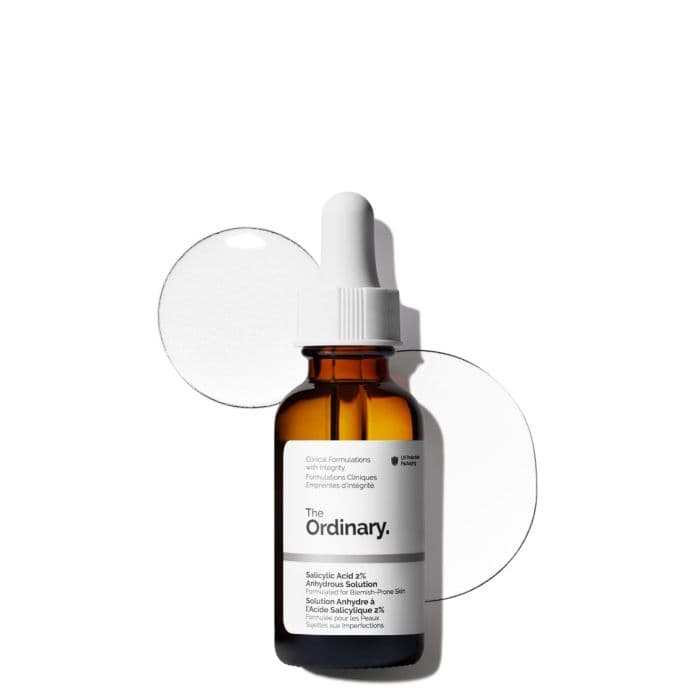
| Leave-on serum (around 2%) | Strongest | Persistent clogged pores and breakouts |
| Spot treatment | Targeted | Single breakouts |
On SaveAI you'll find examples in creator routines, like the Anua BHA 2% Gentle Exfoliating Toner in @charinecheungg's top 10, the Minimalist Salicylic Acid 2% serum and the Anua Heartleaf BHA cleansing foam.
How to use salicylic acid
Pick one salicylic product
A cleanser or a leave-on, not both at first. Using several BHA products at once is the most common cause of dryness.
Apply on clean, dry skin
For leave-ons, use a few drops or one swipe of a toner pad after cleansing, before thicker serums and moisturizer.
Start 2 to 3 times a week
Use it in the evening. After 2 to 3 weeks without irritation, you can increase to every other day or daily.
Moisturize
Follow with a simple moisturizer. Salicylic acid can be drying, and hydrated skin tolerates it better.
Wear sunscreen
Exfoliated skin is more vulnerable to sun damage, so use SPF 30 or higher every morning.
Pairs well with
- Niacinamide
- Hyaluronic acid and glycerin
- Ceramide moisturizers
- Soothing ingredients like centella
Use on a different night from
- Retinol and other retinoids
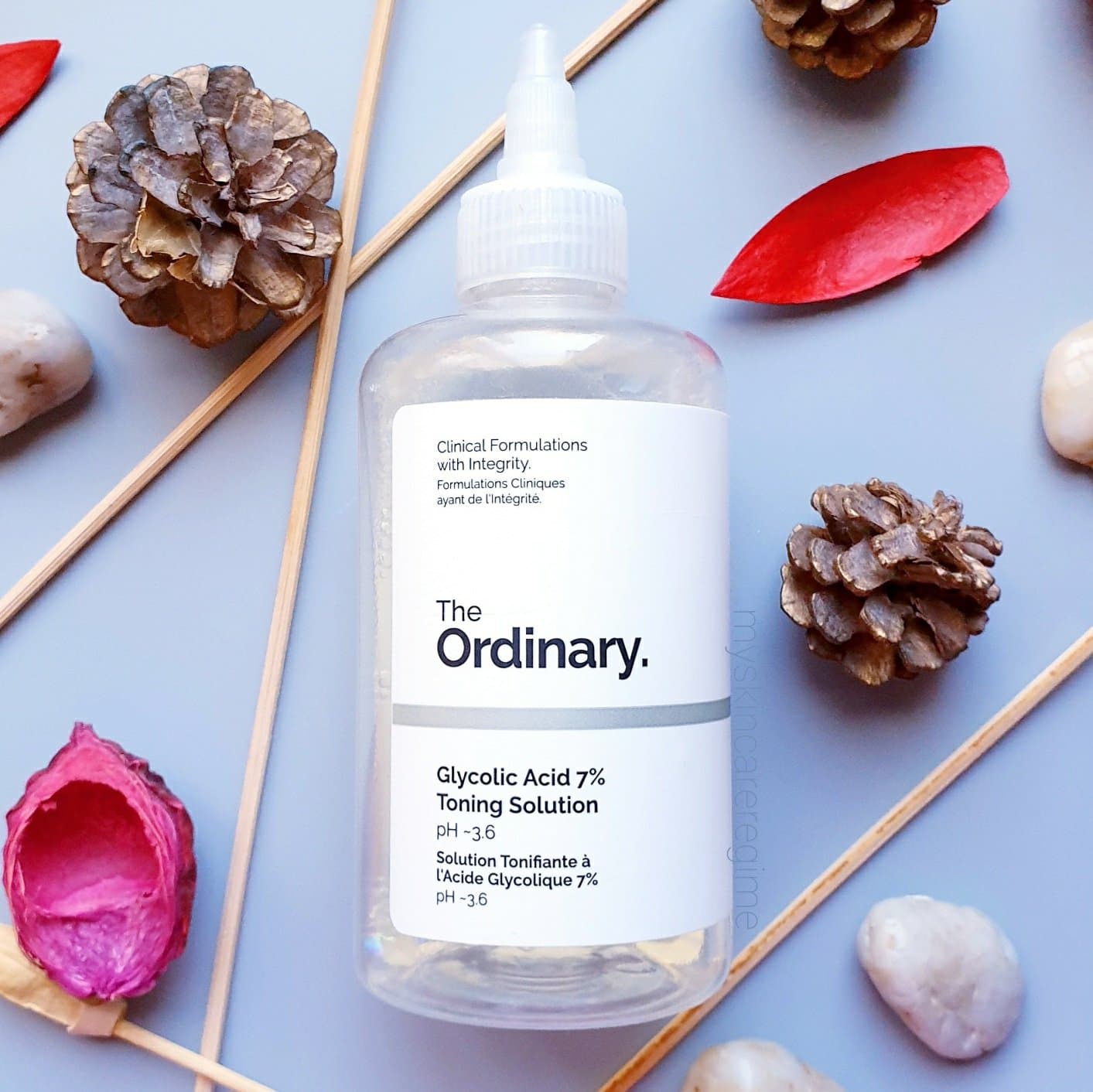
- Glycolic or other strong AHAs
- Benzoyl peroxide, if your skin gets dry
- Physical scrubs
Side effects and purging
Mild dryness or flaking is the most common side effect. Some people also get a short phase of extra small breakouts in areas where they usually break out, often called purging. It typically settles within 4 to 6 weeks. Breakouts in new areas, burning or rash mean the product doesn't suit you.
Frequently asked questions
Can I use salicylic acid every day?
Many people can, especially in a cleanser. With leave-on products, start 2 to 3 times a week and build up only if your skin stays comfortable.
How long does salicylic acid take to work?
Blackheads and texture often look better within 2 to 4 weeks. Acne usually takes 6 to 8 weeks of steady use.
Is salicylic acid good for dry skin?
It can be drying, so dry skin usually does better with a salicylic cleanser used a few times a week and a rich moisturizer.
What's the difference between BHA and AHA?
BHAs like salicylic acid dissolve in oil and work inside pores. AHAs like glycolic acid dissolve in water and work on the surface for dullness and texture.
Can I use salicylic acid and niacinamide together?
Yes. They're a common pairing for oily, acne-prone skin.
This guide is for general information only and isn't medical advice. If you have a skin condition or a reaction to a product, talk to a dermatologist.
More guides in Ingredients