Glycolic acid is the most popular alpha hydroxy acid (AHA), and it's the ingredient behind a lot of "glow" toners, pads and peels. It's the smallest AHA molecule, so it works quickly on the surface of the skin, loosening dead cells to reveal smoother, brighter skin. That speed is also why it's easy to overdo. Here's what it does, which strength to pick and how to use it safely.
Key takeaways
- Glycolic acid exfoliates the skin's surface, helping with dullness, rough texture and uneven tone.
- For home use, start with a 5% to 10% leave-on product, or a rinse-off cleanser or mask.
- Use it at night, 2 to 3 times a week to begin with.
- AHAs make skin more sensitive to the sun, so daily SPF 30 or higher is essential.
In this guide
What glycolic acid does
| Benefit | What to expect |
|---|---|
| Smoother texture | Rough patches and bumps feel softer within a few uses |
| Brighter skin | Removing dull surface cells makes skin reflect light better |
| More even tone | Over weeks, it helps fade the look of dark spots and post-acne marks |
| Better product absorption | Skincare spreads more evenly on smooth skin |
For more on fading marks, see our guide to fading dark spots.
Which strength and format to start with
| Product type | Typical strength | Who it suits |
|---|---|---|
| Cleanser | Low, rinsed off | Beginners and sensitive skin |
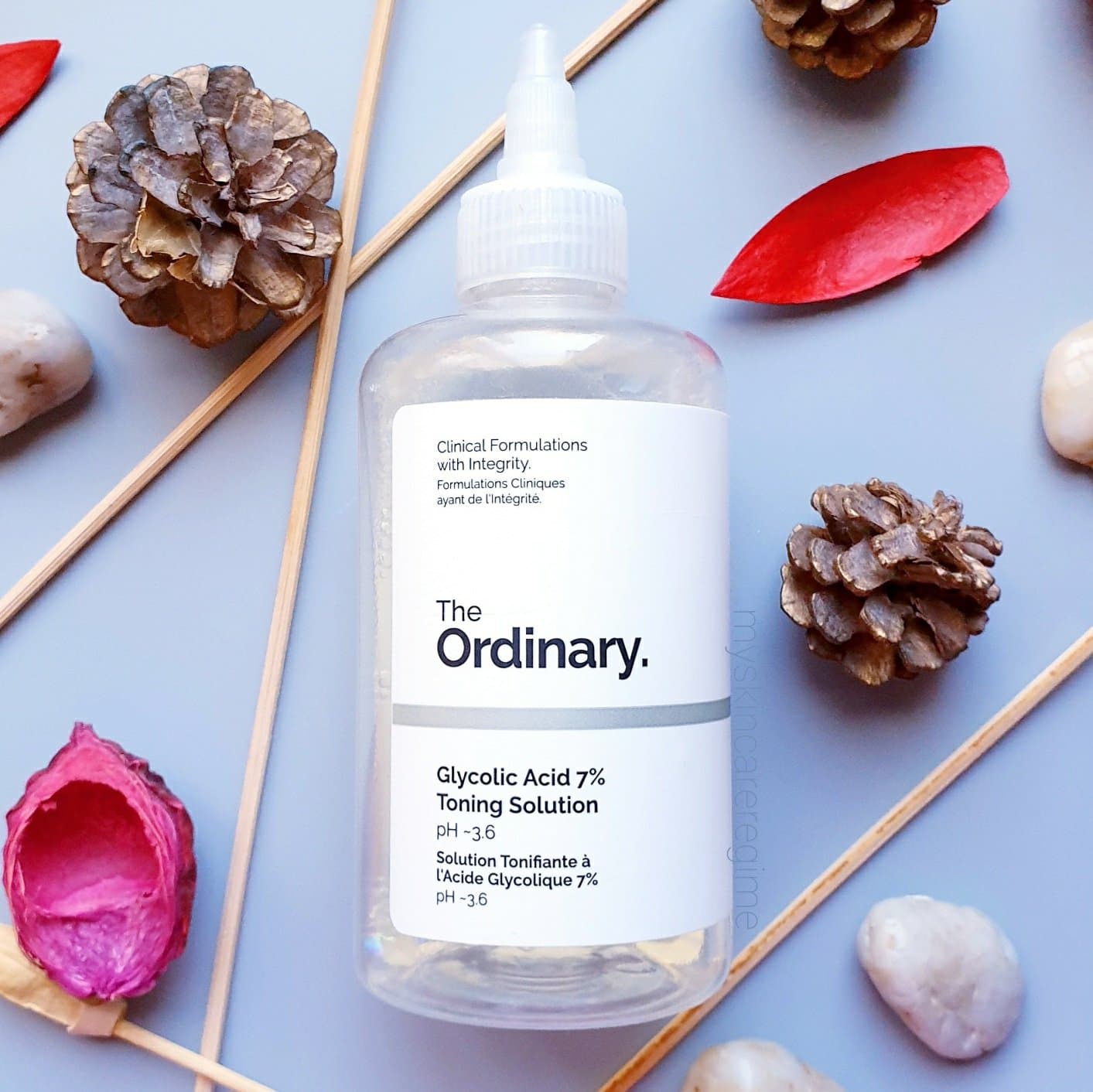
| Toner or pads | Around 2% to 7% | Most skin types, as a regular exfoliant |
| Serum | Around 5% to 10% | Normal, oily or sun-damaged skin used to acids |
| Rinse-off mask or peel | 10% and higher | Experienced users, once a week at most |
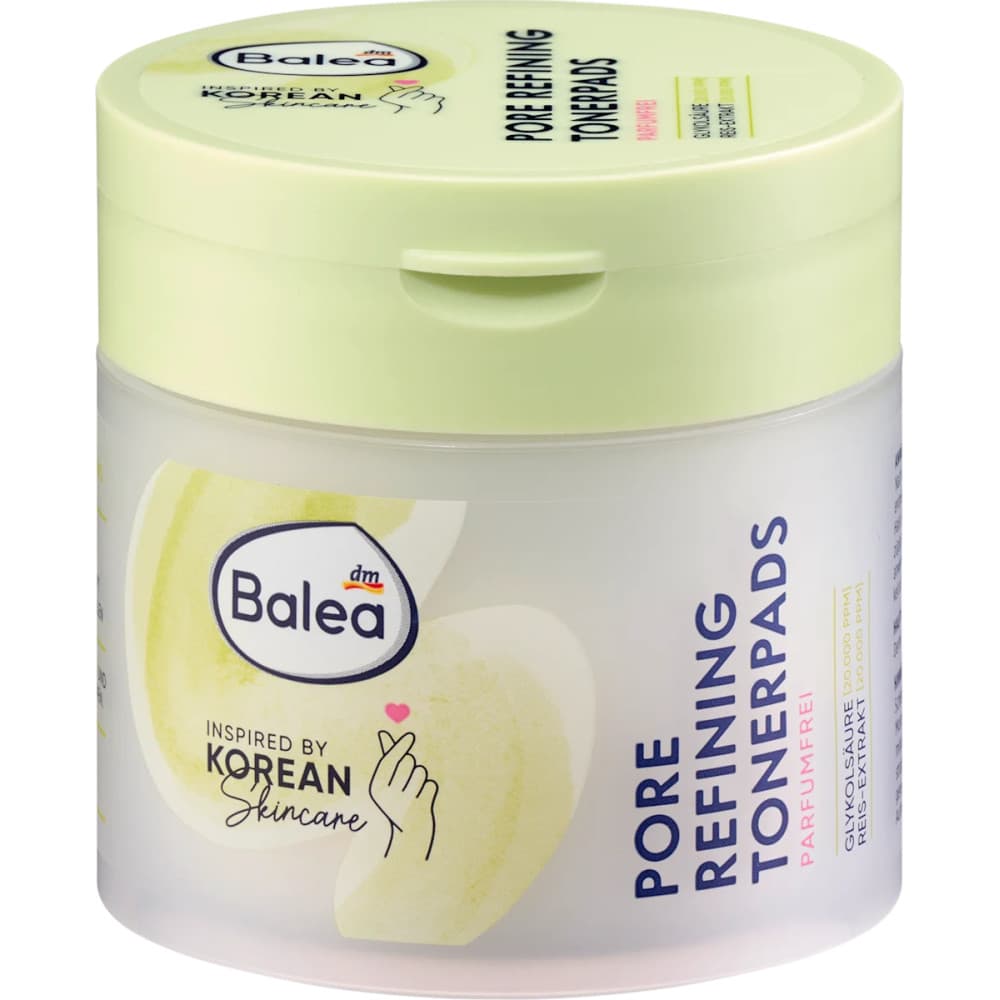
Examples from SaveAI creator routines include Thayers Exfoliating AHA pads, the Arencia Eraser Shot glycolic acid booster and the REN Glycolic Lactic Radiance Renewal Mask. For a step-by-step with a specific product, see how to use Balea toner pads.
How to use glycolic acid
Cleanse and dry your skin
Acids sting more on damp skin, so pat dry and wait a minute.
Apply a thin layer
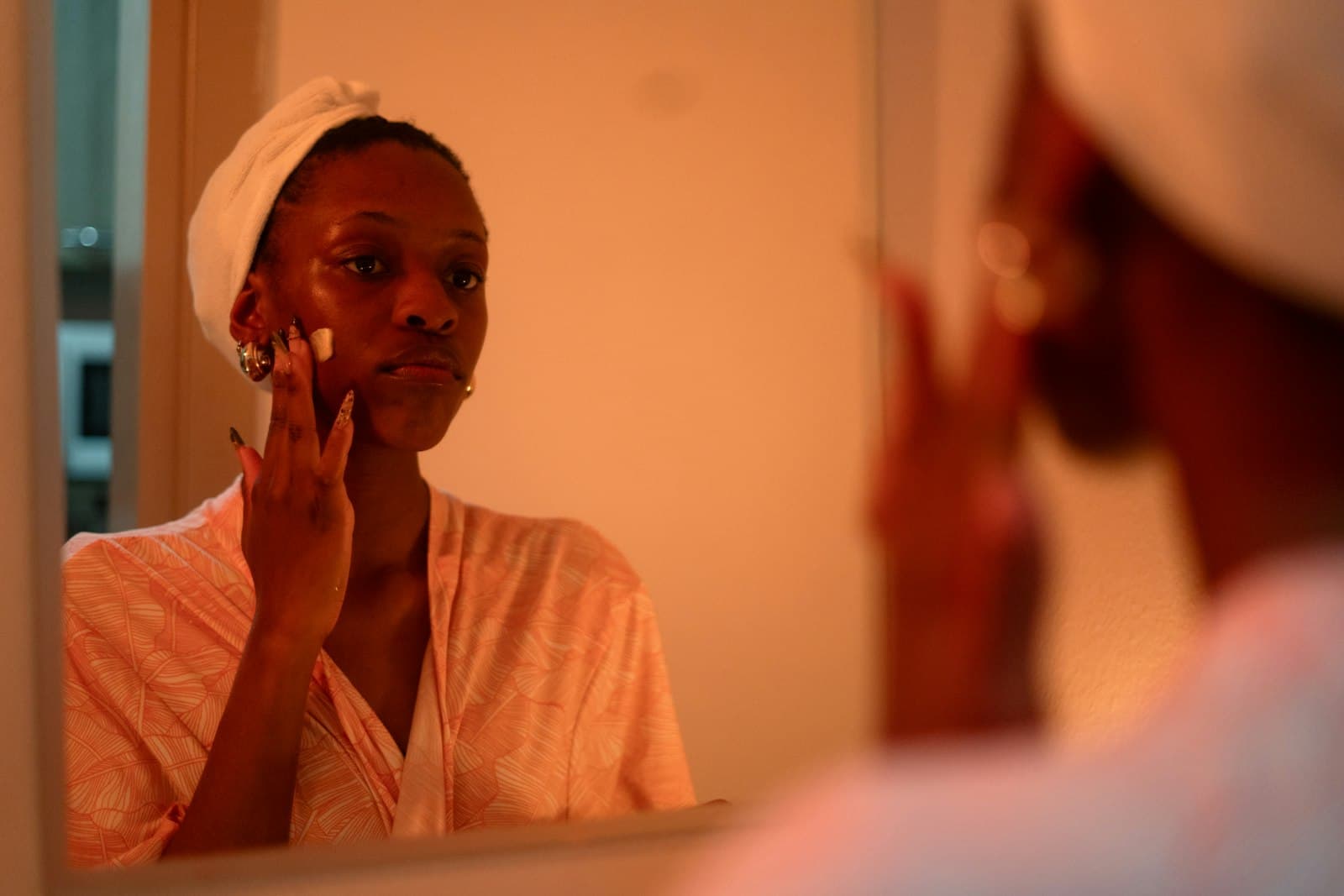
Swipe a pad or press a few drops of serum over the face. Avoid the eyes, lips and corners of the nose.
Wait a minute
A light tingle is normal. Burning or strong stinging means it's too strong for you right now.
Moisturize
Follow with a gentle, hydrating moisturizer.
Protect in the morning
Wear SPF 30 or higher every day, including the days you don't use the acid.
Start 2 to 3 nights a week. If your skin stays calm after a few weeks, you can go to every other night. Many people never need more than that. If you use several actives, skin cycling is an easy schedule.
Who should be careful
- Very sensitive skin, rosacea or eczema: try lactic or mandelic acid instead, which are gentler AHAs.
- Deeper skin tones prone to dark marks: start low and slow, since irritation can leave dark spots.
- Anyone using retinoids: keep them on different nights.
- Before waxing, laser or a peel: stop a few days before, or as your practitioner advises.
Frequently asked questions
Can I use glycolic acid every day?
Low-strength products can work daily for some people, but most do best with 2 to 4 times a week.
Should I use glycolic acid in the morning or at night?
At night is easiest. If you use it in the morning, sunscreen is essential.
Can I use glycolic acid with retinol?
Not on the same night when you're starting out. Alternate nights to avoid irritation.
Can I use glycolic acid with vitamin C?
It's simplest to use vitamin C in the morning and glycolic acid at night.
Do I need to rinse glycolic acid toner off?
No. Leave-on toners, pads and serums stay on. Only cleansers, masks and peels labeled as rinse-off are washed off.
This guide is for general information only and isn't medical advice. If you have a skin condition or a reaction to a product, talk to a dermatologist.
More guides in Ingredients