Knowing how to spot fake skincare products matters more than ever, because the more viral a product gets, the more likely it is to be copied. Counterfeits can look almost identical to the real thing, but what's inside is unknown and untested. Here's how to check packaging, codes, price and sellers, and what to do if you think you've been fooled.
Key takeaways
- Counterfeit skincare can contain unknown, contaminated or irritating ingredients.
- Check packaging details, batch codes, texture and scent against the genuine product.
- A price that seems too good to be true usually is.
- Buy from the brand or its authorized retailers, and be careful with third-party marketplace sellers.
In this guide
Why are fake skincare products dangerous?
Fake skincare is risky because nobody knows what's in it. Counterfeits aren't made under the same safety and quality controls as genuine products, so they may contain the wrong ingredients, the wrong amounts or contamination.
- Irritation, rashes or allergic reactions from unlisted ingredients
- Bacterial or mold contamination from unhygienic production
- Missing or weakened actives, so the product simply doesn't work
- Sunscreens that may not deliver the protection on the label, leaving you exposed
- Eye infections from contaminated eye creams or makeup
How to check packaging for signs of a fake
The easiest way to spot a fake is to compare it with photos on the brand's official website or with a product you know is genuine. Counterfeiters often get small details wrong.
Pay attention once you open it, too. If you've used the product before, you'll often notice something is off right away: a pump that sprays differently, a cream that feels greasier, a stronger or chemical smell, or a serum that's a different color. Trust that instinct. Skincare formulas can be updated, so check the brand's site for reformulation news, but unexplained changes are a good reason to stop and investigate.
| What to check | Genuine product | Possible fake |
|---|---|---|
| Printing | Sharp text, consistent fonts and colors | Blurry print, spelling errors, off-shade colors |
| Box and seal | Neat folds, intact seal or shrink wrap where expected | Flimsy box, glue marks, missing or loose seal |
| Container | Solid feel, smooth pump or cap | Lightweight, rough edges, cap doesn't fit well |
| Label info | Full ingredient list, manufacturer details, batch code | Missing details, stickers over text, list doesn't match the brand's |
| Product inside | Matches the usual color, texture and scent | Odd smell, separated, runny or a different color |
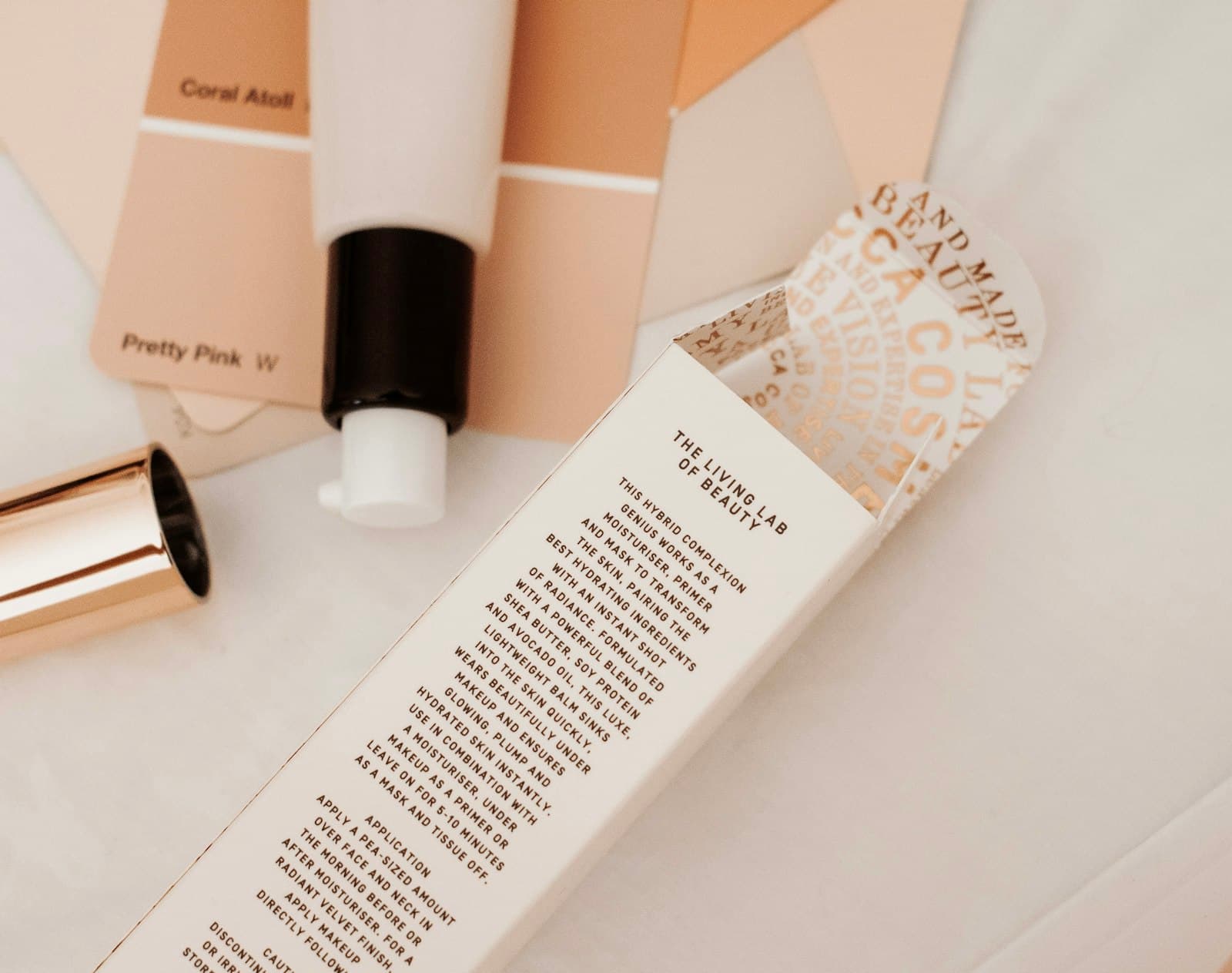
What is a batch code and how do you check it?
A batch code (also called a lot number) is a short string of letters and numbers that identifies when and where a product was made. Genuine products almost always have one.
Find the code on both box and container
Look on the bottom of the container, the crimp of a tube and the outer box. The codes should match.
Check it's printed, not stuck on
Codes are usually stamped or laser-printed. A missing code, a scratched-off code or a sticker covering it is a red flag.
Use a batch code checker
Independent online batch code tools can decode the manufacture date for many brands. Results aren't definitive, but a code that returns nothing is worth questioning.
Contact the brand
If you're unsure, send the brand a photo of the code and packaging. Many will tell you whether it's genuine.
A real code doesn't guarantee authenticity, because counterfeiters sometimes copy codes from genuine products. Use it as one check among several. The batch code also helps you work out a product's age, which matters because actives like vitamin C and some sunscreen filters can lose effectiveness over time. Check the period-after-opening symbol, a small open jar icon with a number like 12M, to see how long it lasts once opened.
Where is it safe to buy skincare online?
The safest places are the brand's own website and its authorized retailers, which many brands list on their site. Risk goes up with third-party sellers on large online marketplaces, social media shops and auction sites.
Safer signs
- Sold directly by the brand or a listed authorized retailer
- Price is close to the brand's usual retail price
- Clear return policy and real contact details
- Seller has a long history of detailed, varied reviews
Red flags
- Steep discounts on a new or hard-to-find viral product
- Stock photos only, or photos that don't match the listing
- Seller ships from a location that doesn't fit the listing
- Reviews mention smell, texture or packaging that “seems different”
What should you do if you bought fake skincare?
Stop using it right away. Even if it seems fine, you can't be sure what's in it.
- Rinse your skin with lukewarm water and a gentle cleanser if you've just applied it.
- Watch for redness, swelling, burning or itching. For severe reactions, swelling of the face or lips, trouble breathing or an eye injury, seek medical care immediately.
- Take photos of the product, packaging, batch code, listing and receipt.
- Request a refund from the seller and report the listing to the marketplace or payment provider.
- Let the brand know. They track counterfeits and may help with next steps.
- Once your skin has settled, follow our skin barrier repair guide to help it recover.
Frequently asked questions
How can I tell if my skincare is fake?
Compare the packaging, printing, batch code, texture and scent with the genuine product or the brand's official photos. If several details are off or the seller is unknown, treat it as suspicious.
Can fake skincare products damage your skin?
Yes. Counterfeits may contain unlisted, irritating or contaminated ingredients that can cause rashes, allergic reactions or infections.
Are skincare products from online marketplaces fake?
Not always, but the risk is higher with third-party sellers. Buy from the brand's own store on the marketplace or from an authorized retailer when you can.
Does a batch code prove a product is real?
No. A batch code is a useful check, but counterfeiters can copy real codes. Combine it with packaging, price and seller checks.
This guide is for general information only and isn't medical advice. If you have a skin condition or a reaction to a product, talk to a dermatologist.
More guides in TikTok & Trends