Learning how to get glass skin starts with one idea: deeply hydrated, calm skin reflects light evenly, which creates that smooth, see-through glow. The look comes from Korean skincare, where gentle layering of hydrating products is a core habit. This guide covers the full routine, a simpler version for busy days and an honest look at what's skin and what's lighting.
Key takeaways
- Glass skin is about hydration, a healthy barrier and even texture, not a single product.
- The routine layers light, watery products from thinnest to thickest.
- A simplified 4 to 5 step version can get you most of the way there.
- Many glass skin videos use lighting, filters or highlighter, so set realistic expectations.
In this guide
What is glass skin?
Glass skin describes a complexion that looks so smooth, plump and hydrated it seems almost translucent, like a pane of glass. It's not about being shiny from oil. It's the glow of well-hydrated skin with a healthy barrier.
Three things create the effect: hydration, which plumps the surface; a calm, healthy barrier with little redness; and even texture, which lets light reflect uniformly. Most of a glass skin routine targets the first two, with gentle exfoliation helping the third.
Korean skincare tends to favor gentle, consistent steps over harsh, fast-acting ones. Instead of scrubbing or stripping the skin, the focus is on adding water back in layer by layer, protecting the barrier and wearing sunscreen daily. That philosophy is useful whatever your goal, even if you never aim for a full glass skin finish.
Is glass skin realistic?
Healthier, glowier skin is realistic for most people. Perfectly poreless, filter-smooth skin is not, for anyone.
Genetics, age, hormones and conditions like acne or rosacea all play a part. Aim for your own skin at its most hydrated and calm, rather than an edited image. If texture is your main concern, our guide on how to minimize pores explains what actually helps.
The full Korean glass skin routine, step by step
The full routine layers lightweight, hydrating products, each one adding a little moisture. Apply from thinnest to thickest, and give each layer a moment to absorb. If you're not sure where each product belongs, our skincare routine order guide breaks it down.
Oil cleanser (evening)
Dissolve sunscreen, makeup and excess oil with a cleansing oil or balm. Learn more in our double cleansing guide.
Gentle water-based cleanser
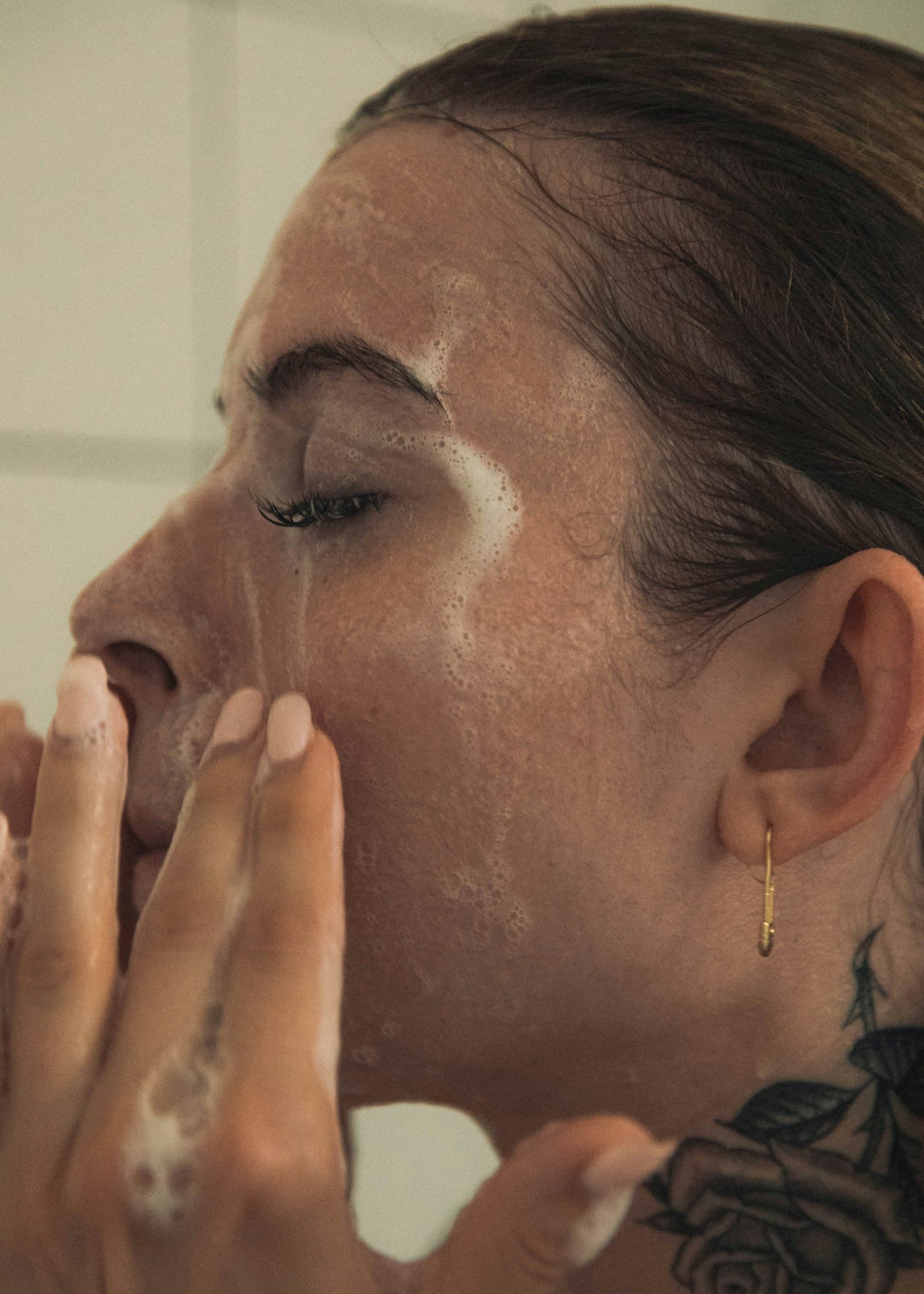
Follow with a low-pH, non-stripping cleanser. Your skin should feel clean, not tight.
Hydrating toner
Pat in a watery, alcohol-free toner. Some people layer it two or three times on dry days for an extra boost of hydration.
Essence
Essences are thin, hydrating liquids, often with ingredients like fermented extracts, glycerin or panthenol. Press into skin with your palms.
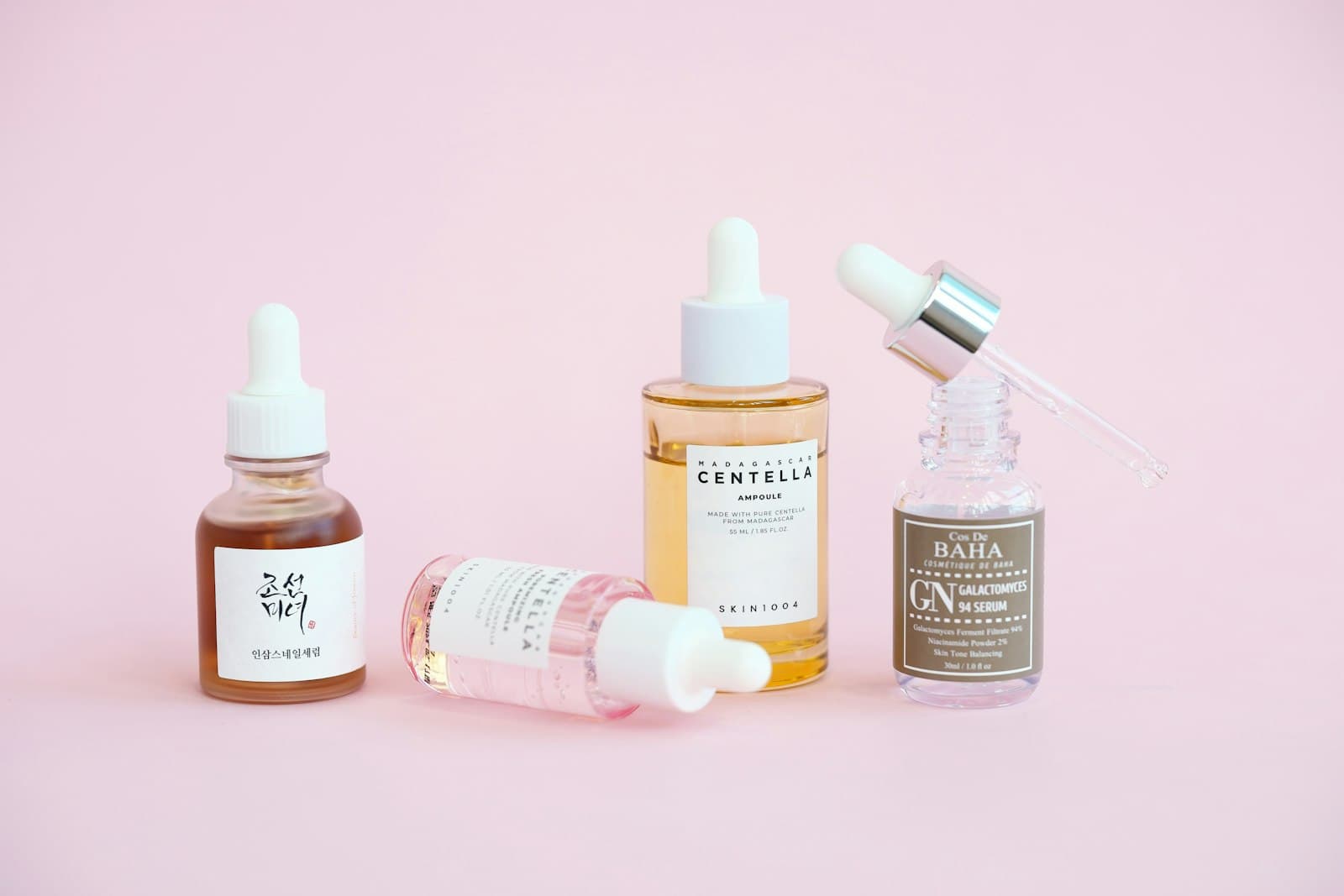
Serum or ampoule
Choose one targeted serum: hyaluronic acid for hydration, niacinamide for tone and oil balance, or a soothing serum for redness.
Moisturizer
Lock in the layers with a moisturizer suited to your skin type, a light gel for oily skin or a richer cream for dry skin.
Sunscreen (morning)
Finish every morning with broad-spectrum SPF 30 or higher. Sun damage causes uneven tone and texture, the opposite of glass skin.
Add a gentle chemical exfoliant one to three times a week, on nights when you skip other strong actives. Hyaluronic acid is a staple here, and our hyaluronic acid guide explains how to use it so it hydrates rather than dries.
A simplified glass skin routine
You don't need seven steps. What matters is consistent hydration and sun protection. This shorter version covers the essentials:
| Step | Morning | Evening |
|---|---|---|
| Cleanse | Water rinse or gentle cleanser | Double cleanse if wearing SPF or makeup |
| Hydrate | Hydrating toner or essence | Hydrating toner or essence |
| Treat | Optional niacinamide or vitamin C serum | Hydrating serum, or exfoliant 1 to 3 nights a week |
| Moisturize | Lightweight moisturizer | Moisturizer suited to your skin type |
| Protect | Broad-spectrum sunscreen | Not needed |
If you only have time for three steps, choose a gentle cleanser, a hydrating moisturizer and sunscreen. Then add a toner or essence when you can. Staying consistent with a short routine will do more for your skin than doing a long one only now and then.
How to adapt glass skin to your skin type
- Oily skin: choose gel textures and fewer layers. Oil isn't the same as glow, and heavy layering can cause congestion.
- Dry skin: richer essences and creams work well. A thin occlusive on dry nights can help.
- Sensitive skin: keep layers fragrance-free and introduce one product at a time.
- Acne-prone skin: prioritize non-comedogenic textures and don't skip your acne treatment for extra layers.

Finding the products from glass skin videos
Glass skin routines on TikTok and Instagram can feature a long lineup of toners, essences and ampoules, often with labels in Korean. Instead of pausing on every bottle, paste the video link into SaveAI to see each product in the routine and how and when to apply it. Then trim the list to the steps that fit your skin.
It also helps to notice what's not a skincare product. Many glass skin clips finish with a dewy primer, a liquid highlighter or a facial mist for camera shine. Those can be fun to use, but they sit on top of the skin for the day. The lasting glow comes from the hydration and sun protection underneath.
Frequently asked questions
How long does it take to get glass skin?
Hydration improves quickly, sometimes within days, but texture and tone changes take longer. Give a consistent routine at least 4 to 8 weeks.
Can oily skin get glass skin?
Yes. Use lightweight gel textures, fewer layers and a balancing ingredient like niacinamide, so the glow comes from hydration rather than oil.
What is the difference between a toner and an essence?
Toners are usually the most watery step and prep the skin. Essences are slightly more concentrated and focus on hydration, though the line between them varies by product.
Do I need Korean products to get glass skin?
No. The results come from the approach, gentle cleansing, layered hydration and sunscreen, not from where a product is made.
This guide is for general information only and isn't medical advice. If you have a skin condition or a reaction to a product, talk to a dermatologist.
More guides in TikTok & Trends