Knowing how to choose a moisturizer for your skin type makes the difference between skin that feels comfortable all day and skin that's greasy, tight or broken out. Moisturizers vary hugely in texture and ingredients, and the one that's viral this month may be completely wrong for you. This guide breaks down what moisturizers actually do, how textures differ and exactly what to look for based on your skin.
Key takeaways
- Moisturizers combine humectants (draw in water), emollients (soften) and occlusives (seal moisture in).
- Oily skin usually does best with gels or light lotions; dry skin with creams or balms.
- Sensitive skin benefits from short, fragrance-free ingredient lists.
- Give a new moisturizer a few weeks, and patch test it first if your skin is reactive.
In this guide
- 01What does a moisturizer actually do?
- 02Gel vs. lotion vs. cream vs. balm: which texture should you choose?
- 03How to choose a moisturizer for your skin type
- 04Which moisturizer ingredients should you look for or avoid?
- 05How to test and switch to a new moisturizer
- 06Should you buy the moisturizer you saw on TikTok?
- 07Frequently asked questions
What does a moisturizer actually do?
A moisturizer helps your skin hold on to water and supports your skin barrier, the outer layer that keeps hydration in and irritants out. Every skin type benefits from one, including oily skin.
Most moisturizers do this with a mix of three types of ingredients. Understanding them is the key to reading labels and picking the right formula.
| Ingredient type | What it does | Common examples |
|---|---|---|
| Humectants | Attract water into the outer layer of skin | Glycerin, hyaluronic acid, urea, panthenol, propanediol |
| Emollients | Fill gaps between skin cells so skin feels soft and smooth | Squalane, ceramides, fatty alcohols, plant oils, shea butter |
| Occlusives | Form a protective layer that slows water loss | Petrolatum, dimethicone, lanolin, beeswax, mineral oil |
Lightweight moisturizers lean on humectants with a little emollient. Rich creams and balms contain more emollients and occlusives. For a deeper look at one popular humectant, see our hyaluronic acid guide.
Gel vs. lotion vs. cream vs. balm: which texture should you choose?
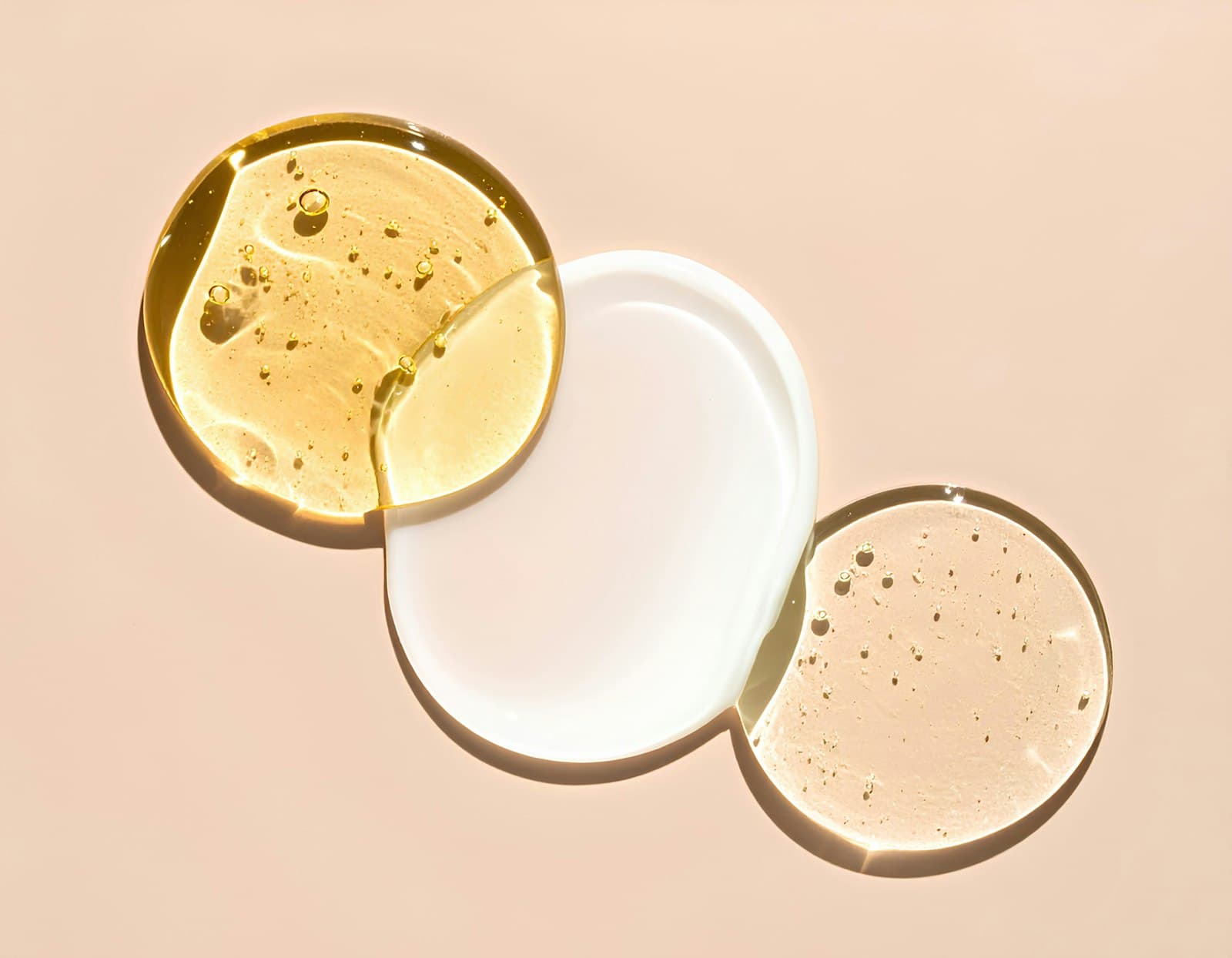
Texture is the quickest shortcut to the right moisturizer. Labels like “gel-cream” or “water cream” usually sit between a gel and a cream, which makes them a handy middle ground for combination skin. In general, the oilier your skin, the lighter the texture you'll want.
- Gel: water-based, light and quick-absorbing. Great for oily, acne-prone skin and humid weather.
- Lotion: thin and fluid with a bit more emollient than a gel. Good for normal and combination skin.
- Cream: thicker and more nourishing. Suits normal-to-dry skin and colder months.
- Balm or ointment: very rich and occlusive, with little or no water. Best for very dry patches, flaky areas or overnight use.
How to choose a moisturizer for your skin type
Start by confirming your type with our skin type test, then use this as a guide.
| Skin type | Best textures | Look for | Go easy on |
|---|---|---|---|
| Oily | Gel, gel-cream, light lotion | Oil-free or non-comedogenic labels, glycerin, hyaluronic acid, niacinamide | Heavy butters and thick occlusive creams on the face |
| Dry | Cream, rich cream, balm | Ceramides, shea butter, squalane, petrolatum, urea | Very light gels that don't hold moisture long enough |
| Combination | Lotion or gel-cream; richer cream on dry areas only | Balanced formulas with humectants and light emollients | One heavy cream over the whole face |
| Normal | Lotion or light cream | Humectants, ceramides, antioxidants | Very heavy or very stripping formulas |
| Sensitive | Simple lotion or cream | Fragrance-free, short ingredient lists, ceramides, panthenol, oat, centella | Fragrance, essential oils, high alcohol content, many actives in one product |
| Acne-prone | Gel or light lotion | Non-comedogenic labels, niacinamide, glycerin | Rich oils and butters that feel heavy on your skin |
Remember that dehydration and skin type aren't the same thing. Oily skin can still feel tight and dehydrated, especially if you use drying acne treatments. In that case, look for a lightweight formula that's rich in humectants like glycerin rather than reaching for a heavy cream. Climate matters too: the same skin may need a richer moisturizer in a dry, cold winter than in a humid summer.
Building a full routine around your moisturizer? See our guides for oily skin and dry skin.
Which moisturizer ingredients should you look for or avoid?
Ingredients are listed roughly in order of concentration, so the first five or so make up most of the formula. Terms like “non-comedogenic” and “hypoallergenic” aren't strictly regulated, so treat them as helpful hints rather than guarantees.
The best ingredients depend on your skin, but a few are widely helpful, and a few are common troublemakers for sensitive or irritated skin.
Worth looking for
- Glycerin: one of the most reliable, well-tolerated humectants.
- Ceramides: help replenish the skin barrier.
- Niacinamide: can help with oil, redness and barrier support.
- Squalane: a light, non-greasy emollient.
- Panthenol and allantoin: soothing and hydrating.
- Petrolatum or dimethicone: seal in moisture for dry skin.
Use with caution
- Added fragrance and essential oils, especially for sensitive skin.
- High amounts of drying alcohol near the top of the list.
- Strong actives like acids or retinoids if you already use them elsewhere.
- Heavy oils and butters if you're acne-prone and they feel congesting.
How to test and switch to a new moisturizer
Patch test first
Apply a small amount behind your ear or on your jawline for several days. Our patch testing guide walks through it.
Change one product at a time
If you swap several products at once, you won't know which one is helping or causing problems.
Apply to slightly damp skin
Moisturizer applied after cleansing or serums, while skin is still a little damp, helps lock in hydration.
Give it a few weeks
Unless it irritates you, use it consistently for two to four weeks to judge how your skin responds across a full cycle.
Adjust with the seasons
Many people need a lighter formula in summer and a richer cream in winter, or a richer cream only at night.
Frequently asked questions
How do I know if my moisturizer is right for my skin?
Your skin should feel comfortable, not tight or greasy, a few hours after applying it, with no new irritation or breakouts after a few weeks. If you feel dry by midday, try something richer; if you look shiny or congested, go lighter.
Should I use a different moisturizer at night?
You don't have to, but many people like a slightly richer cream at night, when there's no makeup or sunscreen to layer on top. Dry skin often benefits most from this.
Can I use a moisturizer with SPF instead of sunscreen?
You can if it offers broad-spectrum SPF 30 or higher and you apply enough of it, which most people don't with moisturizer. Many dermatologists recommend a dedicated sunscreen for reliable protection.
Is a gel moisturizer enough for dry skin?
Usually not on its own. Gels are mostly humectants with little emollient or occlusive content, so dry skin often needs a cream, or a gel layered under a richer product.
This guide is for general information only and isn't medical advice. If you have a skin condition or a reaction to a product, talk to a dermatologist.
More guides in Skincare Basics