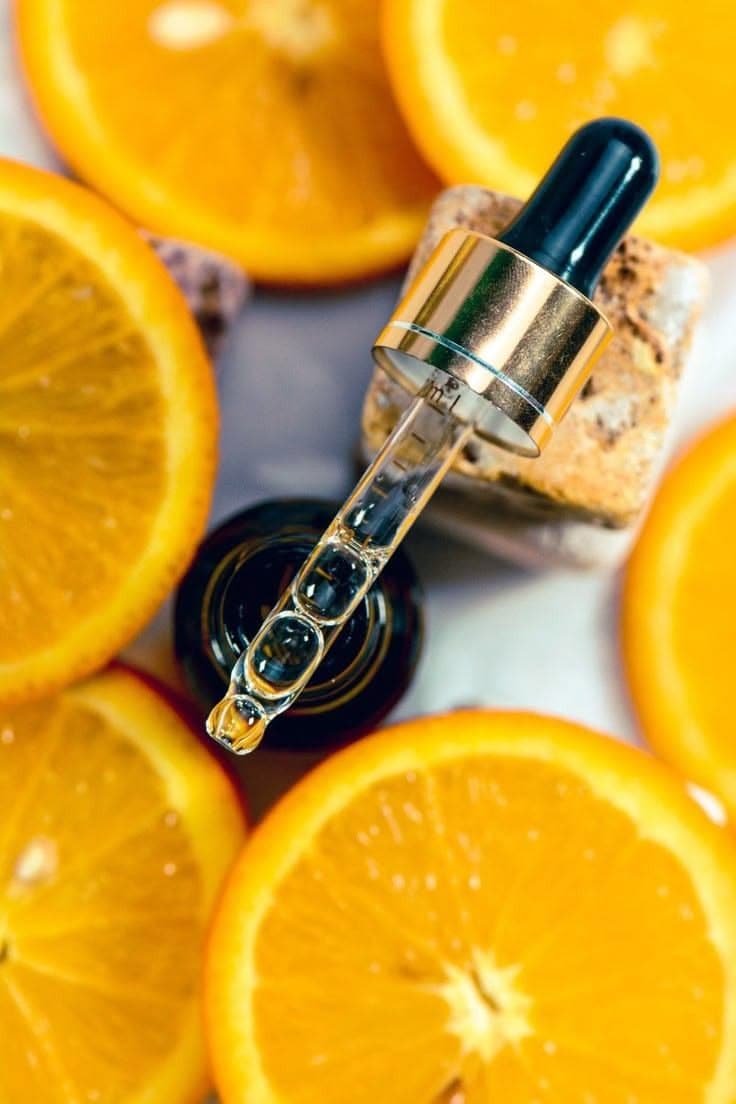
Vitamin C serums can be pricey, so DIY recipes are everywhere in skincare videos. You can make a basic one at home, but vitamin C is one of the hardest ingredients to keep stable: it breaks down quickly in water, light and air. A homemade serum is a short-lived, small-batch product, not a bottle that sits on your shelf for months. Here's a safer way to make it, how to tell when it's gone off and when buying one makes more sense.
Key takeaways
- Use pure L-ascorbic acid powder, not orange or lemon juice. Juice has very little vitamin C and lots of acid and sugar.
- Mix small batches, keep them in a dark bottle in the fridge and use them within about 4 days.
- Throw it out when it turns yellow or brown. Oxidized vitamin C doesn't help your skin.
- Patch test first. Homemade vitamin C is very acidic and can sting or irritate.
In this guide
Does homemade vitamin C serum work?
It can. L-ascorbic acid, the form of vitamin C in most DIY recipes, is the same well-researched form used in many store-bought serums. It's an antioxidant that helps protect skin from daily damage and, used consistently, can help brighten dull skin and fade dark spots.
Why people make it
- Very cheap per batch
- Fresh, with no fillers or fragrance
- Easy to adjust the strength
What to watch out for
- Oxidizes within days in water
- Very low pH, so it can sting or irritate
- No preservative, so bacteria can grow
- Hard to measure exactly at home
Store-bought serums use stabilizing ingredients like vitamin E and ferulic acid, airless packaging and tested pH levels. Our vitamin C serum guide explains what to look for if you'd rather buy one.
A simple DIY vitamin C serum recipe
| Ingredient | Amount | Why |
|---|---|---|
| L-ascorbic acid powder (cosmetic or food grade) | ¼ tsp | The active vitamin C |
| Distilled or boiled and cooled water | 1 tbsp | Dissolves the powder |
| Vegetable glycerin (optional) | ½ tsp | Adds a hydrating, serum-like feel |
This makes a gentle starting strength, roughly 5 to 8%. Kitchen measuring spoons aren't precise, so don't add more powder thinking stronger is better. Higher strengths irritate more without much extra benefit.
Clean everything
Wash a small dark glass dropper bottle, a spoon and a small bowl with hot soapy water, then let them dry fully.
Dissolve the powder
Stir ¼ teaspoon of L-ascorbic acid powder into 1 tablespoon of distilled water until the liquid is completely clear, with no grains left.
Add glycerin if you like
Stir in ½ teaspoon of glycerin for a slightly thicker, more hydrating texture.
Bottle and label it
Pour it into the dark bottle and write the date on it.
Store it in the fridge
Keep it cold and away from light. Use it within about 4 days.
Creator @aicreation_8 included a DIY vitamin C step in a Korean-inspired routine. You can see the homemade vitamin C serum on SaveAI.
How to use it
- Cleanse and pat your face dry.
- Apply 3 to 4 drops with clean fingers, avoiding the eyes and lips.
- Let it absorb for a minute. A mild tingle is normal, burning is not.
- Follow with moisturizer.
- In the morning, finish with sunscreen of at least SPF 30.
Start every other day and build up to daily use if your skin is comfortable. Mornings are a good time because vitamin C works well under sunscreen. Keep it on a different night from retinol or exfoliating acids, see our list of ingredients you shouldn't mix.
How to tell it has gone off
| What you see | What it means | What to do |
|---|---|---|
| Clear | Fresh | Use it |
| Pale yellow | Starting to oxidize | Use it up today |
| Dark yellow, orange or brown | Oxidized | Throw it out |
| Cloudy, bits floating or a strange smell | Possible contamination | Throw it out |
Who should skip DIY vitamin C
- Anyone with very sensitive skin, rosacea or eczema.
- Skin that's irritated, sunburned or recently treated with a peel or retinoid.
- Anyone who reacted to vitamin C products before.
If that's you, a gentler vitamin C derivative in a store-bought serum is a better fit. Whatever you choose, patch test it first.
Frequently asked questions
How long does homemade vitamin C serum last?
About 3 to 4 days in the fridge in a dark, closed bottle. Throw it out sooner if it turns yellow or brown.
Can I make vitamin C serum with lemon juice?
It's not a good idea. Lemon juice has little vitamin C, is very acidic and can cause irritation and dark patches when skin is in the sun.
Why does my homemade vitamin C serum sting?
Pure L-ascorbic acid in water has a very low pH. Mild tingling is common, but if it burns or your skin turns red, rinse it off and use a weaker mix or a store-bought serum.
Can I use crushed vitamin C tablets?
No. Tablets contain fillers and binders. Use pure L-ascorbic acid powder sold for cosmetic or food use.
Should I use vitamin C in the morning or at night?
Morning is popular because vitamin C's antioxidant effect pairs well with sunscreen, but either time works.
This guide is for general information only and isn't medical advice. If you have a skin condition or a reaction to a product, talk to a dermatologist.
More guides in Ingredients