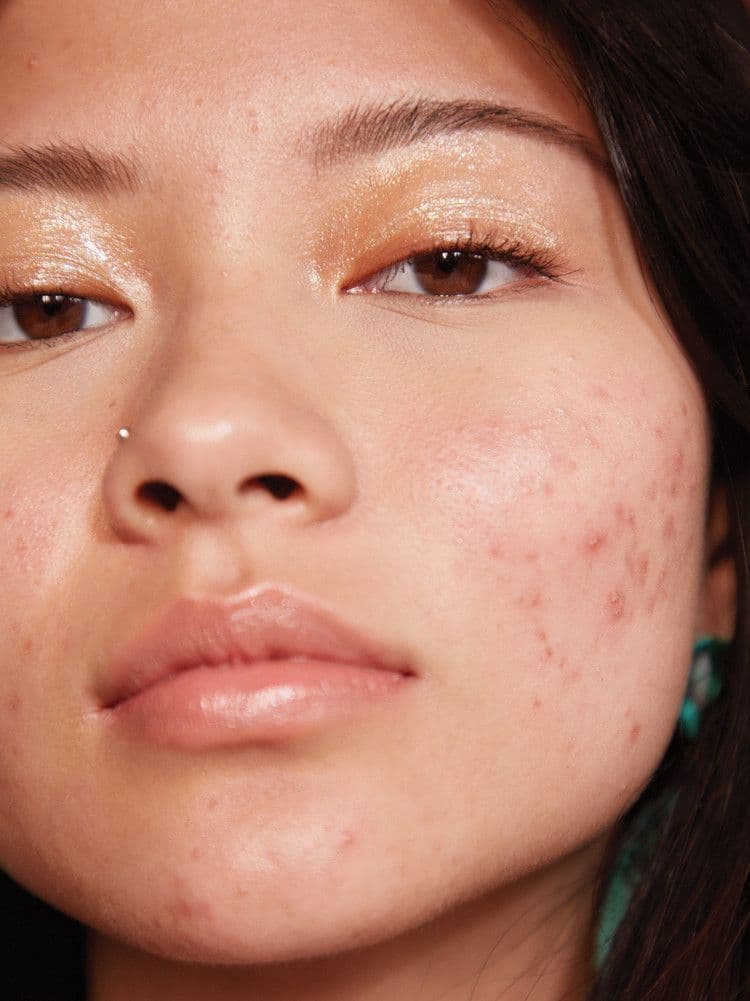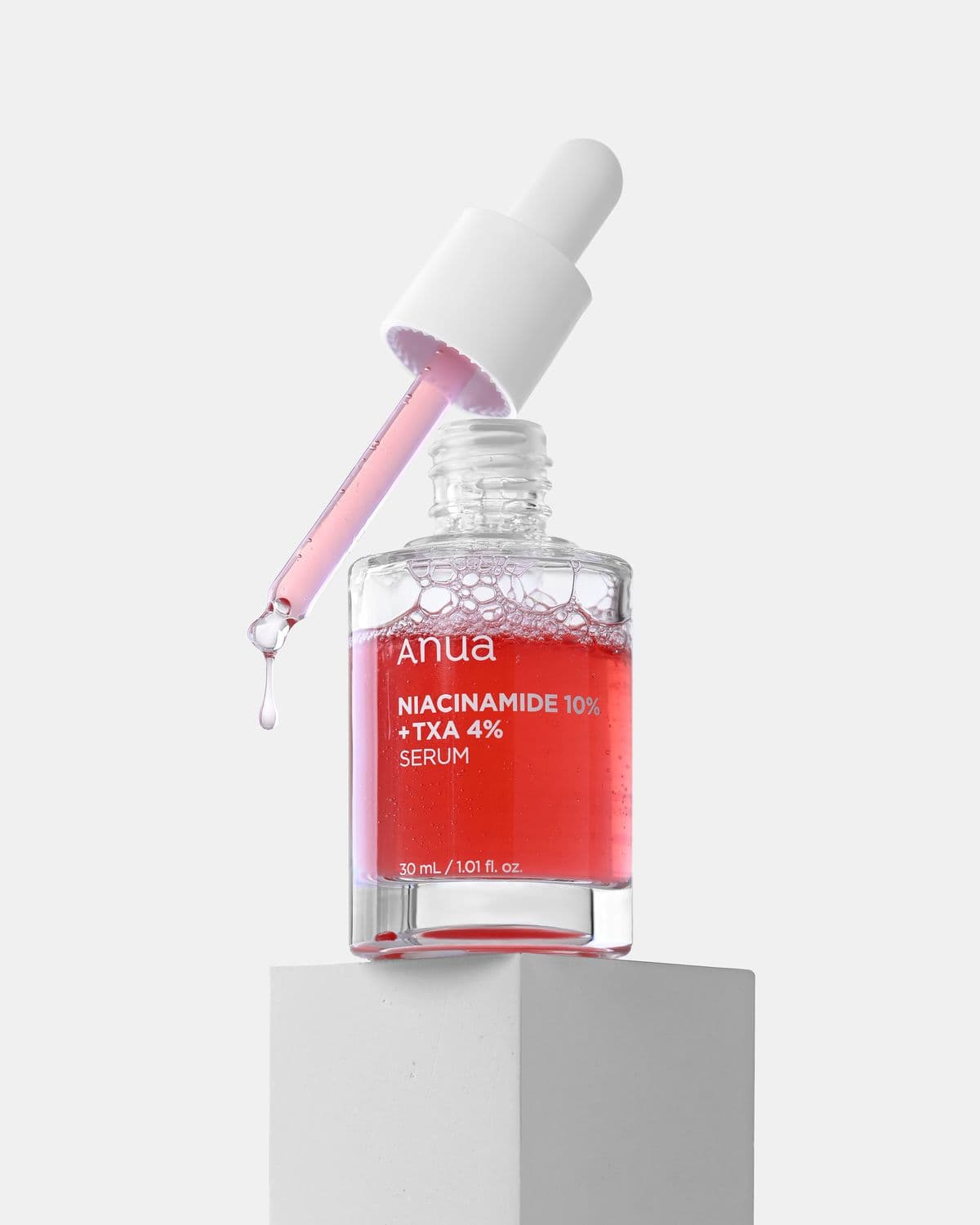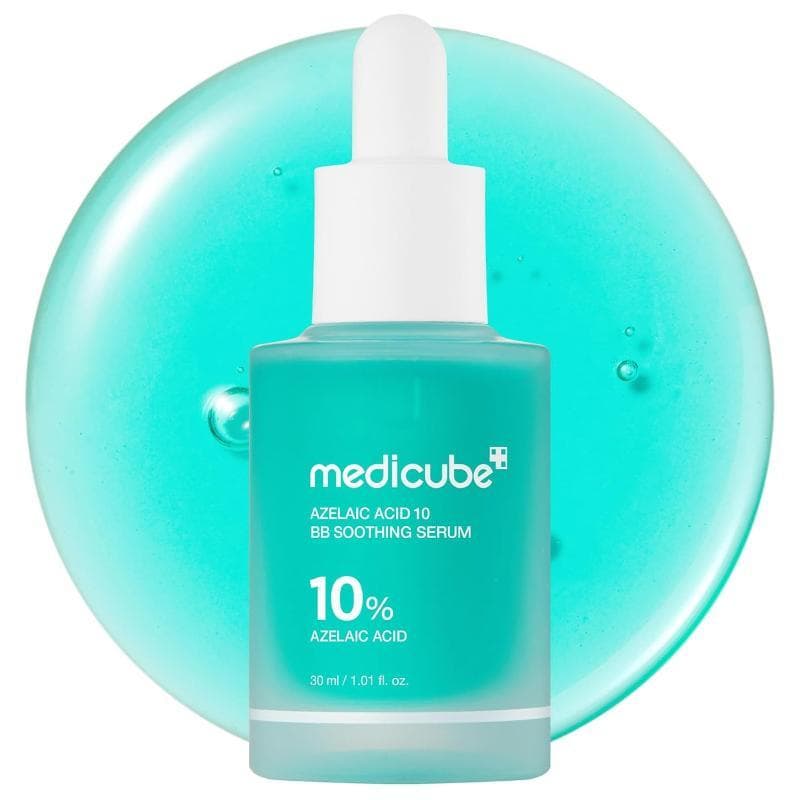
Azelaic acid is one of the most useful ingredients most people haven't tried. It calms redness, helps with breakouts and fades post-acne marks, and it's gentler than many other actives. Dermatologists prescribe it at higher strengths, and over-the-counter serums with around 10% have made it a K-beauty favorite. Here's what it does, how to use it and what to expect.
Key takeaways
- Azelaic acid helps with three common issues at once: redness, breakouts and dark marks.
- Over-the-counter products usually contain up to 10%. Higher strengths are prescription only.
- Use it once or twice a day on clean skin, before moisturizer. A short tingle at first is common.
- It's generally gentle and pairs well with niacinamide, but give it 8 to 12 weeks to show results.
In this guide
What azelaic acid does
| Skin concern | How azelaic acid helps |
|---|---|
| Breakouts | Reduces acne-causing bacteria and helps keep pores from clogging |
| Redness | Has anti-inflammatory effects, which is why it's used for rosacea |
| Dark spots and post-acne marks | Slows down excess pigment production for a more even tone |
| Texture | Gives a mild smoothing effect without being a strong exfoliant |
It's a good choice if your skin finds stronger exfoliants too much. For other ways to treat marks, see how to fade dark spots.
How to use azelaic acid
Cleanse and dry
Apply it on clean, dry skin. Damp skin can make the tingle stronger.
Apply a pea-sized amount
Spread a thin layer over the whole face, or just where you have redness or breakouts.
Start once a day
Use it once daily, or every other day if your skin is sensitive, for the first 2 weeks.
Follow with moisturizer
A simple moisturizer keeps skin comfortable.
Add sunscreen in the morning
Daily SPF is key, since sun makes redness and dark marks worse.
Creators on SaveAI often use the Anua Azelaic Acid 10 Hyaluron serum, including @itsbabykelz in an affordable skincare routine. @layallure uses Paula's Choice 10% Azelaic Acid Booster at night.
What to pair it with
Works well with
- Niacinamide, for redness and oil
- Hyaluronic acid and other hydrators
- Vitamin C, for dark spots
- Sunscreen, every morning
Go slowly with
- Retinoids: use on alternate nights at first
- AHA and BHA exfoliants on the same night
- Benzoyl peroxide, if your skin gets dry
- Several new actives started at once
More on combinations in our ingredients you shouldn't mix guide.
What to expect
| Timeline | What you might notice |
|---|---|
| First 1–2 weeks | Tingling, itching or slight flaking that usually fades |
| 4–6 weeks | Calmer-looking redness and fewer new breakouts |
| 8–12 weeks | Visibly lighter post-acne marks and more even tone |
Frequently asked questions
Can I use azelaic acid every day?
Yes. It's usually used once or twice a day once your skin is used to it.
Should I use azelaic acid in the morning or at night?
Either works. Many people use it in the morning under sunscreen, or at night if they also use vitamin C in the morning.
Can I use azelaic acid with retinol?
Yes, but start by using them on alternate nights. Once your skin is used to both, some people use them together.
Is azelaic acid an exfoliant?
It has a mild exfoliating effect, but it's much gentler than glycolic or salicylic acid.
Does azelaic acid help with rosacea?
Prescription azelaic acid is a common rosacea treatment. Over-the-counter products may help with mild redness, but see a dermatologist for diagnosed rosacea.
This guide is for general information only and isn't medical advice. If you have a skin condition or a reaction to a product, talk to a dermatologist.
More guides in Ingredients