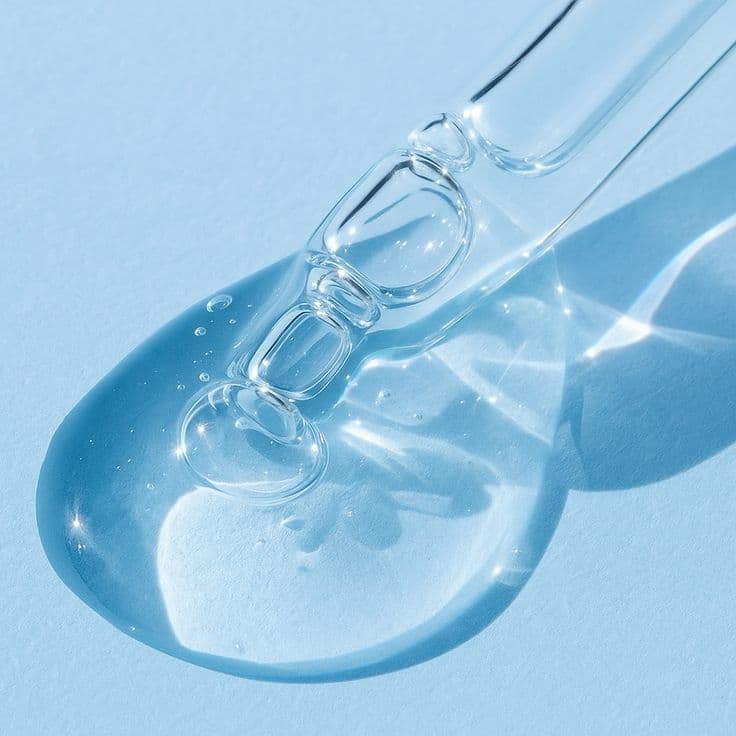
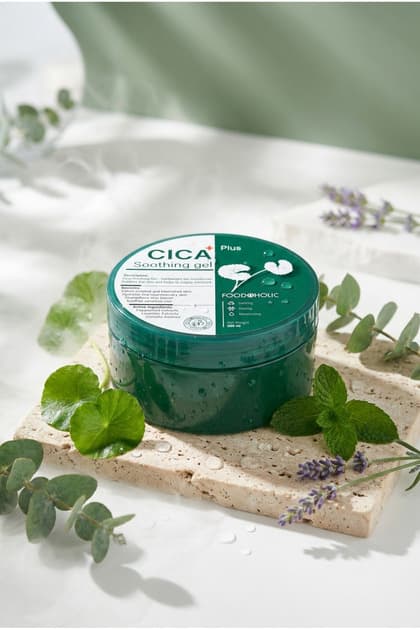
Snail mucin is one of K-beauty's most famous ingredients, the clear, stretchy essence behind countless glass skin routines. On ingredient lists it's called snail secretion filtrate. It sounds strange, but it's a gentle, hydrating ingredient that suits most skin types. Here's what it really does, where it fits in your routine and how to use it without it feeling sticky.
Key takeaways
- Snail mucin is mainly a hydrating and soothing ingredient. It helps skin feel plump, soft and comfortable.
- It goes after cleansing and toner, before thicker serums and moisturizer.
- Use 1 to 2 pumps on slightly damp skin and pat it in to avoid stickiness.
- Skip it or patch test first if you've reacted to snails, shellfish or dust mites.
In this guide
What is snail mucin?
It's the filtered slime snails produce to protect their skin. For cosmetics, brands collect it from farmed snails and purify it. It contains naturally occurring hydrating sugars, glycoproteins, allantoin and small amounts of glycolic acid.
| Benefit | What it means for your skin |
|---|---|
| Hydration | Draws water into the skin and helps it stay plump |
| Soothing | Allantoin and other components can help calm tight, irritated-feeling skin |
| Barrier support | Helps skin feel more comfortable when it's dry or over-exfoliated |
| Glow | Well-hydrated skin reflects light, the "glass skin" look |
Claims about scars and wrinkles are much less proven, so treat it as a hydrator, not a treatment.
How to use snail mucin
Cleanse and tone
Start with clean skin. If you use a hydrating toner, apply it first.
Use 1 to 2 pumps
More isn't better, it just gets sticky.
Apply on slightly damp skin
Spread it over the face while skin is still a little damp from toner, which helps it spread and absorb.
Pat, don't rub
Pat until the stickiness fades. It takes about a minute.
Seal with moisturizer
Follow with your serum or moisturizer, then sunscreen in the morning.
It fits the essence step in our skincare routine order and is a classic part of a Korean glass skin routine.
What to use it with
Snail mucin is very easy to combine. It works morning and night and layers well with almost everything, including retinol, vitamin C, niacinamide and acids. It's a nice buffer on nights you use a stronger active, since it helps skin feel more comfortable.
For deeper hydration, pair it with hyaluronic acid. If your skin feels tight or irritated, see our guide to skin barrier repair.
Who should avoid it, and vegan alternatives
If you're vegan or prefer to avoid animal ingredients, plant-based "mucin" products use ingredients like plant polysaccharides to copy the bouncy, hydrating texture. @itsbabykelz uses Byoma Phyto-Mucin Glow Serum in an affordable routine.
Frequently asked questions
Does snail mucin help with acne?
It isn't an acne treatment, but its hydrating and soothing feel can make acne-prone skin more comfortable, especially alongside drying treatments.
Can I use snail mucin every day?
Yes, morning and night. It's one of the gentlest ingredients you can use.
Is snail mucin good for oily skin?
Yes. It's lightweight and water-based, so it hydrates without heaviness.
Do I use snail mucin before or after moisturizer?
Before. It's a thin essence, so it goes on after toner and before creams.
Are snails harmed to make snail mucin?
Many brands say they collect mucin without harming snails, but practices vary. Check the brand's own information if this matters to you.
This guide is for general information only and isn't medical advice. If you have a skin condition or a reaction to a product, talk to a dermatologist.
More guides in Ingredients