Slugging skincare is the habit of finishing your nighttime routine with a thin layer of petrolatum, leaving your face glossy like a slug's trail. It sounds odd, but it's built on a well-established principle: occlusives slow down water loss from the skin. It can be a game changer for dry, flaky skin, and a poor match for some others. Here's how to decide whether slugging is right for you and how to do it without trouble.
Key takeaways
- Slugging means applying a thin occlusive layer, usually petrolatum, as the very last step at night.
- It helps most with dry, dehydrated or irritated skin and a weakened barrier.
- Acne-prone and very oily skin should be cautious or try spot-slugging instead.
- Slugging over retinoids or acids can intensify them, so don't combine them without care.
In this guide
What is slugging in skincare?
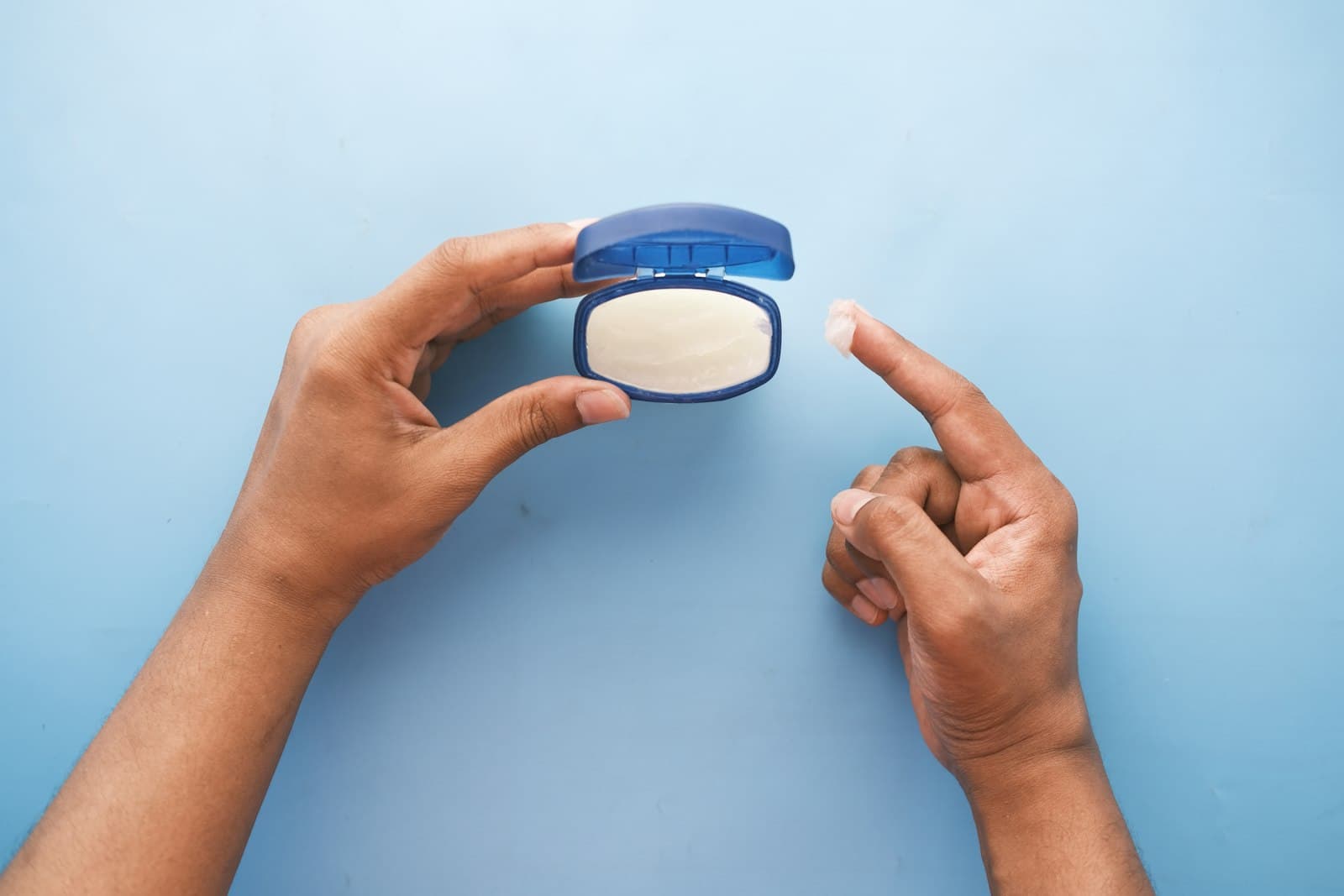
Slugging is coating your face with a thin layer of an occlusive, most often plain petrolatum (petroleum jelly), as the final step of your evening routine. The layer sits on top of the skin and acts like a seal.
Your skin is constantly losing water to the air, a process called transepidermal water loss. Occlusives slow it down. Petrolatum is one of the most effective occlusives available, it's inexpensive, and it's rarely irritating because it has no fragrance or active ingredients. That's why it's long been used for chapped lips, cracked hands and healing skin.
The result, for the right skin type, is softer, more comfortable skin in the morning, with less tightness and flaking. Slugging doesn't treat acne, dark spots or wrinkles. Think of it as a way to protect and support the hydration you already put on.
Who should try slugging, and who should skip it?
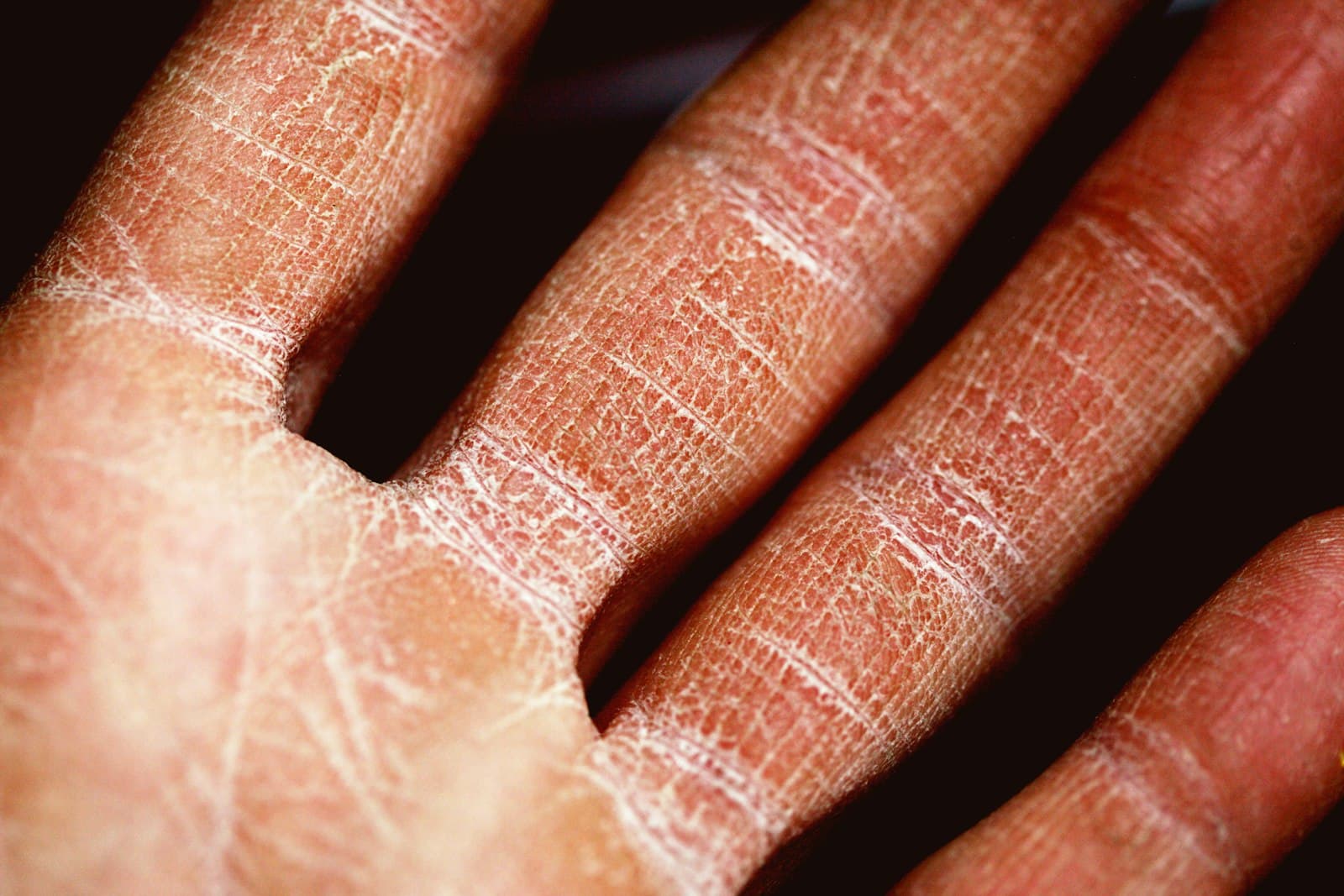
Slugging suits skin that's dry, tight or recovering from irritation. It's less suited to skin that's already oily or breakout-prone.
Likely to benefit
- Dry or very dry skin
- Dehydrated skin that feels tight after cleansing
- A damaged barrier from over-exfoliating
- Skin in cold, dry climates or heated rooms
- Mature skin that has become drier over time
Be cautious or skip
- Acne-prone skin and frequent breakouts
- Very oily skin
- Skin prone to milia or clogged pores
- Active infections or open wounds that a doctor hasn't cleared
- Hot, humid weather when skin already feels heavy
Petrolatum itself isn't generally considered pore-clogging, but sealing a thick layer over everything else in your routine can trap sweat, oil and other ingredients against the skin. For breakout-prone skin, that can be a recipe for congestion. If you're following an acne skincare routine, consider spot-slugging only dry patches like the sides of the nose or around the mouth.
How to slug your face step by step
Slugging takes about a minute and uses only a small amount of product. More is not better.
Cleanse gently
Wash with a mild cleanser and lukewarm water. Pat skin dry, leaving it slightly damp if you like.
Hydrate
Apply a hydrating serum, for example one with glycerin or hyaluronic acid, then your usual moisturizer.
Warm a pea-sized amount
Rub a small amount of petrolatum between your fingertips to soften it.
Press, don't rub
Gently press a thin layer over your face, avoiding the eyes if you're prone to milia. You want a light sheen, not a thick mask.
Protect your pillow
Use a clean pillowcase, or a towel over it, and tie long hair back so it doesn't stick.
Cleanse in the morning
Wash your face, then follow with your normal morning routine and sunscreen.
Start with one or two nights a week and see how your skin responds. If you're unsure which moisturizer to put underneath, our guide to choosing a moisturizer can help.
Pay attention to how your skin looks over the next week or two. Softer, calmer skin is a good sign. Small white bumps, new blackheads, breakouts or a heavy, congested feeling suggest slugging isn't right for you, or that you're using too much. Cut back to fewer nights, use a thinner layer or limit it to the driest areas. Keep the tub clean too: scoop product out with a clean spatula instead of dipping fingers in.
Can you slug over retinol or acids?
It's best not to slug directly over retinoids, exfoliating acids or other strong actives unless a dermatologist has suggested it. Occlusion can increase how much of an ingredient reaches the skin, which can turn a well-tolerated product into an irritating one.
A practical approach is to slug only on your rest nights. If you follow a skin cycling schedule, the two recovery nights are a natural fit for slugging.
What can you use for slugging besides petrolatum?
Plain petrolatum is the classic choice, but there are alternatives with a lighter feel or different ingredients.
| Option | Feel | Things to know |
|---|---|---|
| Plain petrolatum | Thick, glossy | Very effective occlusive, fragrance-free, low irritation risk |
| Healing ointments | Thick, slightly softer | Often petrolatum-based with added ingredients like panthenol or lanolin |
| Balms with plant butters or oils | Rich, less greasy | Some oils can feel heavy on oily skin; fragrance may irritate |
| Silicone-based sleeping masks | Lighter, silky | Less occlusive but more comfortable for some people |
Whatever you choose, look for a fragrance-free option and patch test it first, especially if you have sensitive skin.
Saw a slugging routine on TikTok?
Slugging videos often show a full routine of serums and creams before the final glossy layer, and it's not always clear what's underneath. To see the exact products, paste the video link into SaveAI and get each one with notes on how and when to apply it. Then check whether any of them contain actives you'd rather not seal in.
Keep in mind that a creator's skin type, climate and the rest of their routine may be very different from yours. Slugging that looks great on very dry skin in winter can feel heavy and cause bumps on oily skin in summer. Start slowly, watch your skin and adjust.
Frequently asked questions
Is slugging bad for acne-prone skin?
It can be risky. A heavy occlusive layer may trap oil and products against the skin and contribute to breakouts, so acne-prone skin is better off skipping it or slugging only dry patches.
How often should you slug?
Start with one or two nights a week. People with very dry skin may slug more often if their skin stays clear and comfortable.
Can you slug every night?
Some people with dry skin do, especially in winter. If you notice clogged pores, bumps or milia, cut back.
Does slugging help with wrinkles?
Well-hydrated skin can make fine lines look less noticeable temporarily, but slugging doesn't treat wrinkles. It's a hydration step, not an anti-aging treatment.
This guide is for general information only and isn't medical advice. If you have a skin condition or a reaction to a product, talk to a dermatologist.
More guides in TikTok & Trends