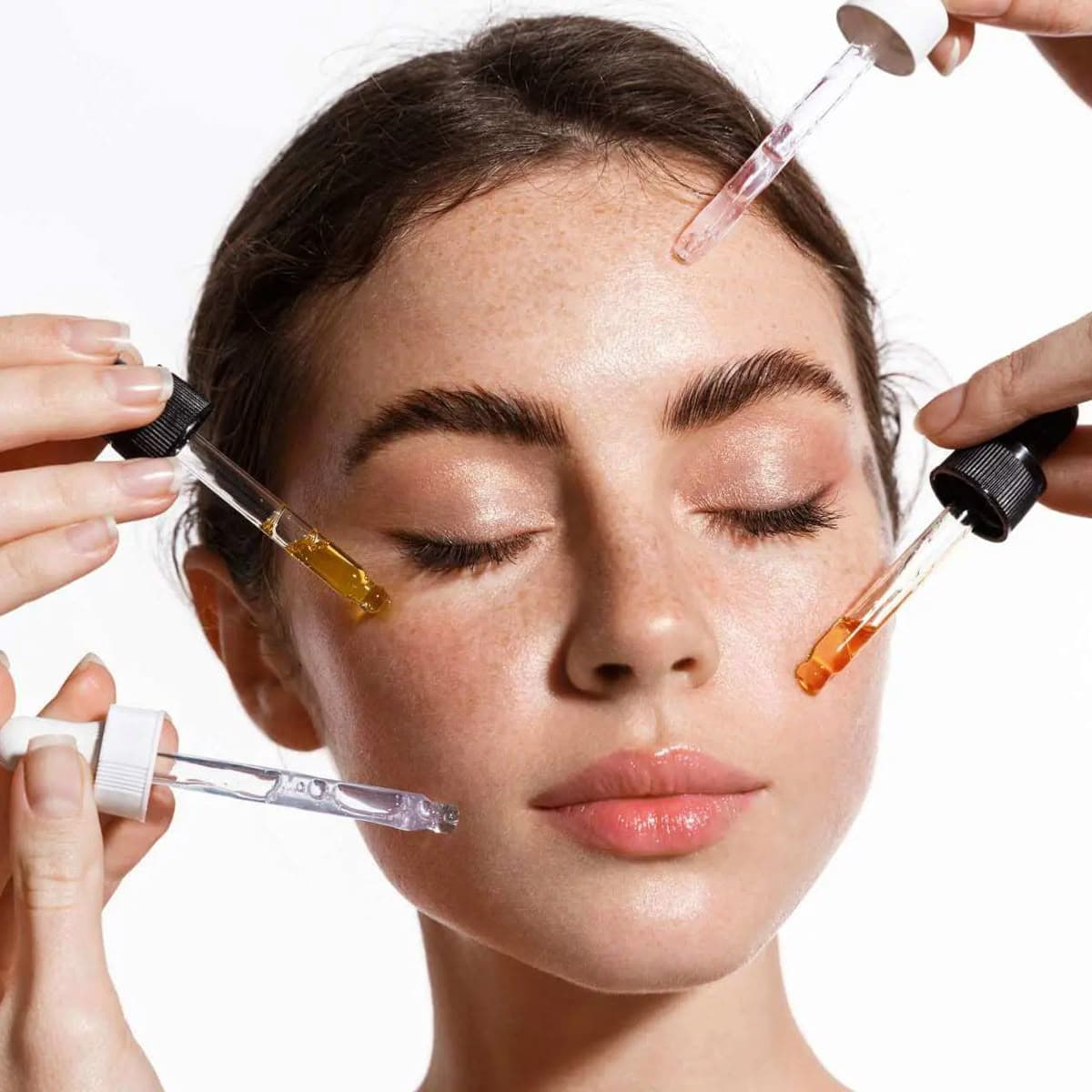
When you build a skincare routine for sensitive skin, less really is more. If your face stings, flushes or breaks out in a rash every time you try something new, the answer is usually fewer products, gentler formulas and a lot more patience. This guide shows you a minimal routine, which ingredients tend to soothe or trigger reactions, and how to add actives without setting your skin off.
Key takeaways
- Keep your routine short: a gentle cleanser, a simple moisturizer and sunscreen.
- Choose fragrance-free products and be cautious with essential oils.
- Introduce one new product at a time, patch testing first.
- Persistent redness, flushing or itchy patches may be rosacea or eczema, so see a dermatologist.
In this guide
What counts as sensitive skin?
Sensitive skin is skin that reacts easily to products or the environment, with stinging, burning, itching, tightness or redness. It isn't a medical diagnosis on its own, but it's very common.
Some people are sensitive by nature, while others have skin that became reactive because of a damaged barrier, often from over-exfoliating or using too many actives. If that sounds familiar, our skin barrier repair guide is a good place to start. Sensitivity can also be a sign of an underlying condition, which we cover below.

What is the best minimal routine for sensitive skin?
A cleanser, a moisturizer and a sunscreen, all fragrance-free, is the safest starting point. Use the same simple products for a few weeks so your skin can settle before you change anything.
Morning: rinse or gentle cleanse
Use lukewarm water or a mild, non-foaming cleanser. Pat dry with a soft towel instead of rubbing.
Morning: simple moisturizer
Pick a fragrance-free cream or lotion with a short ingredient list and barrier-friendly ingredients like ceramides or glycerin.
Morning: sunscreen
Broad-spectrum SPF 30 or higher. Many sensitive skin types tolerate mineral filters (zinc oxide, titanium dioxide) well. See mineral vs. chemical sunscreen to compare.
Night: gentle cleanse
Remove sunscreen with a mild cleanser. If you wear makeup, a fragrance-free micellar water or cleansing balm can come first.
Night: moisturize
Apply your moisturizer again, a little more generously if your skin feels tight.
That's it. Toners, mists, masks and multiple serums can wait until your skin has been calm for a while.
Soothing ingredients and common triggers
Everyone's triggers are different, but some ingredients are more likely to calm skin and others more likely to irritate it.
Often soothing
- Ceramides, to support the skin barrier
- Glycerin and hyaluronic acid, for gentle hydration
- Panthenol (provitamin B5)
- Colloidal oatmeal
- Allantoin and centella asiatica
- Squalane and petrolatum, as simple emollients and occlusives
Common triggers
- Added fragrance and many essential oils
- Drying alcohols high on the ingredient list
- Physical scrubs with rough particles
- High-strength acids and retinoids, especially started too fast
- Menthol, camphor and other “tingly” ingredients
- Strong foaming cleansers
Fragrance-free vs. unscented: why labels matter
These two labels sound similar but aren't the same. “Fragrance-free” generally means no fragrance has been added, while “unscented” can mean masking ingredients were added to cover up the smell of other ingredients.
- Look for “fragrance-free” rather than “unscented.”
- Check the ingredient list for “fragrance” or “parfum,” and for essential oils like lavender, citrus or peppermint.
- Remember that “hypoallergenic” and “dermatologist tested” are not strictly regulated terms, so they don't guarantee a product won't irritate.
How do you introduce actives with sensitive skin?
Slowly, one at a time, and only once your basic routine has kept your skin calm for several weeks. Choose gentler versions when you can, like lower-strength formulas or ingredients known for being better tolerated.
- Patch test the new product for several days first.
- Start with once or twice a week, at night.
- Apply it to fully dry skin, or over a thin layer of moisturizer to buffer it.
- Increase frequency only if your skin stays calm for two weeks or more.
- Never start two actives at the same time, and check which ingredients you shouldn't mix.
If retinol is on your list, our retinol for beginners guide covers gentle ways to start. And if you've found a calming routine in a TikTok or Instagram video, paste the video link into SaveAI to see every product used, so you can check each one for fragrance and other triggers before trying it.
Could it be rosacea or eczema?
Sometimes what feels like sensitive skin is actually a skin condition that needs a proper diagnosis. A dermatologist can tell the difference and recommend treatments that over-the-counter products can't replace.
| Condition | Common signs | What to do |
|---|---|---|
| Rosacea | Frequent flushing, persistent redness on the cheeks and nose, visible blood vessels, sometimes acne-like bumps | See a dermatologist; note triggers like heat, spicy food or alcohol |
| Eczema (atopic dermatitis) | Dry, itchy, rough or scaly patches that may flare and crack | See a dermatologist; keep the routine very gentle and moisturize often |
| Contact dermatitis | Itchy rash or redness where a specific product was applied | Stop the product; a dermatologist can do patch testing to find the cause |

Bring a list or photos of the products you use to your appointment, along with notes on when your skin flares. That information can help a dermatologist spot patterns and triggers much faster. Until then, keep your routine as simple as possible and avoid trying new products while your skin is reactive.
Frequently asked questions
What is the best skincare routine for sensitive skin?
A minimal one: a gentle fragrance-free cleanser, a simple moisturizer and a broad-spectrum sunscreen. Add anything else slowly, one product at a time.
Is mineral sunscreen better for sensitive skin?
Many people with sensitive skin find mineral sunscreens with zinc oxide or titanium dioxide less irritating, but it varies. The best choice is a fragrance-free formula your skin tolerates.
Can sensitive skin use vitamin C or retinol?
Often yes, with care. Choose gentler formulas, start once or twice a week, and stop if you notice burning or lasting redness. A dermatologist can suggest options if your skin reacts to everything.
How do I know if my skin is sensitive or just irritated?
Irritation from a specific product usually clears once you stop it and simplify your routine. If redness, stinging or itching persists even with gentle products, see a dermatologist to rule out conditions like rosacea or eczema.
This guide is for general information only and isn't medical advice. If you have a skin condition or a reaction to a product, talk to a dermatologist.
More guides in Routines