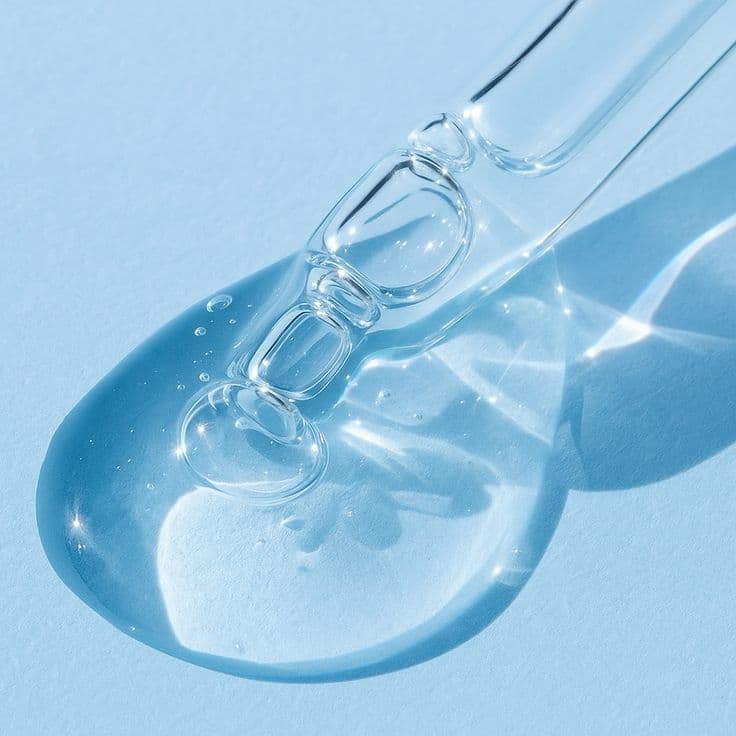
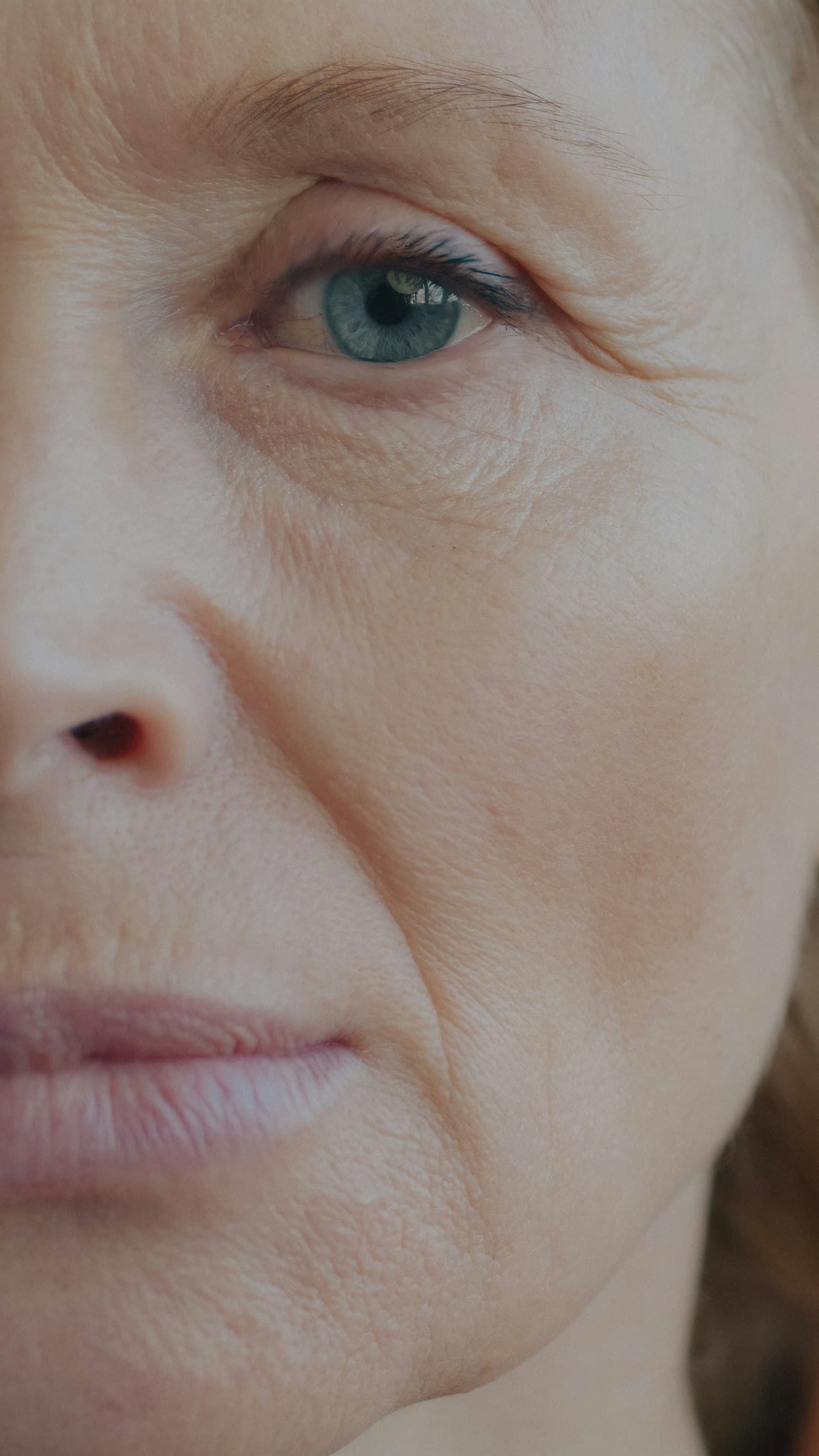
Melting patches are one of the most viral K-beauty formats right now. You place a thin, dry sheet on your face, mist it, and watch it dissolve into a gel. Brands like Anua have made versions with collagen and PDRN, and they sit next to microneedle eye patches, which use tiny dissolving tips instead. Both are easy to use, but they work differently, so here's how to tell them apart and use each one properly.
Key takeaways
- Melting patches are dry films that dissolve when you mist or wet them. Microneedle patches have tiny dissolving tips that sit in the top layer of skin.
- Use both on clean, dry skin, before heavier creams.
- Follow the time on your pack: melting films are usually pressed in within minutes, microneedle patches are often left on for hours or overnight.
- Don't use either on broken skin, active breakouts or right after retinol or acid exfoliation.
In this guide
Melting patches vs microneedle patches
| Melting (dissolving film) patch | Microneedle patch | |
|---|---|---|
| What it looks like | A thin, dry, clear sheet | A small patch with rows of tiny tips on one side |
| How it works | Turns to gel when misted or wetted, then you press it in | Tips, usually made of hyaluronic acid, dissolve into the very top layer of skin |
| Common ingredients | Collagen, PDRN, hyaluronic acid | Hyaluronic acid, peptides, PDRN |
| Typical wear time | A few minutes to melt, then massage in | 2 hours to overnight, depending on the brand |
| Where you use it | Cheeks, forehead, smile lines or full face | Mostly under-eyes and fine lines |
Products differ a lot, so always check the instructions on your box. If your patch says to apply with water or a mist, it's a melting film. If it has a textured side with tips, it's a microneedle patch.
How to use a melting collagen or PDRN patch
Cleanse and dry your skin
Start with a clean face. Leftover oil or makeup stops the film from sticking evenly.
Peel and place the film with dry hands
Wet fingers make the sheet melt early and stick to you instead. Lay it flat on the area you want to treat.
Mist or wet it
Spray a face mist or water over the film, or pat it with damp fingertips. It will start turning glossy and soft within seconds.
Press and massage it in
Once it has turned to gel, gently pat and massage until it's absorbed. Some films leave a slight tacky layer, which is normal.
Finish with moisturizer
Seal everything in with your usual cream. In the morning, add sunscreen.
Creator @seananthonyv tried Anua's Special Collagen Care Melting Patch with the brand's PDRN Hyaluronic Acid Mist, and @laemekiia used Anua's PDRN Collagen Melting Patches in a glass skin routine.
How to use a microneedle eye patch
Start with clean, completely dry skin
Moisture dissolves the tips before they're in place, so skip toner and serum under the patch.
Place the patch tip-side down
Put it on the under-eye area or a fine line, staying below the lash line and away from the eye itself.
Press for 10 to 20 seconds
Use gentle, even pressure so all the tips make contact. A mild prickling is normal, pain is not.
Leave it on for the time on the pack
Many are worn for 2 hours or overnight. Don't move or reposition it once it's on.
Remove and moisturize
Peel it off slowly, then apply a gentle eye cream or moisturizer.
How often to use them
Most brands suggest using melting patches 2 to 3 times a week and microneedle patches about once or twice a week. They're a boost, not a replacement for your everyday hydrating steps. For daily hydration, see our hyaluronic acid guide.
Do
- Store patches in a cool, dry place and reseal the pouch
- Apply melting films with dry fingers
- Follow with moisturizer, and sunscreen in the morning
- Patch test if you have sensitive skin
Don't
- Reuse a patch
- Apply over makeup, broken skin or a breakout
- Use the same night as strong acids or retinol
- Rub or drag a microneedle patch across the skin
Frequently asked questions
Do melting collagen patches actually add collagen to your skin?
Collagen molecules are too large to rebuild collagen in your skin. The patches mainly hydrate and plump the surface, which can make skin look smoother for a while.
What is PDRN in skincare?
PDRN (polydeoxyribonucleotide) is a DNA-derived ingredient, often from salmon, that's popular in Korean skincare for its soothing and skin-supporting claims. In patches, it's used alongside hydrating ingredients.
Can I use a melting patch in the morning?
Yes. Let it absorb fully, then follow with moisturizer and sunscreen. It can also sit under makeup once it has dried down.
Do microneedle patches hurt?
Most people feel a light prickle when pressing them on. If it hurts or burns, remove it and rinse your skin.
Can I sleep with a microneedle eye patch on?
Many are designed to be worn overnight, but check your box. Some brands recommend only a few hours.
This guide is for general information only and isn't medical advice. If you have a skin condition or a reaction to a product, talk to a dermatologist.
More guides in TikTok & Trends